
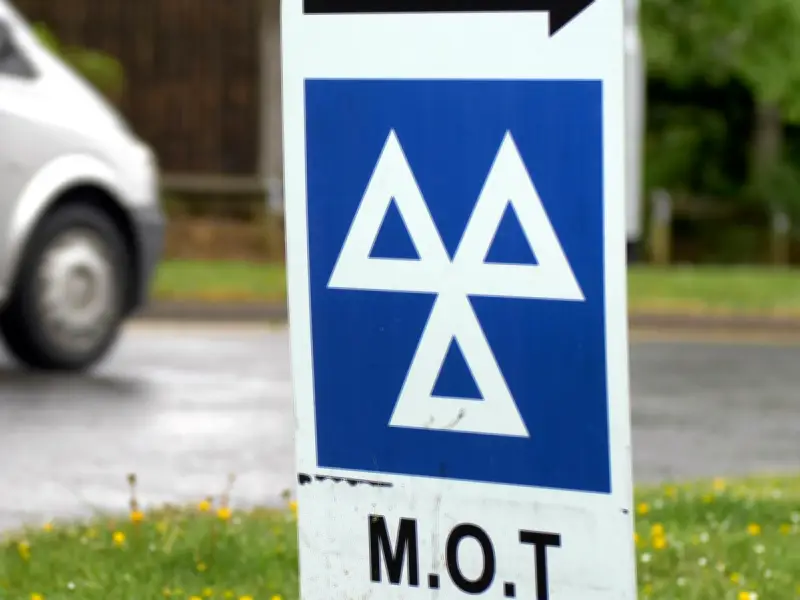
From August 3, 2026, garages across England, Scotland, and Wales will begin taking photos of vehicles during MOT tests as part of a new nationwide crackdown on fraudulent activity. The Driver and Vehicle Standards Agency (DVSA) is rolling out the feature to approximately 2,500 garages initially, with the aim of stamping out 'ghost MOTs' – certificates issued for vehicles that were never physically present at a testing centre.
How the new MOT photo rule works
Garages participating in the trial will use a smartphone, tablet, or other compatible mobile device to capture a photo of the vehicle at the time of the test. The images are uploaded directly to the MOT testing service and are not stored on the device's camera roll. The system automatically deletes the photos after a 12-month retention period, unless they are flagged as evidence for fraud investigations.
Motorists cannot opt out if their chosen garage is part of the trial, and they will not be explicitly notified when a photo is taken. Because the images are part of a government verification system, vehicle owners are not permitted to request copies or have them deleted.
Why is the DVSA introducing this?
The DVSA states that uploading a photo "provides additional evidence that a vehicle was present at the garage at the time of its test." The measure is designed to deter fraudulent MOT activity and reduce the risk of certificates being issued without a vehicle inspection. The agency emphasizes that the photo feature "will support existing MOT processes and does not replace any part of the MOT inspection."
There is no public list of the 2,500 garages involved in the initial rollout. The DVSA has deliberately kept the selected testing stations anonymous to prevent drivers from deliberately dodging or seeking out specific centres.
What is a 'ghost MOT'?
A 'ghost MOT' is a fraudulent pass certificate logged into the official government database for a vehicle that was never physically brought to a garage or inspected. Garages and testers caught doing this face severe punishment, including fines, permanent bans from testing, and criminal prosecution leading to prison time.
The DVSA regularly names and shames convicted garages and banned personnel, which can destroy a business. The practice is dangerous because it can allow vehicles with hidden defects – such as failing brakes, bald tyres, or rusted suspension – to continue being driven on UK roads.




