Final Stage of £1m Moorfields Station Upgrade
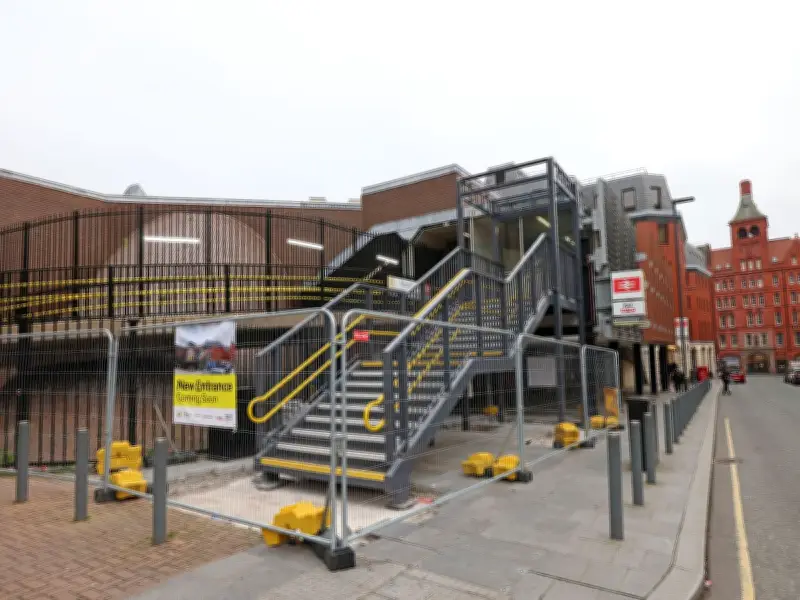
A £1m overhaul to upgrade one of Liverpool’s busiest transport hubs is in its final stages. Moorfields Station, opened in 1977 as a replacement for Liverpool Exchange Railway Station, is nearing completion of a major facelift. The Liverpool City Region Combined Authority (LCRCA) announced last June that it would invest vital cash into giving Moorfields a much-needed makeover. The Liverpool ECHO understands the work is practically complete, with final touches required to mark the end of the project.
New Stairs and Retail Offer
The upgrades include new stairs connecting the upper levels, with passengers eagerly awaiting the opening. Posters in the station advised of closures to the cycle storage area to allow for the new external steps. Works are understood to have progressed well and await the final fittings of glass panes. A planning application was lodged by Merseytravel in the summer of 2025 to introduce a new retail offer at ground floor level.
Tackling Antisocial Behaviour
According to documents made public by the city council, the current state of the station enables “significant levels of antisocial behaviour” around and underneath the existing foyer. The documents said the area under the raised foyer had become a “hostile environment” that attracted crime. The proposals to overhaul the site would omit the “dead space” that encouraged antisocial behaviour and “help to re-instate the station as a destination.”
Design and Accessibility Improvements
In 2015, Owen Ellis Architects were commissioned by Merseyrail to deliver a design making the station appear more appealing. This involved steel cladding, coloured lighting, and composite fins to make the station a focal point. The current upgrades are the first phase of a wider transformation aimed at refreshing the station’s appearance and accessibility. The new covered stair access to the north will improve passenger accessibility and clearly identify the station entrance. Access via existing escalators remains unaltered, while the secure cycle store will use an electronic fob/pass code system open during station operating hours.
Economic and Community Impact
The plans also enhance existing cycle storage and create new retail opportunities, contributing to the local economy. The design and access documents stated: “There is a necessity to reduce antisocial behaviour, and by doing so will improve the overall passenger experience. Furthermore, the proposed improvements seek to re-establish the station as a focal point and destination within the urban cityscape, which the current station facilities fail to do.” Originally constructed as part of Liverpool’s 1960/70s Masterplan for pedestrian network system, the station’s access has been via stepped or ramped entrances. The £1m investment marks a significant step in modernising this key transport hub.