

Middle East Ceasefire Reshapes Air Travel: Fares, Fuel, and Future Flights
The announcement of a ceasefire deal between Iran and the U.S. has triggered significant shifts in the aviation industry, with immediate and long-term impacts on airlines and passengers worldwide. Gulf Air has confirmed the gradual resumption of flight operations from Bahrain, marking a tentative step toward recovery in the region. However, this development comes amid a backdrop of ongoing challenges that threaten to disrupt air travel for months to come.
Jet Fuel Shortages and Rising Costs
A severe shortage of jet fuel is emerging across Europe and Asia, driven by supply chain disruptions and infrastructure damage linked to the recent conflict. This scarcity is expected to lead to persistently higher prices, as airlines grapple with increased operational costs. The ripple effects are already being felt, with airfares predicted to rise considerably on many routes, reflecting both the elevated fuel expenses and existing constraints in aviation capacity.
Gulf Carriers on the Path to Recovery
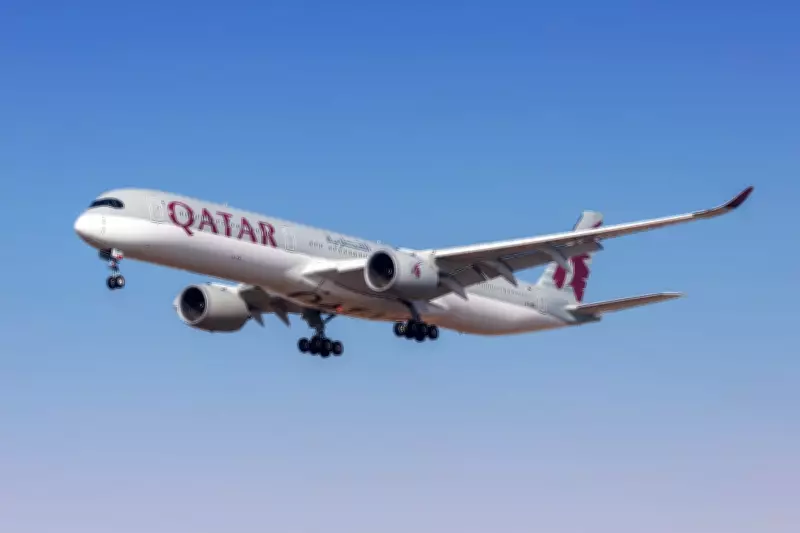
Major Middle East airlines, including Emirates, Etihad Airways, and Qatar Airways, are slowly rebuilding their operations. While this signals a return to normalcy, experts caution that full restoration of services and direct flight paths will require time and careful coordination. The gradual recovery process is being closely monitored by industry analysts, who anticipate a competitive resurgence from these carriers.

Potential Fares War and Travel Opportunities
By early autumn, a potential 'mighty fares war' could erupt as Gulf airlines aggressively strive to regain lost market share. This competition may result in attractive deals for winter travel, including discounted airfares and bundled hotel packages in destinations like the UAE and Qatar. For passengers, this could present unexpected opportunities for affordable getaways, though the overall cost landscape remains volatile due to fuel pressures.
In summary, the ceasefire in the Middle East offers a glimmer of hope for aviation stability, but the road ahead is fraught with challenges. From jet fuel shortages to fluctuating airfares, the industry must navigate a complex recovery phase, with Gulf carriers poised to play a pivotal role in shaping travel trends in the coming months.






