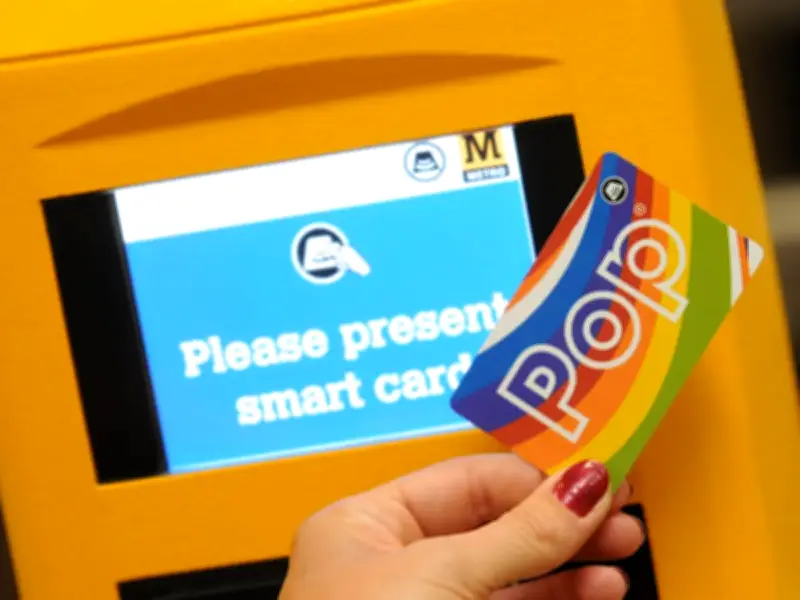
Plans to extend the Tyne and Wear Metro's £2.50 single journey fare cap and cut some bus ticket prices have been approved. North East mayor Kim McGuinness and council leaders agreed the proposals on Tuesday afternoon, which will keep the Metro's £2.50 cap on a single journey for passengers using a Pop pay-as-you-go card until April 2028.
Fare freezes and ticket price cuts
The decision also freezes the £1 single Metro and bus fare, as well as a £3 day ticket, for people aged 21 and under. With the Government having pledged to reduce the national cap on the cost of a single bus journey in England to £2, the North East mayoral authority has also moved to bring down the price of some of the region's priciest tickets.
The cost of the Northumberland and Durham day rover bus tickets, which offer unlimited travel across each county, will be cut from £6 to £5. The Transport North East day saver ticket, for passengers making multiple journeys by bus, Metro and ferry, will fall from £7.50 to £7.
Changes take effect next April
The changes will come into force for the 2027/28 financial year, beginning next April. Ms McGuinness told a cabinet meeting at Newcastle's Biscuit Factory on Tuesday that the price of using public transport was something “we can make a difference on” at a time when households are struggling with the cost of energy bills and petrol.
The Labour mayor added: “Prices are going up, the cost of living is an issue, everybody talks about it, all day every day we hear when we are out on the doorstep talking to people. The fact of the matter is that we don't want to be a part of that.”
She also highlighted testimony from one student at the LMA performing arts academy in Newcastle who said that the £1 young person's fare had made it possible for her to travel into the city from a rural area for her studies.
Political reaction and funding concerns
Colin Ferguson, the Lib Dem leader of Newcastle City Council, said the plan was about “as many people as possible can afford to get on public transport”. Paul Mackings, Reform UK's council leader in South Tyneside, added: “We welcome this plan as it helps provide affordable access to education and employment opportunities across the region.” However, he questioned the financial sustainability of the project given that the Government's pledge to fund the £2 bus fare cap only runs until the end of 2027.
Were the national cap to return to its previous £3 level in 2028, it is estimated that it would cost almost £1.9 million for the mayor's office to put the North East's bus fare cap to its current £2.50 rate for just three months. A mayoral authority report describes the lack of certainty on the national funding as a “significant financial risk”.
Ms McGuinness said she would be “fighting extremely hard” to ensure Andy Burnham maintains the £2 cap beyond the end of next year. Subsidising the public transport fares is expected to cost the mayoral authority £28.7 million in 2027/28, down from £33.5 million in the current financial year.
The Metro fare cap was introduced for the first time this April. While it meant major savings for passengers making longer journeys, others actually saw their ticket prices increase. A full list of revised Metro fares to come into force next year is yet to be published.