M25 Motorway Shutdown Sparks Rush-Hour Chaos Following HGV Fire
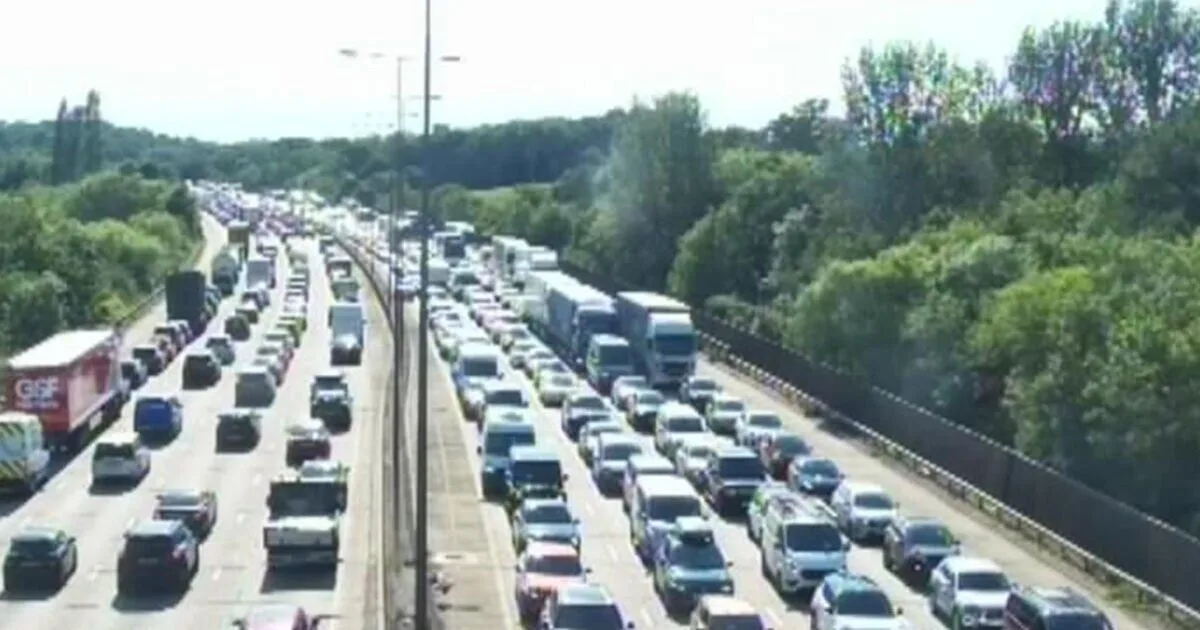
Commuters are facing significant disruption and delays during the morning rush hour as a critical section of the M25 motorway remains closed in the clockwise direction. The closure, which is expected to persist into the day, stems from an earlier HGV fire that caused substantial damage to the road surface, necessitating immediate emergency resurfacing works.
Details of the Closure and Diversion Routes
The affected stretch runs between junction 20, serving Hemel Hempstead in Hertfordshire, and junction 21, which connects to the M1 motorway. Authorities have confirmed that the closure is total in the clockwise direction, with no estimated reopening time provided yet. Motorists are being diverted off the M25 at junction 21 and guided through a series of alternative routes to mitigate the traffic impact.
Key diversion instructions include:
- Exit the M25 at junction 21 and follow signs for Watford in Hertfordshire.
- Utilize local roads, prominently the A405, to navigate around the closed section.
- Rejoin the M25 at junction 21A near St Albans to continue your journey.
This diversion is designed to manage the flow of traffic, but drivers should anticipate longer travel times and potential congestion in the surrounding areas, particularly during peak hours.
Impact on Traffic and Commuter Advice
The closure has led to widespread chaos, with traffic building up rapidly as commuters seek alternative routes. Emergency services and highway authorities are on-site overseeing the resurfacing operations, which are critical to ensuring road safety following the fire damage. Bradley Jolly, Overnight News Editor, reported that the situation is dynamic, with updates being provided through live blogs to keep the public informed.
Authorities urge drivers to:
- Plan ahead and allow extra time for journeys.
- Check real-time traffic updates before setting out.
- Consider using public transport or carpooling if possible to reduce congestion.
The incident underscores the vulnerability of major transport arteries to unforeseen events and highlights the importance of swift emergency responses to maintain infrastructure integrity.