

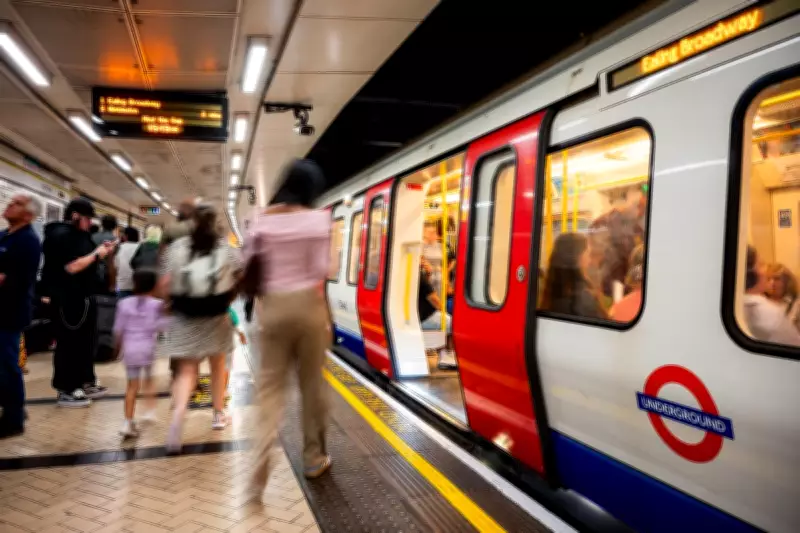
London commuters and visitors are bracing for severe travel disruption as Underground drivers prepare to walk out in a series of strikes this week. The Rail, Maritime and Transport (RMT) union has confirmed that its members will take 24-hour strike action, beginning at midday on Tuesday 21 April and repeating on Thursday 23 April.
Strike Dates and Impact on Services
The first strike will run from Tuesday into Wednesday, with the second from Thursday into Friday. Additional strikes are scheduled for May and June, specifically on 19-20 May, 21-22 May, 16-17 June, and 18-19 June. This industrial action is set to cripple large parts of the Tube network during peak travel times.
What to Expect on Strike Days
On Tuesdays and Thursdays, normal service will operate until mid-morning, after which services will gradually wind down. Significant disruption is expected across all lines from midday, with any running services finishing early. Transport for London (TfL) advises passengers to complete their journeys by 8pm on these days.

On Wednesdays and Fridays, Tube services that do operate will start later, with no service anticipated before 7.30am. Major disruption will persist until midday, when normal service should begin to resume, albeit with likely delays throughout the day.
Lines Affected by the Strikes
While the strikes will impact the entire Tube network, a reduced service will run on most lines, albeit with significant interruptions. However, there will be no service whatsoever on the Piccadilly line, the Circle line, the Metropolitan line between Baker Street and Aldgate, and the Central line between White City and Liverpool Street.
Elizabeth line, Docklands Light Railway (DLR), London Overground, and tram services are expected to operate normally on strike days, but they are likely to be extremely busy as passengers seek alternative routes.
Behind the Industrial Action
The RMT union has accused TfL of attempting to impose a new four-day working week without proper consultation. Eddie Dempsey, the union's general secretary, expressed frustration over the stalled negotiations, stating, "We have approached negotiations with TfL in good faith throughout this entire process, but despite our best efforts, TfL seem unwilling to make any concessions in a bid to avert strike action."
In response, Claire Mann, TfL's chief operating officer, defended the proposals, explaining that the four-day working week would allow the company to "offer train operators an additional day off, whilst at the same time bringing London Underground in line with the working patterns of other train operating companies, improving reliability and flexibility at no additional cost."
She emphasised that the changes would be voluntary, with no reduction in contractual hours, and that drivers wishing to maintain a five-day working week would be free to do so.
As the strikes loom, travellers are urged to plan ahead, check TfL updates regularly, and consider alternative transport options to minimise disruption during this period of industrial unrest.






