
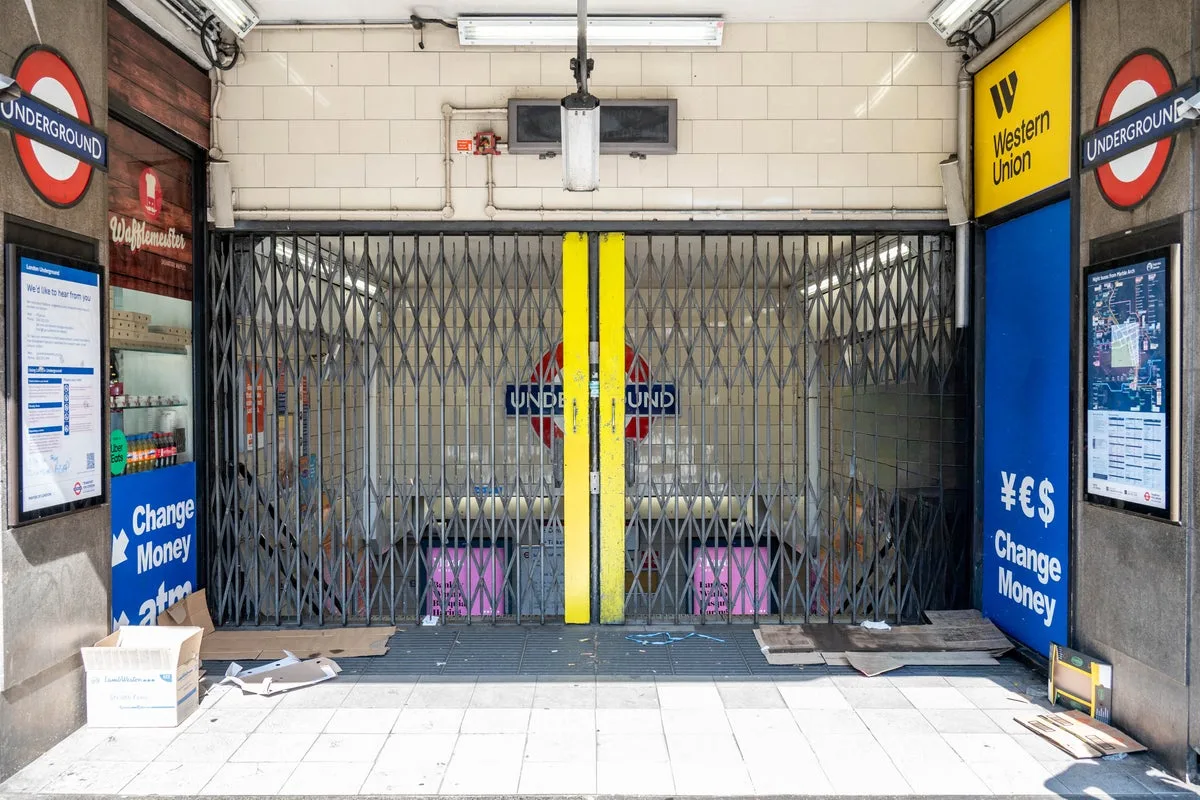
Last-ditch talks are scheduled for Monday in an attempt to avert planned strike action by London Underground drivers this week, as a long-running dispute over working hours continues. Members of the Rail, Maritime and Transport union (RMT) are set to walk out on Tuesday and Thursday, threatening major travel disruption across the capital.
The strikes stem from issues including a new four-day week, which the union says its members oppose. The drivers' union Aslef has accepted the new arrangements. Claire Mann, Transport for London's (TfL) chief operating officer, said: "We still believe that the points they have raised can be worked out in time, through more detailed discussions and we are continuing to talk to the union's representatives to find a way to avoid disruption to London."
A union spokesperson said: "Our members have raised serious concerns around fatigue, longer shifts, reduced flexibility and the impact these proposals could have in a safety-critical role." RMT was due to walk out for 24 hours from midday on Tuesday 19 May and again on Thursday 21 May, but the action was called off at the last minute. Strikes scheduled for June 16 and 18 have also been called off, but the union announced new, earlier 24-hour strike dates of June 2 and 4 if the dispute remains unresolved.
TfL has advised passengers to check before they travel if the strikes go ahead. The planned action will take significant parts of the network out of action for half of two consecutive days, lasting from midday to midday. On strike days, travellers can expect normal service until mid-morning, when services will begin to ramp down. There will be significant disruption on all lines from midday, and lines that do run will finish early. On the following days, Tube services will begin later, with no service expected before 7.30am, and significant disruption until midday.
TfL says the strikes will affect the whole Tube network, but a reduced service will still run on most lines. The Elizabeth line, DLR, London Overground, and tram services will run normally on strike days but are likely to be very busy.




