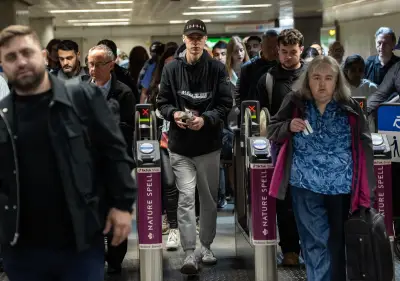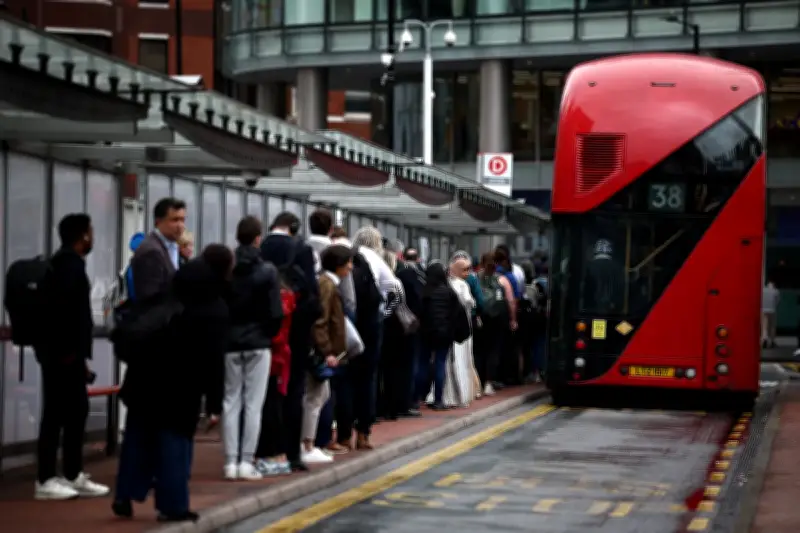
Londoners are making around 1.7 million fewer bus journeys a day than they were just over a decade ago, according to a new report.
The number of bus journeys made in London fell by 56.7 million in the last year alone, with the rate of decline more than doubling as the capital's bus network continues to struggle to win back passengers.
Decline Since 2013
New figures published by the Department for Transport (DfT) show that 1.8 billion bus passenger journeys were made in London in the year to March 2026, down 3.1 per cent on the previous year.
Bus use in the capital has been on a downward trajectory since 2013 to 2014, with passenger numbers in decline well before the Covid pandemic hit. Although they began to recover following the lifting of restrictions, recovery stalled in 2023 to 2024, with bus journeys falling in each of the two following years.
London now accounts for 49 per cent of all local bus passenger journeys in England – its lowest share since 2011.
Fares and Challenges
The decline comes despite London bus fares being frozen between March 2024 and March 2026. Since March 2020, the cost of travelling by bus in London has fallen by 9.8 per cent in real terms, yet annual passenger journeys remain 15.6 per cent below pre-pandemic levels.
This suggests that cutting the cost of bus travel alone has not been enough to reverse the fall. The travel habits of Londoners have changed a lot since the pandemic, not least with the opening of the Elizabeth line in 2022, which has given passengers new ways of getting across the capital.
Congestion and slow journey times also remain challenges for London's buses, which continue to compete for busy road space. The capital's bus network is also having to contend with extreme summer temperatures, which have been made apparent over the last couple of years. During this year's heatwaves, bus drivers reported suffering from heatstroke, dehydration and fatigue, with temperatures inside some drivers' cabs reportedly reaching 40C.
Industrial Action and Future Plans
The sweltering conditions prompted industrial action by members of Unite the union over the summer, which led to Transport for London (TfL) and bus operators agreeing to ensure all London bus drivers' cabs are fitted with modern air conditioning by the end of May 2027.
The latest passenger figures come as TfL prepares to launch its own publicly owned bus company, Buses for London, from late 2027. The transport authority will initially take over the running of route 6, which connects Willesden with Victoria station, with a further four routes due to follow from 2028.
At present, TfL contracts the running of the capital's almost 700 bus routes to eight privately owned operators. TfL says bringing some services under public ownership will give it greater control over how buses are run, with the aim of improving reliability and safety while allowing profits to be reinvested into the wider transport network.
But the challenge faced by TfL remains a considerable one. Separate figures published by TfL earlier this month suggest the decline has continued beyond the period covered by the DfT statistics. Between September 20 and October 17, London recorded 141.4 million bus journeys, down 3.1 per cent from 145.9 million during the equivalent reporting period last year.