

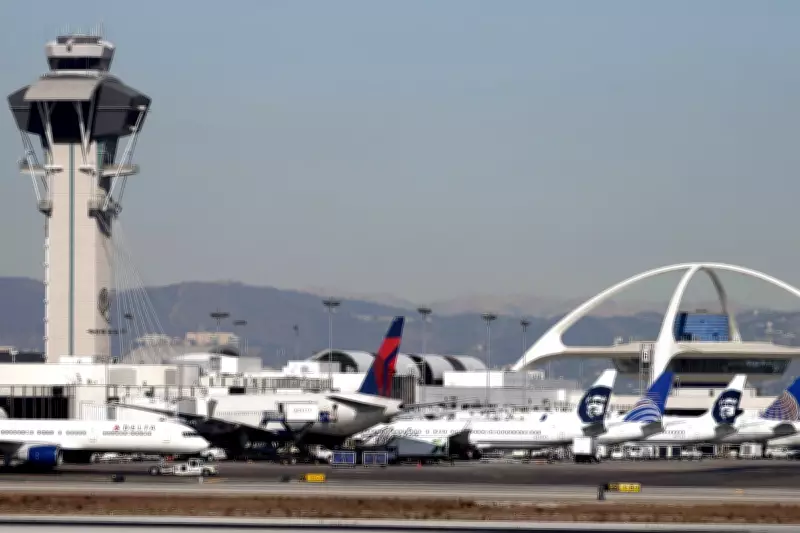
LAX Implements Major Fee Hike for Ride-Share and Taxi Services to Combat Airport Congestion
In a bold move to tackle persistent traffic issues, Los Angeles International Airport (LAX) has approved a significant increase in fees for ride-hailing and taxi services. The current $4 per trip charge will rise to $6, with direct terminal pick-ups or drop-offs now costing up to $12, marking a tripling of the previous rate for these premium services. This new policy, which eliminates prior exemptions for taxis and limousines, applies uniformly to all for-hire commercial vehicles, and the additional costs are anticipated to be passed directly to passengers.
SkyLink People Mover Aims to Revolutionize Passenger Transport
The fee hike is strategically designed to alleviate airport congestion by encouraging passengers to use the upcoming SkyLink automated people mover, scheduled for launch in late 2026. SkyLink is an elevated train system projected to transport 30 million passengers annually, significantly reducing daily vehicle miles traveled by 117,000. With trains capable of reaching speeds of 47mph and arriving every two minutes during peak hours, this initiative represents a major shift towards more efficient airport transit.
Ride-Share Companies Voice Strong Opposition to New Charges
Ride-share giants Uber and Lyft have strongly criticized the new fees, with Uber labeling the $12 pickup fee as the "most expensive in the world." They argue that this increase will substantially impact driver earnings and raise costs for passengers, potentially deterring airport travel. The companies express concerns that the policy may disproportionately affect lower-income travelers and disrupt the convenience that ride-sharing services have traditionally offered at LAX.

Broader Implications for Airport Operations and Passenger Experience
This policy change reflects a broader effort by LAX to modernize its infrastructure and reduce environmental impact through decreased vehicle emissions. By incentivizing the use of SkyLink, airport officials hope to streamline traffic flow and enhance overall passenger experience. However, the immediate financial burden on travelers and drivers has sparked debate about the balance between congestion management and accessibility, with ongoing discussions expected as the SkyLink system nears completion.






