

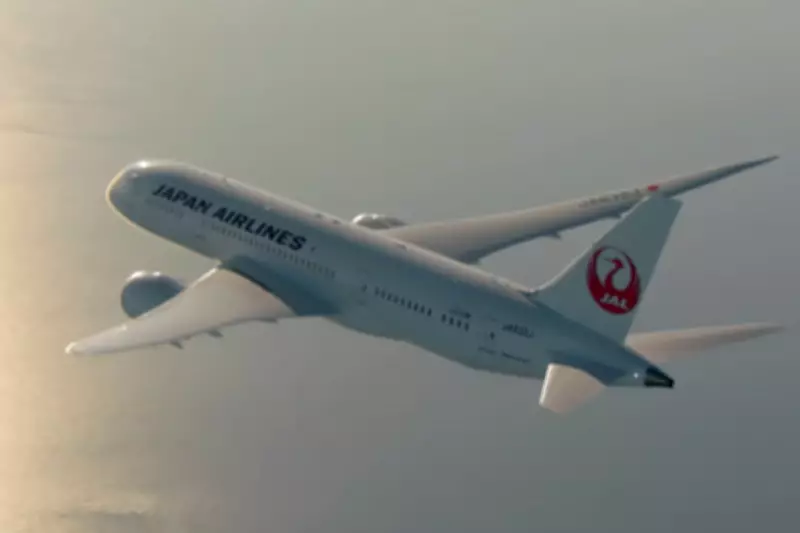
Japan Airlines has implemented a dramatic increase in its fuel surcharge, pushing the additional fee for flights between London and Tokyo beyond £250 each way. This surge, which represents a 93 per cent rise for new tickets issued from May 2026, is a direct response to escalating aviation fuel prices that have more than doubled since late February.
Steep Rise in Aviation Fuel Costs
The price hike is attributed to fuel market prices reaching levels far exceeding initial expectations, particularly following the US-Israeli attacks on Iran and subsequent reprisals that began on 28 February. Supplies to East Asia are under significant strain due to the region's heavy reliance on Gulf fuel sources, exacerbating the shortage and driving costs upward.
Unprecedented Surcharge Zones Introduced
In an unprecedented move, Japan Airlines has created new "surcharge zones"—Zones P through R—to accommodate the extreme surge in fuel prices, which has surpassed the previous maximum level (Zone O). The airline stated that this measure, while placing an additional burden on customers, is unavoidable to ensure the continuity of air transport operations and maintain service quality.

Government subsidies have mitigated the increase to some extent, but the carrier acknowledges that the rise would have been even higher without this support. The implementation notice was issued shortly before the new charges took effect, with Japan Airlines sincerely asking for passenger understanding.
Impact on Passengers and Alternative Options
For passengers purchasing tickets with cash, the fuel surcharge is integrated into the overall fare due to pricing rules, making it less visible. However, travellers redeeming frequent flyer points are likely to face significantly higher costs. When priced for the first two weeks of May, the lowest return fare on Japan Airlines was £1,332, including an insurance and fuel surcharge of £254.
In contrast, passengers can achieve substantial savings by opting for Gulf-based carriers. Etihad Airways offers a return fare of just £696 for the same dates, representing a 48 per cent saving compared to the cheapest direct Japan Airlines ticket. This alternative involves flying via Abu Dhabi, with similar options available through Qatar Airways via Doha and Emirates via Dubai.
Foreign Office Warnings and Travel Considerations
Despite the cost benefits, the Foreign Office currently advises against changing planes in key Middle East hubs, including Abu Dhabi, Doha, and Dubai, due to ongoing regional tensions. Nevertheless, these carriers continue to operate flights to and from the UK with onward connections, providing a viable, albeit cautioned, alternative for budget-conscious travellers.
The situation highlights the broader challenges facing the aviation industry as fuel shortages and geopolitical conflicts drive up operational costs, ultimately impacting passenger fares and travel choices globally.






