

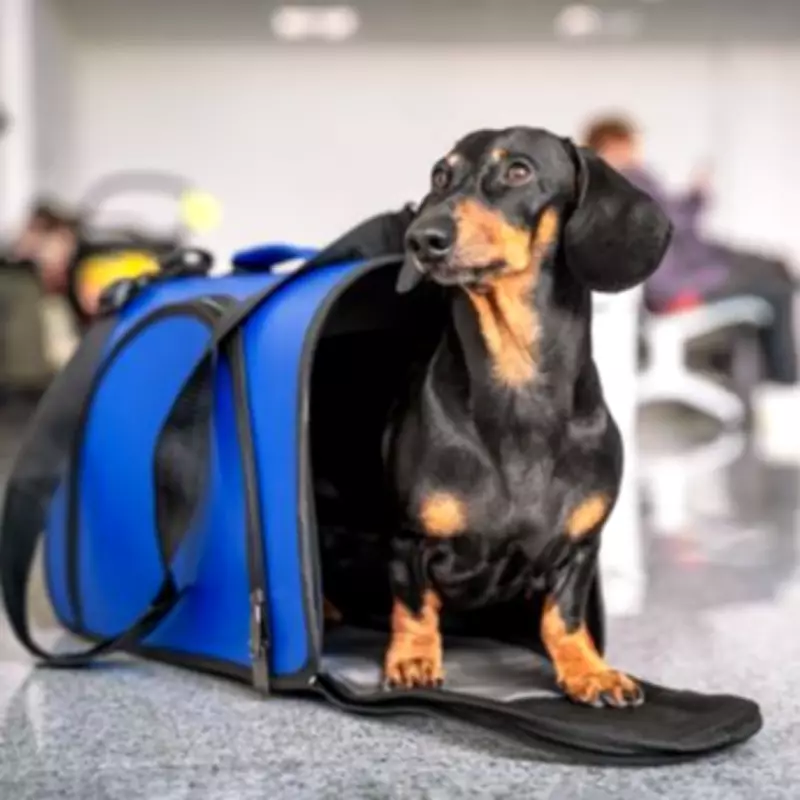
Missing your canine companion while on holiday? A major European airline is set to transform pet travel by permitting larger dogs to accompany their owners in the cabin for the first time, rather than being confined to the hold or a carrier. This pioneering move could inspire other carriers to adopt similar dog-friendly policies.
New Cabin Policy for Canine Passengers
From summer 2026, ITA Airways, the Italian national airline, will allow dogs weighing up to 30 kilograms to travel in the cabin with their owners on selected domestic flights. This significant change follows an update to policies by the Italian Civil Aviation Authority (ENAC) last year, which enabled Italian airlines to accommodate larger dogs in cabins. While exact details and pricing are yet to be announced, it is anticipated that owners will need to purchase an additional seat for their pet and sit in a designated area of the cabin, with limits on the number of dogs per flight to ensure comfort and safety.
Requirements and Restrictions for Flying with Dogs
In accordance with ENAC guidelines, dogs must possess an EU pet passport or health certificate and be secured with a harness or seatbelt during take-off, landing, and turbulence. ITA Airways already prohibits brachycephalic breeds, such as bulldogs, pugs, and boxers, from flying in the hold due to respiratory issues common among short-snouted pets, and this ban is expected to extend to cabin travel. This policy contrasts sharply with most major UK airlines, which typically require dogs to fly in the hold unless they are certified assistance animals, and with some European carriers like Air France that allow smaller pets up to 8kg in carriers under seats.

Broader Context of Pet-Friendly Travel
The announcement emerges amid ongoing debates in the UK about the extent of dog-friendly spaces, highlighted by recent media discussions on balancing accessibility for pet owners with concerns from individuals with allergies or phobias. Additionally, since Brexit, British pet owners face increased challenges when travelling to Europe, as the previous pet passport scheme has been replaced by the Animal Health Certificate (AHC). This certificate must be obtained from an authorised vet up to ten days before travel, requires pets to be microchipped, vaccinated for rabies, and given tapeworm treatments, and remains valid for four months for re-entry to the UK or onward travel within the EU.
Potential Impact on the Airline Industry
ITA Airways' initiative represents a notable departure from traditional airline pet policies and could prompt other airlines to reconsider their approaches to accommodate growing demand for pet-inclusive travel. As more public spaces become pet-friendly, this move may set a precedent for enhanced canine comfort during air travel, potentially influencing global standards and customer preferences in the aviation sector.






