Residents in the west London borough of Hillingdon face paying 70% more for some high street parking from April, after senior councillors voted through the changes last week. The Conservative-led local authority argued that current fee levels are “unsustainable”, but the local Labour MP warned the move could hurt the borough's high streets.
What are the new parking charges?
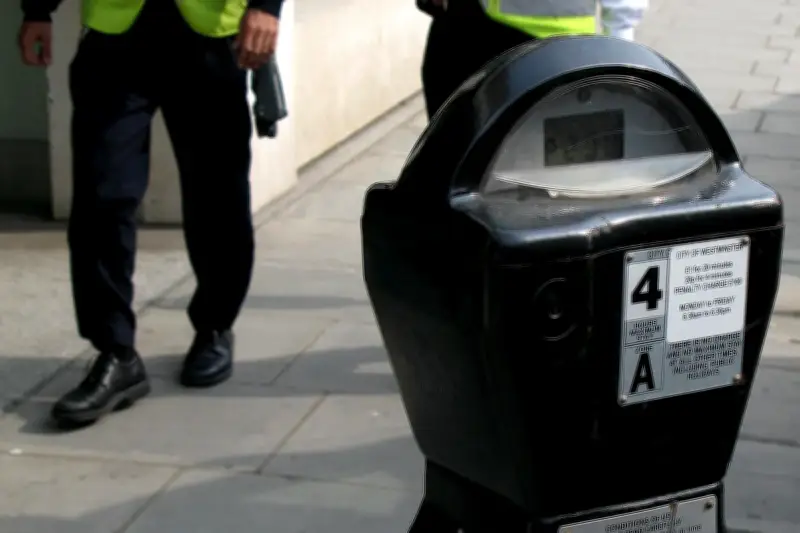
Councillors increased on-street parking charges by 15% at a cabinet meeting last week. Combined with a large reduction in parking discounts for residents, this means ratepayers face an increase of more than 70% for some high street parking.
For Hillingdon First cardholders – a free scheme offering discounts on services for borough residents – parking charges will increase by 15%, and the resident parking discount will be reduced from roughly 40% to 10%. On-street pay and display tariffs will increase across all time bands for residents.
According to data shared by the Labour Party, parking up to one hour will rise from £1.50 to £2.60 – an increase of 73% – with the 1.5 hours band lifted from £2.40 to £4.10, and up to two hours increased from £3.30 to £5.70. Every 20 minutes thereafter will cost £1.40, up from £0.80.
MP and residents' backlash
Danny Beales, the Labour MP for Uxbridge and South Ruislip, said the “substantial” increase in parking charges comes only six months after “residents faced parking price increases” in the spring. In a post on social media, the MP said: “The council must consider the additional financial burden on residents and the higher parking charges could have on our local high streets and businesses.”
The Ruislip Residents' Association complained that locals “were not consulted” on the new prices for parking. It also said the council had advertised the headline figure for parking rises at 15%, when the resident discount meant most motorists in the borough would pay substantially more than that from next spring.
Council defends the decision
Councillor Steve Tuckwell, Conservative leader of the Council, defended the decision, arguing it would have been unsustainable to have kept parking charges at their current levels. “Hillingdon residents have benefited from some of the lowest parking charges in London for many years and will continue to do so,” he said in a statement issued on Sunday.
“Independent benchmarking has also found that many of the council's discretionary charges are among the lowest 25% compared with other authorities. It would not be responsible or sustainable to leave them unchanged indefinitely. Despite the planned increases we have ensured that residents will continue to benefit from discounted parking, paying less than visitors, and one free 30-minute parking session per day, continuing to support access to local shops and high streets.”
The cabinet also signed off on resident parking permits being increased by 15%. Residents' first vehicle permit will cost £106.30 per year rather than £92.40 per year. For refuse collections, the garden waste fee will be reduced by £8 per year. The bulky waste collection charges have been frozen at £53 for up to three items, however it has increased to £70 for four to six items. The over 65s concession on bulky waste collection has also been removed and the standard rate will now be applied.
Fees charged at council leisure centers are set to increase by 4% from December. Parks, sports, and outdoor facilities such as tennis courts and football pitches will also see an increase in fees for residents.
Speaking at Thursday's cabinet meeting, Councillor Eddie Lavery, the council's finance chief, said: “Hillingdon residents have for many years had levels of fees and charges and council tax significantly below that of other authorities. Whilst we wish to remain a lower charging authority, the current levels are not sustainable. The principle is a 15% uplift reflecting historic low charges compared to other boroughs and also the need to raise further income to close the income gap we currently have.”