

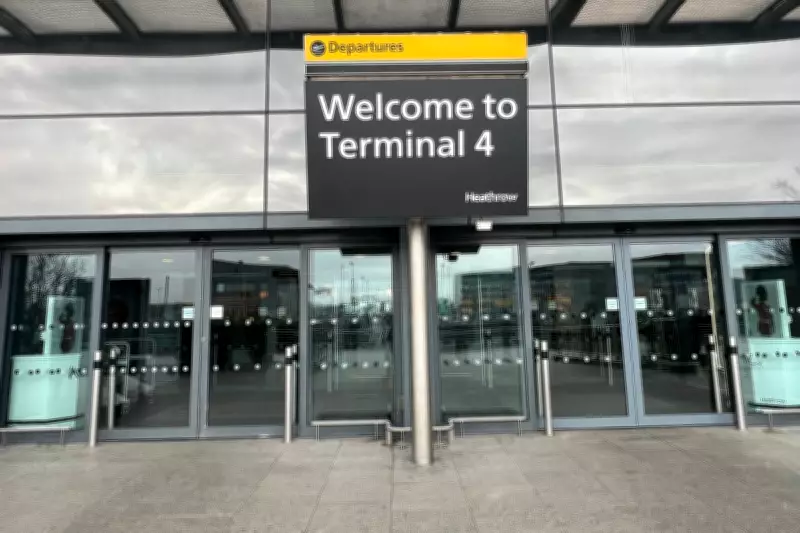
Heathrow Terminal 4 Passenger Numbers Plummet Amid Iran-US Conflict Fallout
London Heathrow Airport's Terminal 4 is experiencing a significant disruption, with passenger numbers dropping by approximately one-third due to ongoing flight cancellations by major Gulf carriers. This downturn stems directly from the US-Israeli attack on Iran in late February 2026, which has severely impacted air travel routes and schedules.
Impact of Flight Cancellations on Daily Operations
The cancellations involve key airlines such as Qatar Airways, Etihad Airways, Gulf Air, Kuwait Airways, and El Al, leading to a loss of around 9,000 passengers each day at Terminal 4. This reduction has created noticeable gaps in the departure schedule, resulting in quieter periods throughout the terminal. The situation echoes the dramatic declines seen during the Covid-19 pandemic, highlighting the vulnerability of aviation hubs to geopolitical tensions.
Terminal 4, which specialises in flights to critical Middle East hubs, is particularly affected by these disruptions. The terminal's focus on routes to the Gulf region means it is bearing the brunt of the travel restrictions and safety concerns arising from the conflict.

Economic Consequences for Terminal Businesses
Local businesses within Terminal 4, including cafés, restaurants, and duty-free shops, are suffering financially due to the drastically reduced footfall. With fewer travellers passing through, these establishments are reporting significant losses in revenue, compounding the challenges faced by the aviation and retail sectors. The economic ripple effects extend beyond the airport, affecting suppliers and employees reliant on the terminal's usual bustling activity.
As the Iran-US conflict continues to unfold, the future of Terminal 4's operations remains uncertain. Airport authorities and airlines are closely monitoring the situation, with potential adjustments to services and schedules likely in response to ongoing developments. The disruption serves as a stark reminder of how international conflicts can swiftly impact global travel and local economies.






