
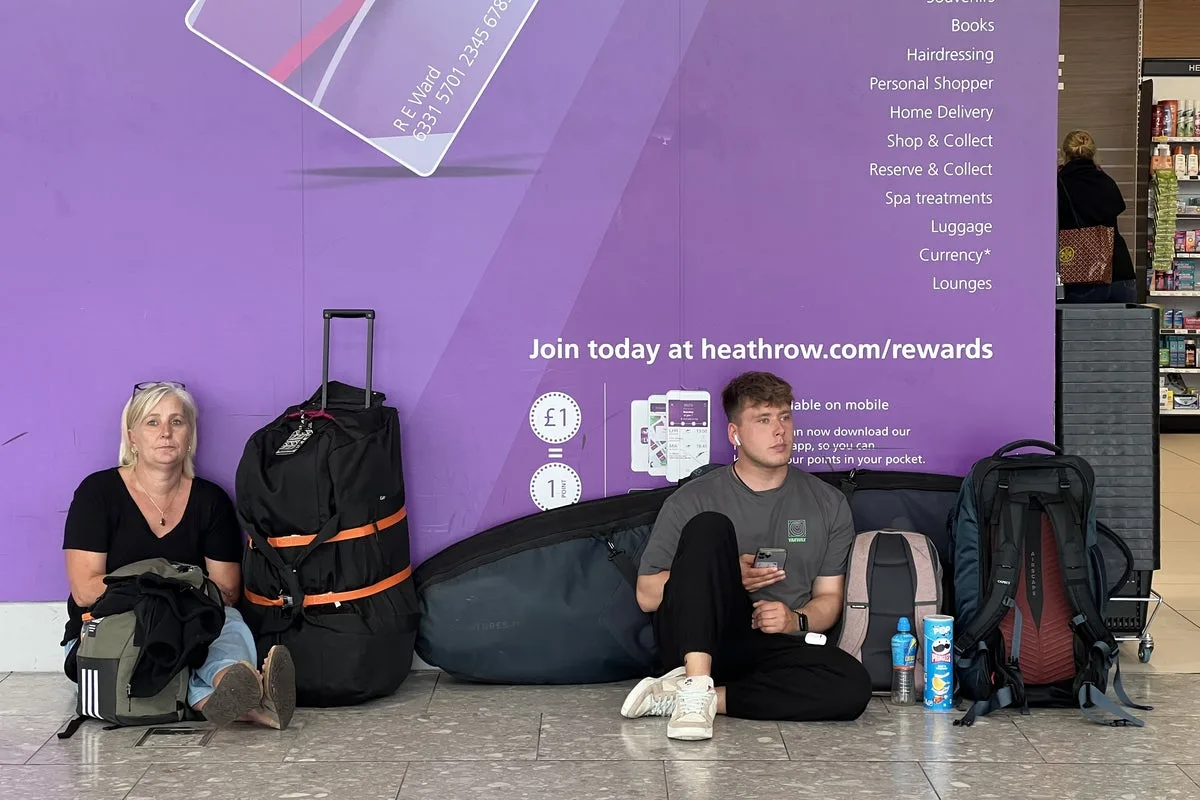
Major European airports, including Heathrow, Brussels and Berlin, faced a second day of travel chaos on Sunday after a cyber attack crippled airline check-in and boarding systems. Thousands of passengers endured hour-long queues on Saturday as airlines were forced to process travellers manually, with disruption continuing into the weekend as carriers advised people not to come to airports unless their flight had been confirmed.
The attack targeted systems provided by Collins Aerospace, an aviation and defence company that supplies the technology used for passenger check-in and boarding. The firm said it was working to resolve the issue as quickly as possible, but did not disclose any details about the cause. Airlines were reported to be furious at being left to handle rebooking, food and accommodation for stranded passengers, with many unaware whether their flights would depart.
The European Commission said aviation safety and air traffic control had not been affected, and that it would closely monitor the situation. Despite some unfounded claims of Russian involvement, there is currently no evidence linking Moscow to the attack. Recent major hacks, such as the one on British retailer M&S in April, have been attributed to criminal gangs seeking financial extortion, with arrests made in the UK.
Cybersecurity experts warned that the incident highlighted vulnerabilities in the aviation sector's reliance on interconnected third-party systems. Vykintas Maknickas, CEO of travel eSIM app Saily, said the attack demonstrated the supply-chain risks facing airlines, as a single vendor outage could rapidly escalate into widespread disruption across multiple hubs. He urged the industry to apply the same resilience principles used for physical infrastructure to its digital strategies, warning that without viable backup systems, this would not be the last such outage.




