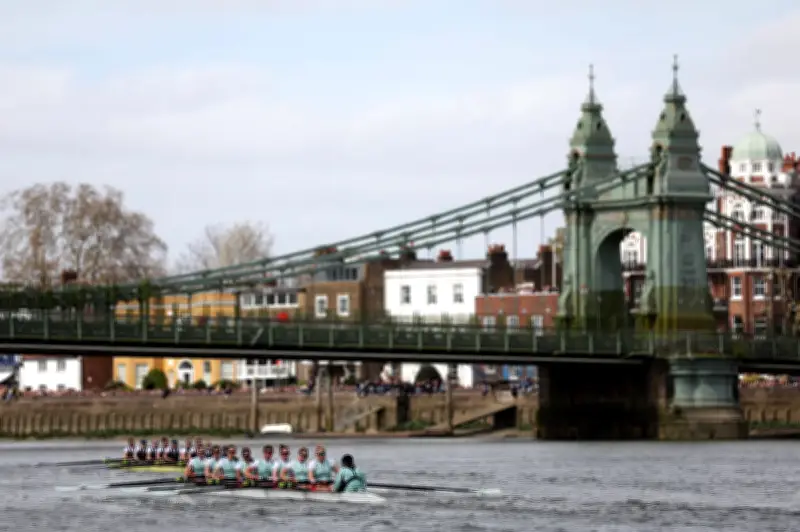
Hammersmith Bridge will not reopen to vehicles as there is no funding available, a council report suggests. Hammersmith & Fulham Council is recommending a 'phased repair' of the bridge, prioritising access for cyclists and pedestrians.
Hopes of reopening Hammersmith Bridge to vehicles appear to have been dashed after a council report concluded it is not financially viable. Hammersmith & Fulham Council says fully restoring the 139-year-old bridge would cost the borough around £300 million, which is beyond its financial means. In a report due to be considered by cabinet on July 7, the council states: “there is no financial option available that would allow its full restoration.”
Funding Challenges and Phased Repair
It had been hoped the Department for Transport's (DfT) Structures Fund, offering councils £1 billion to spend on repairing and replacing infrastructure, would provide the funding needed to fully restore the bridge. However, the Council says the criteria for funding requires projects to be completed by March 31, 2030, making a full restoration impossible within the deadline. Following discussions with the Department for Transport, the council is recommending a “phased repair” programme instead. This would prioritise the bridge's most urgent structural repairs while keeping it open for pedestrians and cyclists, rather than restoring it to full vehicle traffic.
The decision has disappointed campaigners who have long called for a full reopening of Hammersmith Bridge, which closed in April 2019. Putney and Roehampton MP Fleur Anderson said she was “deeply disappointed” by the news and said she will continue to campaign for the bridge’s full restoration. “H&F Council has already invested £54 million in repairs to ensure the safety of the bridge, and it is unreasonable to expect them to bear additional financial burdens,” she said.
Transport Disruption Concerns
Ms Anderson said that with restoration costs continuing to rise, cheaper alternative crossings should be explored. She also raised concerns about wider transport disruption in the area, pointing to the loss of six bus routes and persistent traffic congestion. “The travel experience through Putney is severely affected by the closures of both Hammersmith and Albert Bridges, leading to frequent gridlock on routes into Putney High Street,” Ms Anderson added. “Commuters are facing prolonged bus delays, making travel frustrating and unreliable for thousands of people every day. I will continue to advocate for the complete restoration of Hammersmith Bridge. The Government must urgently explore alternative budget allocations to reinstate this vital transport route in our capital city. Transport for London must also take more action to prevent bus delays and early service terminations, while addressing the growing congestion on our roads.”
On the other hand, members of the London Cycling Campaign welcomed the news, saying the emergency closure has improved safety for cyclists and pedestrians. Simon Munk of LCC said: “Motor traffic and congestion locally has dropped post-Hammersmith Bridge closing across a wide area. The emergency closure of Hammersmith bridge has delivered a welcome, safe active travel crossing of the Thames whereas adding any more road bridge and tunnel capacity would just mean more motor traffic. Even if London could afford to fix Hammersmith Bridge for cars, it shouldn't. Instead, we need a review of all London's river crossings to see which can continue to cope with motor traffic, which are needed for cars, buses, freight and which could be repurposed. We also need to get innovative to help children, the elderly and Disabled people across Hammersmith bridge using lighter weight options.”
Historical Context and Cost Escalation
Opened by the Prince of Wales in 1887, the Victorian-era bridge was originally built for horse-drawn carriages and has been targeted in three bombings over the course of its history. Some 20,000 cars and buses were passing over the bridge each day before its closure in 2019 for essential repairs. After millions were spent on stabilisation works, the bridge was reopened to pedestrians and cyclists in 2021. In the seven years since it was closed to traffic, the costs of repairing the bridge have ballooned to £300 million.
A three-way funding deal was imposed by the Department for Transport (DfT) in the June 1, 2021 TfL settlement, requiring each party to pay one-third of the bridge repairs. The Council says that under this arrangement it is still owed money, mainly from TfL, and the DfT, towards the £54 million already spent on the restoration. The authority also claims the latest Government medium-term financial settlement will significantly reduce the Council’s General Fund from 2026/27, leaving no funding available for the bridge’s repair.
Additional Complications and Next Steps
A further complication is the bridge’s ornate cast iron pedestal casings, which were removed in 2020 at a cost of around £10 million, funded by TfL, to allow stabilisation work to proceed. They have since been in storage, costing the council about £120,000 a year. Historic England agreed to the casings being removed on the understanding they would be put back. Permission for their removal has since expired, and the council is awaiting a decision on an application to extend it for another five years. The Council says that if there is still no realistic prospect of repairing the bridge when that extension ends, any further application could be refused.
The report asks cabinet members to endorse a phased repair of the bridge as its strategic approach. Cabinet approval is also needed before any steps can be taken to seek funding for strengthening the bridge to allow motor vehicles to use it. The bridge, the report states, remains in a fragile condition and additional funding is likely needed in the “short to medium term” if it is to remain open to pedestrians and cyclists.