
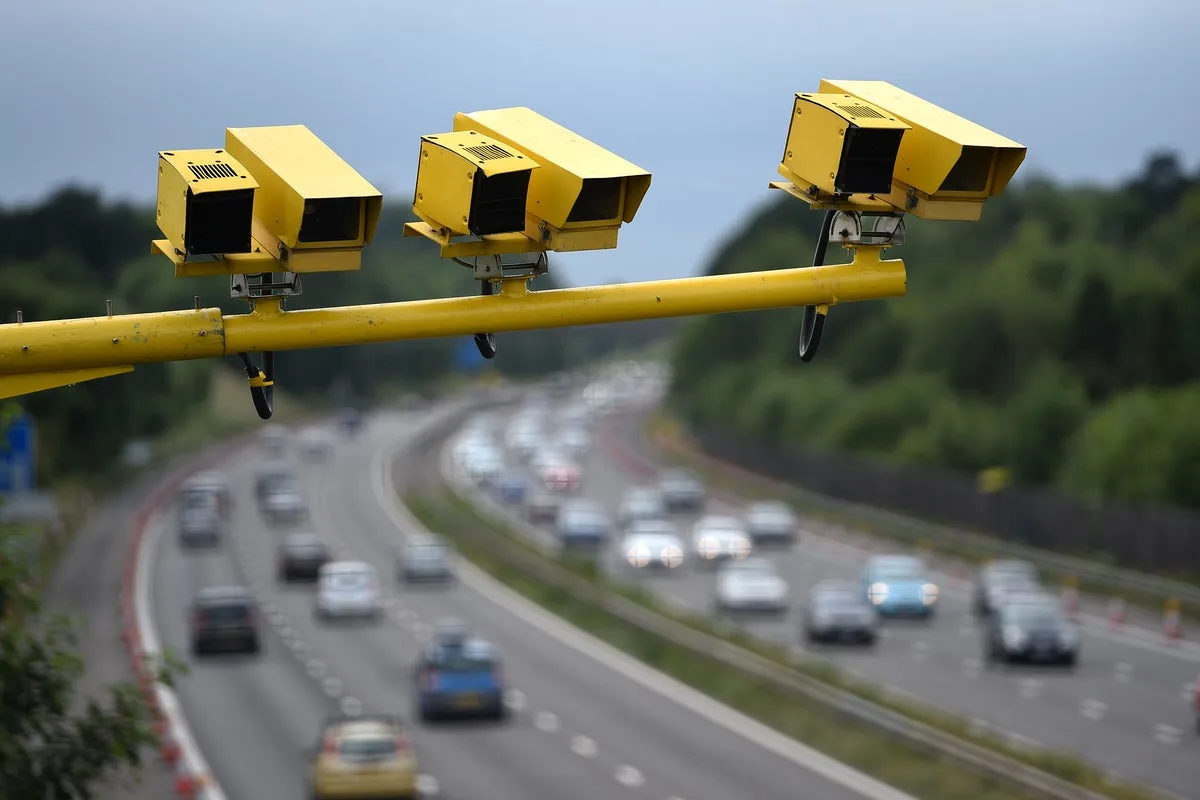
Up to one in 15 vehicles on UK roads may be using number plates designed to evade automatic number plate recognition (ANPR) cameras, according to a new report that warns of serious threats to road safety and national security.
The All-Party Parliamentary Group for Transport Safety (APPGTS) found that 'ghost plates' with reflective coatings and 'plate cloning' – where criminals illegally copy another vehicle's registration – are widespread. It noted that avoiding ANPR cameras sometimes requires 'nothing more sophisticated than cellophane, leaves or a marker pen'.
The report said the abuse of the number plate system can facilitate a range of offences, from dodging road charges and fines to drug dealing and organised crime.
To tackle the problem, the APPGTS recommends a 'significant' reduction in the number of licensed sellers of number plates, from the current 34,455, by introducing annual fees and higher standards. Many sellers were found to operate from private homes or small workshops with no background checks, and some handling customers' identity documents had criminal convictions for violence and fraud. The report also calls for standardising plate design, including banning 3D and 4D versions.
Sarah Coombes, an APPGTS member and Labour MP for West Bromwich, said: 'This explosive report lays bare the threat posed by ghost and cloned plates. It's totally wrong that people can commit terrible crimes and then set themselves up as number plate sellers with no questions asked.' Simon Williams, head of policy at the RAC, added that urgent action is needed, stating: 'Ghost and cloned plates have no place on our roads as no one should be able to drive a vehicle that's invisible to enforcement cameras or untraceable by the police.'
The British Number Plate Manufacturers Association, which represents companies producing the vast majority of plates in the UK, said it 'fully supports the recommendations of the APPG'. The Driver and Vehicle Licensing Agency was approached for comment.




