Major Air Travel Disruption as US-Israel Strikes on Iran Close Airspace
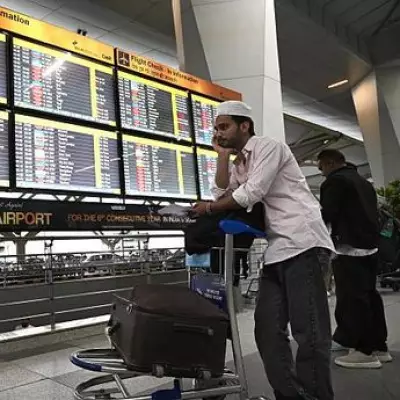
Flights across Western Europe and the Middle East have been severely disrupted following military strikes launched by the United States and Israel against Iran. The escalating conflict has led to the closure of airspace over Iran and Iraq, forcing airlines to cancel and divert routes, with significant impacts on passenger travel.
Immediate Suspensions and Cancellations
Whizz Air has announced the immediate suspension of all flights to and from Israel, Dubai, Abu Dhabi, and Amman, effective until March 7, 2026, in response to the strikes. This decision comes as a direct result of the heightened security risks and airspace closures in the region.
Additionally, KLM has cancelled a flight from Amsterdam to Tel Aviv, citing safety concerns and operational challenges due to the ongoing military actions. Other airlines are expected to follow suit as the situation develops, with further disruptions likely in the coming days.

Airspace Closures and Flight Diversions
The strikes, confirmed by former US President Donald Trump on Saturday morning, February 28, 2026, have been described as a "major combat operation." In retaliation, Iran has launched missiles, leading to the closure of its airspace and that of Iraq. This has forced flights that typically cross these countries to divert to alternative routes.
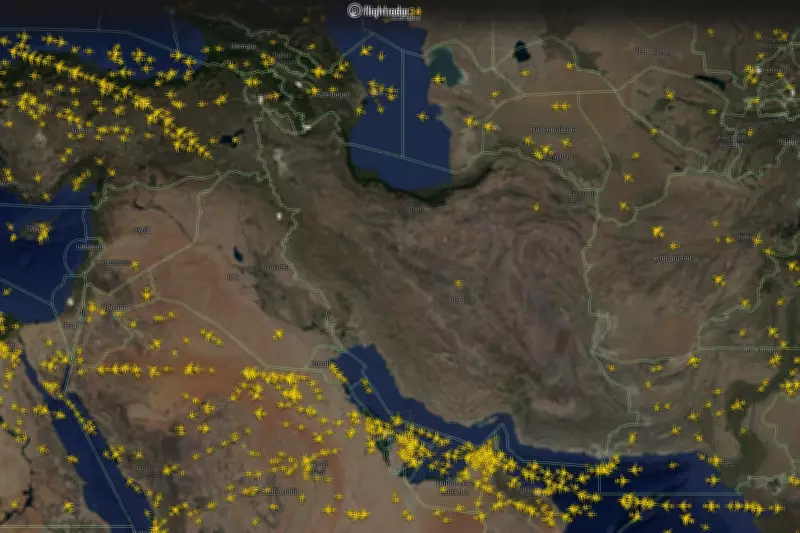
Flight tracking data from Flightradar24 shows a significant shift in aircraft patterns. Overnight, flights from the Gulf were crossing northeast Iraq, but from around 6 am GMT, aircraft began rerouting west over Saudi Arabia to avoid the conflict zones.
Extended Flight Paths and Congestion
Prior to the closures, some planes were flying over Iran on north-south routes serving major hubs like Dubai. These flights have now ceased entirely, leading to extended flight paths and inevitable air traffic control congestion. The rerouting is causing delays and operational headaches for airlines and passengers alike.
The disruption is expected to persist until the airspace reopens, with airlines advising travellers to check for updates and prepare for potential cancellations or lengthy diversions. This situation underscores the broader geopolitical tensions affecting global travel and security.