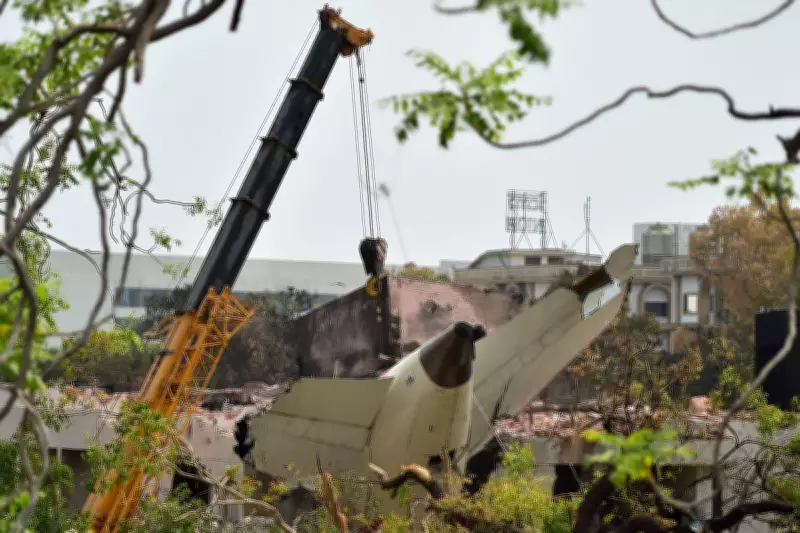
Bereaved families are urgently seeking answers eight months after a devastating Air India crash in Ahmedabad, India, which claimed the lives of 240 people on board and 19 on the ground, leaving only one survivor. The incident involved a Boeing 787-8 Dreamliner, and while investigators have not yet finalized a cause, they are increasingly focusing on potential human error or deliberate pilot actions, rather than mechanical faults, despite ongoing allegations of inherent flaws in the aircraft.
Investigation Findings and Legal Challenges
A preliminary report from the investigation indicated that fuel switches were flipped to 'cutoff' shortly after take-off, leading to accusations against the pilots. This has sparked legal challenges from the pilots' families, who argue that there has been a media trial unfairly targeting them. In response, lawsuits have been filed against both Boeing and Air India, alleging that the plane had inherent design flaws that contributed to the crash.
Expert Opinions and Technical Concerns
Independent aviation experts have suggested alternative theories, pointing to possible electrical faults as a cause. They cite the aircraft's history of technical issues, which raises questions about the reliability of the Boeing 787-8 Dreamliner model. These experts emphasize the need for a thorough examination of all potential factors, including both human and mechanical elements, to ensure a comprehensive understanding of the crash.

Impact on Bereaved Families
The families of the victims are grappling with profound grief and economic hardship, compounded by a complex and often slow compensation process. Many are struggling to navigate legal and bureaucratic hurdles as they seek justice and financial support. The emotional toll is immense, with families expressing frustration over the lack of clear answers and the prolonged investigation timeline.
Calls for Independent Probe
In light of the conflicting reports and allegations, there are growing calls for an independent probe into the crash. Advocates argue that an unbiased investigation is necessary to address concerns about potential cover-ups or biases in the current process. They stress that transparency and accountability are crucial for providing closure to the affected families and improving aviation safety standards globally.
Awaiting the Final Report
The final investigation report is due by June 2026, and families are anxiously awaiting its findings. This report is expected to provide a definitive cause for the crash, which could influence future legal proceedings and compensation claims. Until then, the uncertainty continues to weigh heavily on all those impacted by this tragedy.
As the investigation progresses, the global aviation community is closely monitoring the outcomes, hoping for lessons that can prevent similar incidents in the future. The case highlights ongoing challenges in balancing technical advancements with safety protocols in the airline industry.