

The US Federal Aviation Administration (FAA) has grounded SpaceX's Starship rocket following an incident during its most recent test flight, requiring an investigation before further launches can proceed.
Launch Anomaly
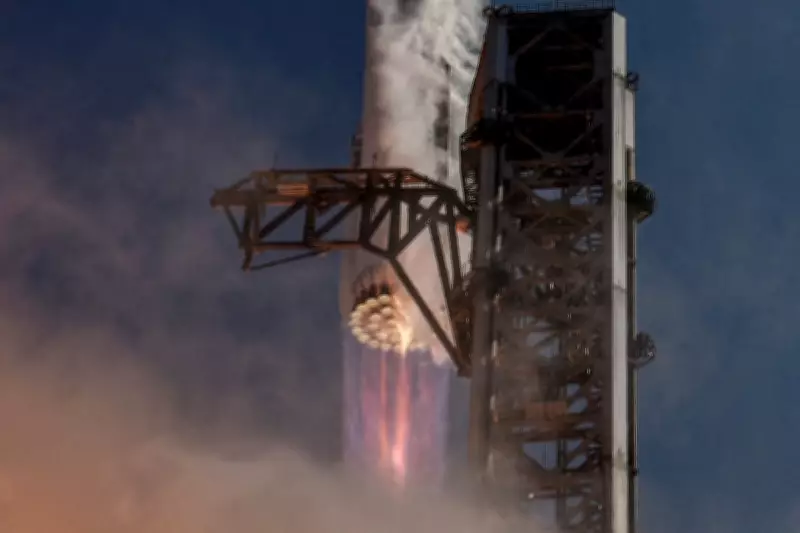
During the 22 May launch from SpaceX's Starbase facility in Texas, the world's largest rocket lifted off successfully, with the second stage performing a controlled landing in the Indian Ocean. However, the first stage Super Heavy booster encountered a problem while splashing down in the Gulf of Mexico, with only one of its 33 engines igniting.
The heavy impact of the 72-metre (236-foot) booster led the FAA to classify the event as a mishap, triggering a formal investigation. The regulator stated: "After a thorough assessment of the operation, the FAA has determined the 22 May SpaceX Starship Flight 12 launch resulted in a mishap."

Investigation and Safety
The FAA emphasised that a return to flight for the Starship Super Heavy vehicle depends on the agency determining that any system, process, or procedure related to the mishap does not affect public safety. SpaceX must now identify corrective actions, which require FAA approval before another launch.
Rocket Specifications
When fully stacked, the Starship and Super Heavy booster measure over 124 metres, making it more than 10 metres taller than NASA's Saturn V rocket used during the Apollo programme. SpaceX plans to use Starship for NASA's Artemis programme to return humans to the lunar surface for the first time in over 50 years.
Impact on Artemis Programme
Delays in Starship's development have forced NASA to push back its timeline. The first crewed mission to the Moon is now scheduled for 2028, originally set for 2024. SpaceX CEO Elon Musk has cited the "alien-level technology" involved in building the world's largest rocket as a major reason for the delays.
The mishap investigation will scrutinise the booster's engine failure and ensure all safety measures are addressed before Starship flies again.






