Jodie Kidd's Electric Road Trip Highlights UK's EV Charger Surge Over Petrol Pumps
EV Chargers Now Outnumber Petrol Pumps in UK, Kidd Road Trip Shows

Electric Vehicle Chargers Surpass Petrol Pumps in UK as Jodie Kidd Embarks on Road Trip

The British road trip is undergoing a significant transformation in the electric era, with new data revealing a remarkable shift in infrastructure. According to figures released alongside the government-backed Electric Road Trip campaign, the United Kingdom now boasts more than 118,000 public electric vehicle charge points nationwide. This number starkly contrasts with approximately 60,800 traditional fuel pumps, indicating that EV chargers have nearly doubled the availability of petrol stations.

Perception Gap and Campaign Goals

Despite this substantial lead in charging infrastructure, a recent survey highlights a persistent perception gap. An overwhelming 71 percent of adults still believe that petrol pumps outnumber EV chargers, underscoring how public awareness lags behind the rapid advancements in reality. To address this misconception, model-turned-motoring expert Jodie Kidd has partnered with the Department for Transport to front the Electric Road Trip campaign. Her mission is to demonstrate to drivers just how extensive and diverse the UK's charging network has truly become.

Kidd's advocacy is deeply personal, rooted in her own transition to electric vehicles. "I just think that the tech, the practicality and the ease of use is making more and more sense," she explained. "Everything is catching up and the manufacturers are producing fantastic cars now." Her gradual shift towards EVs was driven by practicality and cost-effectiveness, especially as her mileage increased and she spent more time in urban areas like London, though she still relies on conventional vehicles for heavier duties in the countryside.

Wide Pickt banner — collaborative shopping lists app for Telegram, phone mockup with grocery list

The Electric Road Trip Experience

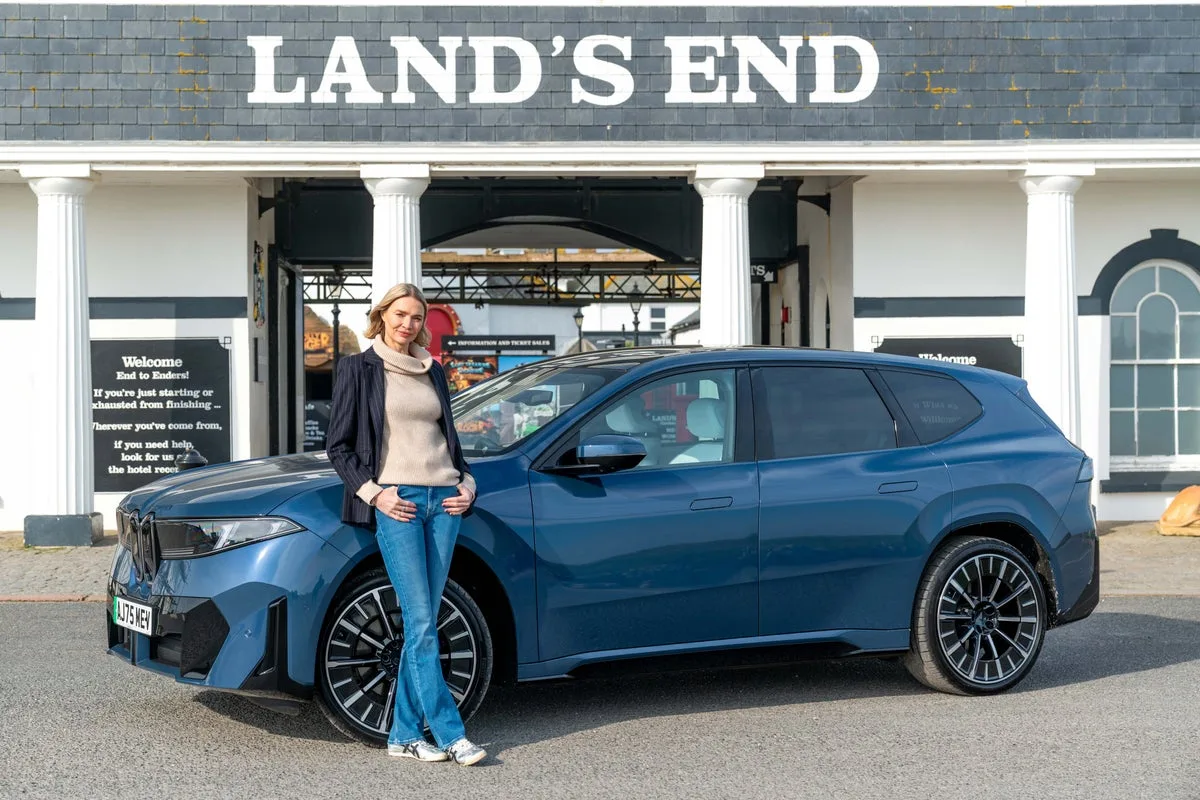
The campaign features a specially designed road trip from Land's End to the Angel of the North, aiming to showcase not only motorway service stations but also a growing network of chargers in rural locations, tourist hotspots, and everyday destinations. Specially-wrapped charge points mark key stops along the route, involving operators such as Osprey, Be.EV, Fastned, Believ, Gridserve, PodPoint, Source, RAW Charging, and Total Energies.

This initiative targets one of the most significant remaining barriers to EV adoption: confidence in charging accessibility. More than a third, 35 percent, of non-EV drivers state that easier access to charging would encourage them to switch, while 22 percent still incorrectly believe chargers are limited to motorway services and supermarkets. Kidd attributes much of this hesitation to outdated impressions. "They might have dipped their toe into the electric world a number of years ago and then kind of went, 'Oh, I went to a charging point and it wasn't working' and it might've put a bit of a bad taste in their mouth," she noted. "But the change that has happened in such a small amount of time is so extraordinary."

Infrastructure Growth and Government Support

The rapid rollout of EV infrastructure has been particularly striking. Kidd herself was surprised by the statistics, admitting, "I didn't actually know this fact until I did this campaign that there are almost double the amount of charging points in the UK than there are petrol pumps. That was quite something." This expansion is bolstered by substantial government backing. Decarbonisation minister Keir Mather emphasized the commitment, stating, "Industry asked us to back the EV revolution and that's exactly what we're doing. Just last year, we announced £600m to roll out hundreds of thousands of chargers across the UK, building on the 118,000 already available."

Additionally, the Electric Car Grant reduces upfront costs by up to £3,750, helping households save up to £1,400 on running expenses, making the switch more affordable than ever.

Pickt after-article banner — collaborative shopping lists app with family illustration

Changing Driving Habits and Benefits

Beyond mere convenience, Kidd highlights how electric vehicles can enhance the overall driving experience. "I find it a very smooth, peaceful environment," she said. "I just love the simplicity really. You just get in it and you just go." The campaign seeks to reframe perceptions of longer journeys, suggesting that EVs can transform the nature of travel itself. "I love doing a long road trip – you're just not in a rush, you're just on an adventure," Kidd shared. "It's just lovely knowing that you can stop off at these really beautiful scenic places and little villages."

This more considered pace encourages drivers to explore beyond traditional motorway stops, with chargers increasingly appearing in pubs, hotels, and rural attractions. Kidd is personally embracing this trend, planning to install a charging spot at her own pub. "If you just do a little bit of investigation, there's some beautiful little road trips that you can take – it's a good excuse to stop off and have lunches in lovely places," she added. This shift not only promotes tourism but also supports local businesses that adopt EV charging infrastructure.

Overcoming Challenges and Future Outlook

While challenges such as the variety of charging networks and apps can be confusing for new users, Kidd views this as a learning curve. "It's like learning something new," she remarked. "Once you get it and you understand it, it's a breeze." She also downplays concerns about queues and availability, noting she has never encountered such issues personally, though acknowledging earlier infrastructure problems.

For those hesitant about fully committing to electric, Kidd recommends plug-in hybrids as a transitional step. "I think they're a really good middle place," she suggested. "So that you can understand what it's like to charge... and eventually go full EV." Looking ahead, she is optimistic about the continued progress. "It's exciting," Kidd concluded. "The infrastructure is there, the manufacturers are there. It's all coming into place and the range and charge anxiety is just lessening."

Ultimately, the electric road trip represents not just the future of motoring but a return to a more relaxed and enjoyable way of traveling. "It's almost like it's just slowing down and relaxing," Kidd reflected. "And I think we've kind of lost that. Doing this has really set that familiar pattern of what a road trip was when I was a youngster." This evolution promises to reshape British travel habits, blending technological advancement with nostalgic exploration.