EU's New Biometric Border System Causes Major Travel Delays Across Europe
The European Union's new Entry/Exit System (EES) has been gradually implemented across the continent since October 2025, with twenty-nine countries now adopting the biometric border control process at their travel hubs. Under this system, non-EU nationals, including British citizens, entering the Schengen Area must register biometric details such as fingerprints and photographs.
Implementation Delays and Operational Challenges
The system was originally scheduled for full implementation at European airports by April 10th, but the EU has since offered "certain flexibilities" over the summer to avoid extensive queues that have been reported since EES began. Industry bodies, including the International Air Transport Association, ACI Europe, and Airlines for Europe, stated last month that the phased introduction since October has already caused "significant delays."
In a joint letter to the European Commissioner for Internal Affairs, these organisations warned that queues could extend to four hours or more this summer if the system is fully implemented. The biometric processes, such as fingerprint registration, must be completed in person at the border upon arrival, which can be time-consuming and create backlogs, rather than allowing travellers to move swiftly through passport control.
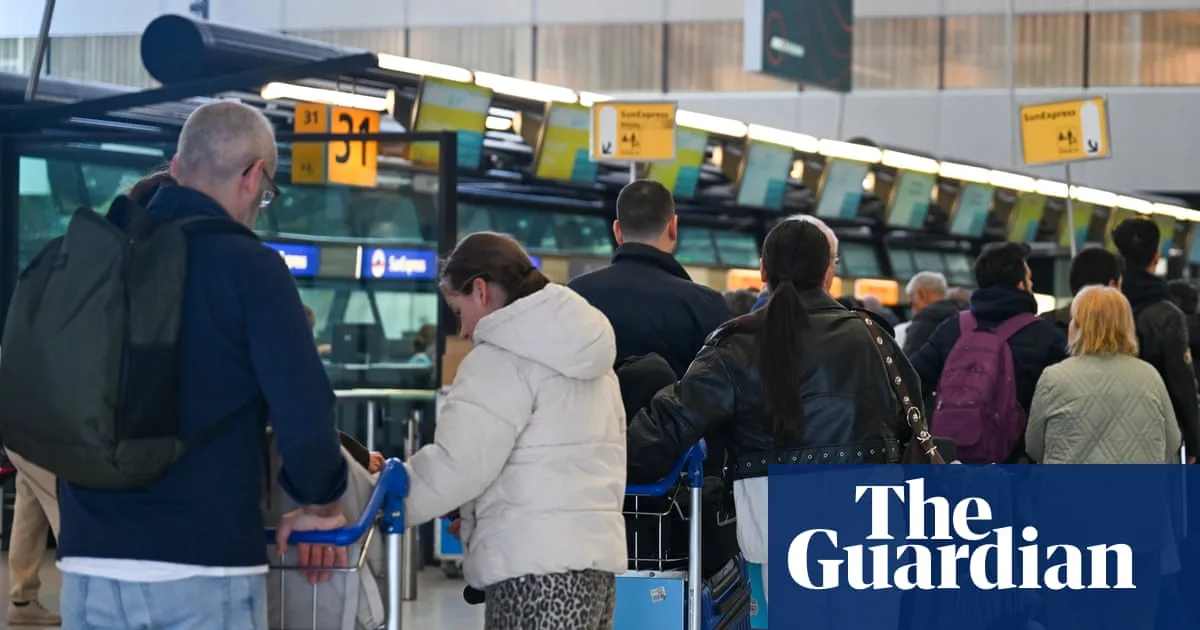
Airports Council International Europe revealed that the EES system has increased waiting times at borders by up to seventy percent, leading to three-hour queues during peak travel periods. As the new Entry/Exit System is rolled out across twenty-nine destinations, long queues have already been observed at travel hubs grappling with the processes.
Impacted Travel Hubs and Expert Recommendations
Hubs in Germany, France, Iceland, Greece, Italy, Spain, and Portugal have been particularly affected. Travellers typically allocate a couple of hours to navigate through airports, but Julia Lo Bue-Said, CEO of the travel business network Advantage Travel Partnership, is urging holidaymakers to leave at least four hours spare.
She recommends that those travelling on connecting routes allow long layovers between connections to avoid missing subsequent flights. Julia also cautions that holidaymakers who have already uploaded their data and biometrics onto the system will still need to join the non-EU passport queue alongside first-time travellers undergoing the process.
"Since the implementation of EES first began in October last year, we've already seen instances of significant delays at different airports and at different times," she explains, noting that delays vary based on the time of day and traffic levels. The travel expert further urges travellers to stay updated via their airline and airport regarding queue busyness and how to manage journey delays due to the system.
"Make sure you've got some refreshments and something to keep small children occupied," she adds. Julia also highlighted that tourists should monitor the launch of the EU's new ETIAS visa waiver programme, expected between October and December 2026 if the EES rollout is successful.
Future Developments and Traveller Experiences
Through ETIAS, citizens of over sixty visa-exempt countries will need to apply for pre-travel authorisation. The waiver will be valid for three years or until the associated passport expires. Julia noted, "The cost is currently set to be €20 (£17), although this has already increased from when it was first announced." Alternatively, author and travel expert Ash Bhardwaj simply recommends obtaining a European passport if possible to bypass the queues.
"If you're eligible for a European passport, just get one," he says, adding that any delays should improve with time. The biometric system requires fingerprints and photos from non-EU nationals, including UK citizens, entering Schengen Area countries.
Traveller Testimonies and Industry Concerns
Many individuals have shared their "nightmare" experiences with the new system. Jack Howes described it as a "disaster" during his recent trip through Almeria Airport, recounting how an assistant said, "It's s**t but you have to keep trying." After four rejections by the machine, he was directed to a manual checkout, but no one was working there, so he eventually proceeded to the gate, which allowed him through.
Another traveller posted on X, stating, "Holy c**p the new EES passport system is a nightmare. Two hours at arrival at Krakow. 90 minutes on departure. Give yourself plenty of time if you’re travelling around Europe." Someone else revealed they were reconsidering their travel plans due to the new process, explaining, "Rethinking my holiday/travel plans for this year and next, having been to Prague in Jan and Krakow this month. The European entry/exit system (EES) was a nightmare - both going in and out. Despite the very best efforts of the excellent staff at both airports. Hours queuing."
Another traveller did not leave enough time for their connection and EES delays, posting, "Gave myself 1hour+ time from landing (8am) to connection (9:24). Wasn't enough! The line to the machine then to immigration is a nightmare! Wasn't like this pre-EES. Had to pay €100+ for the new tix."
Regulatory Flexibility and Systemic Issues
The automated IT system was first launched in October 2025, but airports and ports initially had until April 2026 to fully implement the technology as a mandatory requirement. However, last month, the EU decided to grant twenty-nine participating countries a more flexible timeline for the system's introduction until early September.
Aviation bodies have written to Magnus Brunner, the EU commissioner for internal affairs and migration, demanding immediate action to prevent "excessive" delays resulting from the rollout. They warned, "Failing immediate action to provide sufficient flexibility, severe disruptions over the peak summer months are a real prospect, with queues potentially reaching four hours or more."
They highlighted three core issues compounding EES delays: "chronic" understaffing at border control, "unresolved" technical malfunctions, and the "very limited uptake" of the Frontex pre-registration app by Schengen states. The Frontex app would allow passengers to complete additional checks prior to arrival at the border.
Contrasting Perspectives and Future Measures
According to the Independent, the European Commission insists the new system is operating "largely without issues." But in a joint statement, ACI Europe, IATA, and A4E said, "There is a complete disconnect between the perception of the EU institutions that EES is working well, and the reality, which is that non‑EU travellers are experiencing massive delays and inconvenience. This must come to an end immediately. We need to be realistic about what will happen during the peak summer months, when traffic at Europe’s airports doubles."
They further warned that the rollout of EES must be "flexible to react to operational realities" and "safeguard the reputation of the EU as an efficient, welcoming and desirable destination." To minimise travel chaos over the summer, the group hopes the European Commission will allow Schengen member states to partially or totally suspend EES until the end of October.
Lisbon airport reinforced its staff with soldiers trained as border guards to reduce waiting times after security flaws led to the suspension of the European Entry Exit System digital border rollout earlier this year. In January, twenty-four members of the National Republican Guard were stationed in the arrivals area at Humberto Delgado Airport, a measure approved by the government.
Upcoming ETIAS Programme
Once the EES process is introduced, a new European Travel Information and Authorisation System (ETIAS) is expected to be implemented. It requires tourists from visa-exempt, non-EU countries like the UK, Australia, the US, and Canada to complete an online application costing €20 (£17.50) to enter thirty different countries.
This involves providing personal details, answering security questions, and paying the fee before travelling to any of the thirty destinations. The charge will be waived for children under eighteen and adults over seventy, but they will still need to apply for authorisation. Once ETIAS is approved, holidaymakers can enter these spots repeatedly for up to ninety days in a 180-day period. The new system is expected to be introduced in late 2026 and will not be mandatory until 2027.




