

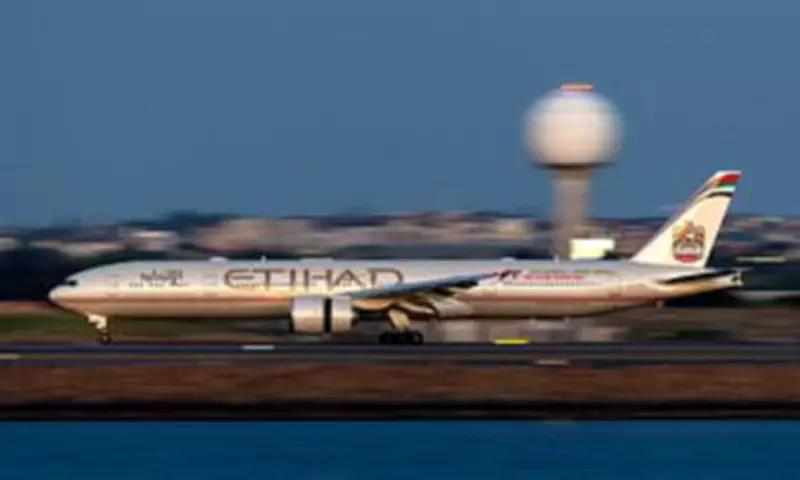
Etihad Airways Launches Massive 50% Fare Sale Amid Middle East Turmoil
As the ongoing conflict in the Middle East continues to disrupt global aviation, causing widespread concerns over jet fuel shortages, flight safety, and escalating ticket prices, one major airline is bucking the trend with an unprecedented discount offer. Etihad Airways, headquartered in Abu Dhabi, has slashed its prices by a staggering 50 per cent for routes departing from the United Kingdom to multiple long-haul destinations, sparking a fierce price war with rival carriers.
Record-Breaking Deals on Long-Haul Routes
The sale encompasses journeys to Tokyo, Singapore, Sydney, Hong Kong, Bangkok, and the Maldives, with some fares dropping to their lowest levels ever. For instance, a return economy flight from London to Sydney, with a layover in Abu Dhabi, is now available for as little as £688.09 per person when travelling on May 28 and returning on June 4. This represents a fraction of the cost charged by competitors; British Airways offers the same route via Singapore for £1,810.89, while Emirates' best rate via Dubai is £1,023.04.
In business class, the disparity is even more pronounced. Etihad provides a return ticket for £3,598.49, compared to British Airways' £9,185.39 and Emirates' £5,472.88. According to reports from The Times, some of Etihad's current prices are even lower than those seen during the pandemic, marking a significant departure from the industry-wide trend of rising fares.

Strategic Move to Fill Seats and Revive Travel
An Etihad executive explained the rationale behind the aggressive pricing strategy, stating, "As soon as travel picks up, we want to be back to flying planes 100 per cent full in all cabins, as we were before the conflict. These prices will help." The airline aims to capitalise on bargain-seeking travellers, with discounted flights available from next month until June, after which prices are expected to increase in July.
Henry Harteveldt, an aviation analyst at Atmosphere Research, noted that Etihad's approach is "not unusual," drawing parallels to similar tactics employed by American airlines after the 9/11 attacks to encourage bookings. He further predicted, "Despite what they may say now, I expect Etihad's competitors will respond," hinting at a potential escalation in the price war.
Contrasting Industry Responses to Rising Costs
While Etihad cuts fares, many other airlines are grappling with the financial pressures exacerbated by the Middle East conflict. JetBlue, for example, has increased its checked baggage fees, citing "rising operating costs." Off-peak flights now charge $39 (£29.50) for the first piece of luggage, up from $35 (£26.50), with peak-time fees rising to $49 (£37.10) from $40 (£30.30). A spokesperson emphasised that such adjustments are necessary to maintain competitive base fares while investing in customer experience.
Beyond baggage fees, the aviation industry faces broader challenges. Former airline captain Emma Henderson MBE warned of potential jet fuel shortages, suggesting supplies could reach critically low levels. Cruise lines like StarCruises and Dream Cruises have also introduced new fuel surcharges for bookings from March 2026 onward, attributing the move to "recent geopolitical developments in the Middle East" that have driven up oil prices.
Global Airline Reactions to Fuel Price Surges
The surge in jet fuel prices, linked to tensions in the Middle East, has prompted varied responses from airlines worldwide. Air France-KLM plans to increase long-haul ticket prices by 50 euros (£43.60) per round trip, while Air New Zealand has suspended its full-year earnings forecast and raised fares on domestic and international routes. Cathay Pacific will implement higher fuel surcharges from April 1, with regular reviews every two weeks.
In contrast, British Airways owner IAG has hedged much of its fuel for the short-to-medium term, allowing it to avoid immediate price hikes. However, other carriers like SAS have cancelled hundreds of flights due to high fuel costs, and United Airlines is cutting unprofitable routes while raising fares without significantly impacting bookings. This dichotomy highlights the complex landscape airlines navigate as they balance operational costs with competitive pricing in a volatile market.

Etihad's bold discounting strategy not only offers travellers rare bargains but also sets the stage for a dynamic shift in airline pricing dynamics, as the industry contends with the far-reaching effects of geopolitical instability on global travel.





