UK Travellers Encounter Delays at Major European Airports with New EES Border Checks
British holidaymakers and business travellers are facing substantial delays at some of Europe's busiest airports as new Entry/Exit System (EES) border checks come into effect. This automated system, designed to register non-EU nationals, is causing longer wait times and operational challenges at key hubs across the continent.
Impact on Busiest Airports Across Europe
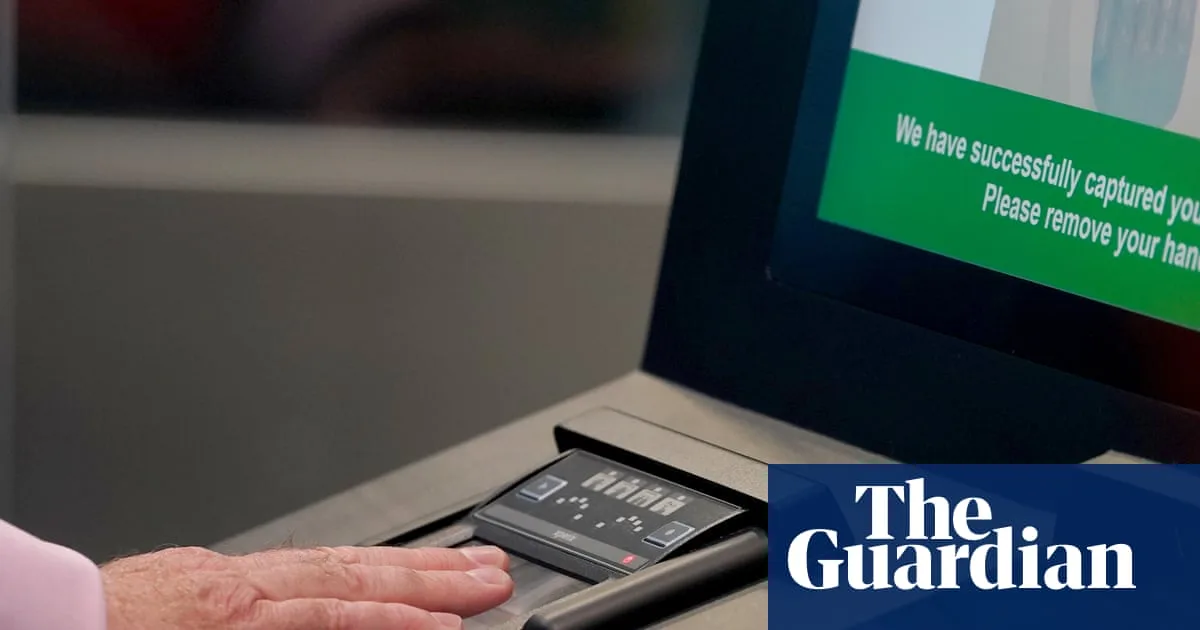
The implementation of EES checks is particularly affecting airports with high volumes of UK passengers. Major airports in France, Spain, Italy, and Germany are reporting increased processing times as travellers undergo mandatory registration, including fingerprinting and facial recognition. This has led to congestion at border control areas, with some airports struggling to manage the influx during peak travel periods.
Delays are most pronounced at airports like Charles de Gaulle in Paris, Barcelona-El Prat, and Rome Fiumicino, where British tourists frequently travel for holidays and short breaks. The new checks are part of broader EU efforts to enhance border security, but they have inadvertently created bottlenecks that disrupt travel plans.
Challenges for British Passengers Post-Brexit
Since Brexit, UK citizens are treated as third-country nationals by the EU, making them subject to these enhanced border procedures. The EES system aims to track entry and exit dates to prevent overstays, but its rollout has been marred by technical issues and insufficient staffing at some airports.
Travellers have reported wait times extending by up to an hour or more, causing missed connections and added stress. This is especially problematic for families and elderly passengers who may find the new biometric processes cumbersome. Airports are advising passengers to arrive earlier than usual to accommodate the extra time needed for border clearance.
Operational Adjustments and Future Outlook
In response to the delays, some airports are increasing staff numbers and deploying additional kiosks to streamline the EES process. However, experts warn that these measures may not fully resolve the issues until the system becomes more integrated and travellers grow accustomed to the new requirements.
- Longer processing times at border control
- Increased congestion during peak travel seasons
- Advice for travellers to allow extra time
- Potential improvements as systems mature
The situation highlights the ongoing adjustments in UK-EU travel relations post-Brexit, with border checks becoming a new normal for British passengers. While intended to bolster security, the EES rollout underscores the practical challenges of implementing such systems at scale, affecting millions of travellers annually.