

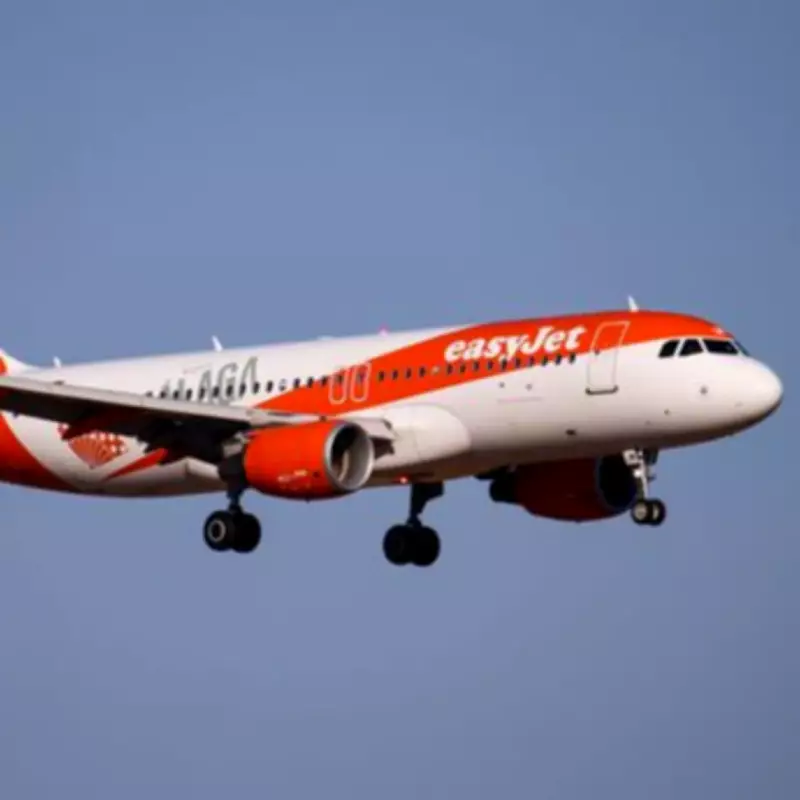
An EasyJet flight operating over the United Kingdom declared a mid-air emergency this morning, prompting a swift diversion to Manchester Airport. The aircraft, originally en route to Edinburgh Airport, was compelled to alter its course due to severe high winds encountered during its journey.
Emergency Declaration and Rapid Response
The crew onboard the EasyJet flight made the critical decision to declare an emergency while airborne over UK airspace. This declaration triggers immediate priority handling from air traffic control and emergency services on the ground, ensuring a safe and coordinated response.
Aviation protocols mandate that such emergencies are treated with utmost urgency, involving real-time communication between the cockpit and ground teams to assess risks and execute diversion plans efficiently.

Diversion to Manchester Airport
Instead of continuing to its intended destination at Edinburgh Airport, the aircraft was redirected to Manchester Airport. The diversion was necessitated by the challenging weather conditions, particularly the strong winds that posed potential hazards to a safe landing in Edinburgh.
Manchester Airport, equipped with full emergency services and capable of handling unexpected arrivals, served as the designated alternate airport. The flight landed safely at Manchester, where it was met by airport authorities and emergency personnel as a standard precaution following the emergency declaration.
Weather Impact on Aviation
High winds are a significant factor in aviation safety, often leading to flight delays, cancellations, or diversions. In this instance, the severity of the winds over the UK airspace was deemed sufficient to warrant an emergency response and a change in the flight plan.
Pilots are trained to prioritize passenger and crew safety above all, making decisions based on real-time weather data and aircraft performance capabilities. The diversion to Manchester underscores the importance of having robust contingency plans in place for adverse weather scenarios.
Passenger and Operational Aftermath
Following the safe landing, passengers were disembarked and attended to by airline staff. EasyJet is expected to arrange alternative travel arrangements for those affected, including rebooking on subsequent flights to Edinburgh or providing accommodations as necessary.
The incident will likely be reviewed by aviation authorities to ensure all procedures were followed correctly and to identify any lessons that can enhance future safety measures. Such reviews are standard practice in the aviation industry to maintain high safety standards.
This event highlights the unpredictable nature of air travel and the critical role of crew training and emergency protocols in ensuring safety during unforeseen circumstances.






