
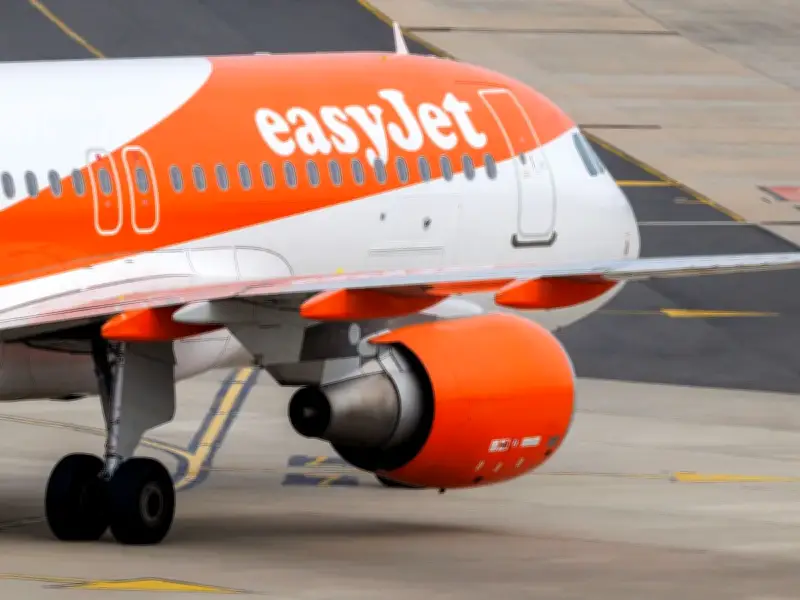
EasyJet chief executive Kenton Jarvis has advised passengers to book early to secure the best value fares as rising fuel costs tied to the Iran war pressure prices. The warning came as the airline reported a sharp drop in annual profits, with an additional £244 million in fuel expenses.
Profits plunge on fuel costs
In the year to September 30, statutory pre-tax profits fell 96 per cent to £24 million, down from £658 million the previous year. Headline pre-tax profits dropped 89 per cent to £71 million. The airline's jet fuel bill rose 11 per cent, or £244 million, over the year, with £211 million of that increase occurring in the second half alone.
Jarvis told reporters: "Once you book, that price is locked in but obviously, the pressure on fares will come from this increased fuel environment. We have great value fares, so you know, book early would be the advice there." He warned that fuel costs would put "a lot of pressure on fares" but believed they were "unlikely" to rise by 20 per cent and remain up by 20 per cent.
Impact of Middle East conflict
The Luton-based airline said the Iran war, which began in February, led to "weakened consumer demand for a prolonged period" as the conflict pushed up wholesale energy and fuel costs. Jarvis noted: "The demand dropped after the 28th of February when the war started for about eight to 10 weeks. So for eight to 10 weeks, we saw a drop in demand, and then as the late period started coming in, so we started entering summer, so May time onwards, we saw a strengthening in the kind of bookings, and we did have a good strong late market throughout the summer, it was just insufficient to cover the lost revenue from that period immediately after the onset of the war."
The airline said its revenue per available seat kilometre (Rask) fell 2 per cent during the year, down 3 per cent in the final six months, but expects this to "sequentially improve through each quarter" of the next financial year. It attributed the sharp second-half drop to "the effect of the drop in the demand environment seen in the months immediately following the start of the conflict."
Takeover and cost savings
EasyJet's package holiday arm performed better, with pre-tax profits rising to £266 million from £250 million, though this did not offset the airline division's losses. The company is on track for its £5.7 billion private equity takeover by Apollo to complete in the first quarter of next year, after shareholders approved the deal on 11 November.
Jarvis said: "This year was challenging for airlines due to the Middle East conflict and its effect on demand and fuel prices, which materially impacted our financial performance." He added: "The recommended acquisition of easyJet, approved by shareholders on 11 November, reflects the quality of our business, and the underlying drivers of long-term financial performance."
The group is targeting around £250 million in cost savings over the next two financial years as it modernises its fleet. Richard Hunter, head of markets at interactive investor, said: "EasyJet would have wished to be checking out flying high, but these results are unfortunately far from its finest hour. The conflict in the Middle East has taken a heavy toll, most obviously on fuel costs, but also on demand."




