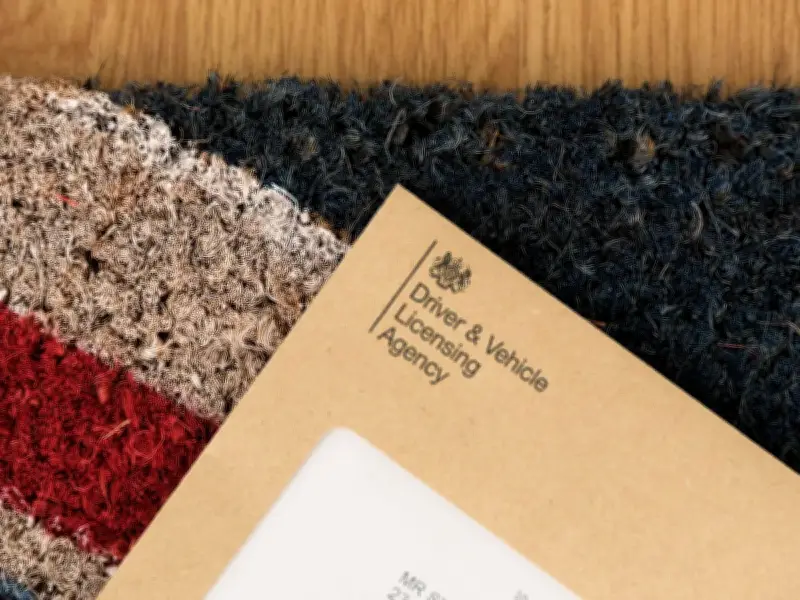
The DVLA has reminded motorists they can set up a free system to receive vehicle tax reminders, helping them avoid the costly consequences of driving an untaxed vehicle.
Vehicle owners who fail to tax their cars properly can face fines of up to £2,500 and may risk losing their licence. The Driver and Vehicle Licensing Agency (DVLA) offers a free-to-use service that sends a reminder when tax renewal is due, prompting drivers to take action before they are caught out.
Posting online, the DVLA said: "Do you know when your vehicle tax is due? With a Driver and Vehicles account, you can choose to receive vehicle tax reminders by text or email. Make life a little easier. It only takes around five minutes"
How vehicle tax supports public services
Vehicle tax, often called road tax, helps the government fund broader national and local priorities. This includes Department for Transport infrastructure (major roads, smart motorways, bridges), public transport, and council-managed local road maintenance.
Penalties for driving an untaxed vehicle
If an untaxed vehicle is spotted parked on or driving on a public road via ANPR cameras, police, or DVLA enforcement vans, the penalties may result in criminal offences. Initially, the DVLA sends an Out-of-Court Settlement (OCS) letter, allowing the matter to be settled without going to court.
If the OCS is ignored or refused, the case goes to a magistrates' court where fines can rise up to £2,500 or five times the tax chargeable, whichever is greater. DVLA wheelclamping contractors, local authorities, and the police can clamp and remove untaxed vehicles parked on public roads, incurring costs of up to £280.
Driving without tax is a non-endorsable offence, meaning it does not add penalty points to the licence. However, driving without valid tax can invalidate car insurance, which separately carries a £300 fixed penalty and six penalty points, or an unlimited fine in court.
Who is exempt from vehicle tax
Almost every driver in the UK must tax any vehicle they drive or keep on public roads. Certain vehicles are exempt from paying a fee, including cars over 40 years old, vehicles used by disabled drivers, and electric vehicles under specific historical rules, but they must still be officially registered or taxed for zero cost.
If a vehicle is kept off public property, such as in a private garage or driveway, owners can submit a Statutory Off-Road Notification (SORN), meaning they do not have to pay vehicle tax.