Train passengers face rail misery this week because of track issues caused by the drought and hot weather. Network Rail said amended timetables are being introduced from tomorrow (August 25) on the c2c route between Shoeburyness in Essex and London as well as some Greater Anglia services in Essex after a summer of record-breaking heatwaves.
Clay shrinkage causes track problems
The rail infrastructure body said sustained hot weather and low rainfall have caused clay underneath long stretches of the railway in Essex to dry out and shrink, causing issues with the quality of the track.
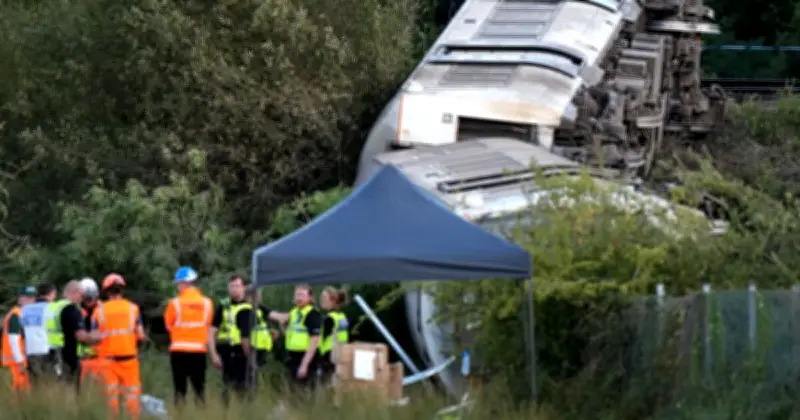
It comes after two trains derailed during the heatwave earlier this month, including a Greater Anglia train near Wickford, Essex, and another service at Lewes, East Sussex, where two passengers were seriously injured.

Safety measures and timetable changes
Investigators have ruled nothing out when it comes to the possible causes of both derailments, but officials have acknowledged hot weather has posed a series of challenges.
Martin Beable, Operating Officer for Great British Rail Anglia, said: "We’re taking action to keep everyone moving safely and reliably while minimising the impact on passengers."
"Our teams are working together across Anglia to keep running the best possible service despite the significant challenges we’re facing because of this exceptionally hot and dry weather. We never want our customers to experience disruption, but safety will always be our priority."
He urged rail-users to check before travelling, particularly if used to getting the same time train every day.
Extended journey times and repair work
The changes, which will last until next Tuesday (September 1), mean some journeys will take between two to eight minutes longer than usual with adjusted departure and arrival times.
Affected services include c2c trains between London from Shoeburyness and the Greater Anglia line between Southend Victoria and London, which are both key commuter routes for those travelling between the capital and Essex.
After the derailments, Martin Frobisher, Group Safety and Engineering Director at Network Rail, said there was lots that can be done to make the railway more resilient.
Network Rail said there is a programme underway to protect the railway from extreme weather and climate change which is supported by a £2.6billion investment in track maintenance and renewals. The company said it is undertaking extra engineering work to minimise the effects of dried-out soil along the Greater Anglia route.
This includes using machines called tampers to create a solid foundation for the smooth running of trains and putting down new ballast to help raise the level of the track.
Following the derailment on August 14, passengers who want to travel through Wickford are currently being advised to do so only if their journey is essential while repair work continues.
The Met Office has said the UK is on course for its hottest summer on record after five heatwaves swept the country with temperatures of up to 38.1C recorded in the south east. Hot weather has coincided with extremely dry conditions, with drought declared in nearly three quarters of England and the whole of Wales.