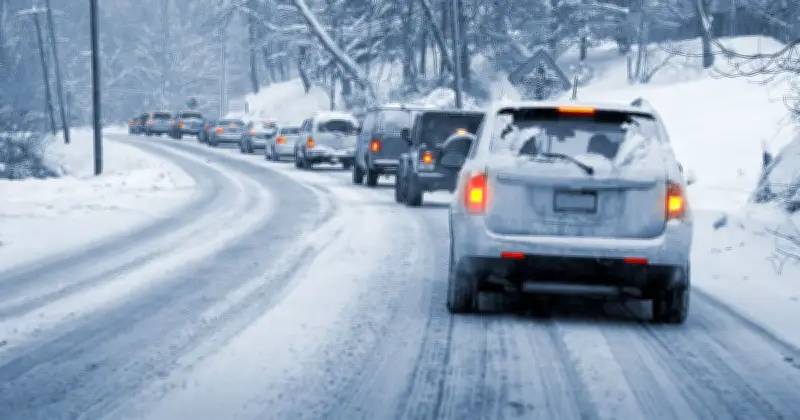
Drivers are being urged to carry out a simple tyre tread check using a 20p coin before getting behind the wheel this December, as part of essential winter vehicle checks recommended by the RAC and shared by the Met Office.
With motorists expected to take to the roads over the festive period to visit family and friends, go Christmas shopping and enjoy seasonal celebrations, experts have highlighted the importance of ensuring vehicles are ready for wet, icy and potentially snowy conditions. The advice comes as the Met Office forecasts colder-than-average temperatures across parts of the UK in early December, suggesting that colder and drier-than-average conditions could develop this winter, with the El Niño weather phenomenon among the factors influencing the UK's outlook and raising the prospect of freezing temperatures and potentially icy roads.
How to check tyre tread with a 20p coin
Well-maintained tyres are essential for providing traction and grip on icy and wet roads, helping motorists stay safe during winter journeys. The legal minimum tyre tread depth for cars in the UK is 1.6mm across the central three-quarters of the tyre's width and around its entire circumference.
Drivers should place the coin into the main tread grooves of their tyres. If the outer band of the coin cannot be seen, this indicates the tread is above the legal minimum. However, if the outer band remains visible, the tyre may be below the legal limit and should be checked more thoroughly using a tread-depth gauge.
The RAC recommends checking tyres every fortnight and before longer journeys. It also advises motorists to consider replacing their tyres before they reach the legal minimum, ideally maintaining at least 3mm of tread in icy or very wet conditions. Drivers should also check their tyre pressures, with the recommended levels usually found in the vehicle handbook or inside the driver's door.
Six winter checks drivers should make
Alongside tyre checks, the RAC recommends several other simple precautions to help motorists prepare their vehicles for colder weather and reduce the risk of breakdowns.
Fuel: Drivers should make sure they have enough fuel before setting off, particularly when travelling longer distances. Heavy traffic and stop-start driving can increase fuel consumption, while unexpected delays caused by winter weather could leave motorists on the road for longer than anticipated.
Oil: Motorists should check their engine oil level using the dipstick and top it up if necessary. The RAC advises consulting the vehicle handbook to ensure the correct oil is used and warns against overfilling, which can cause further problems.
Rubber: As well as checking tyre tread depth and pressure, drivers should inspect their windscreen wipers. Rain, snow, ice and road salt can make windscreens particularly dirty during winter, making good visibility essential. Motorists should check that their wipers clean the windscreen effectively and inspect the blades for splits or damage. Replacing wiper blades every 12 months is recommended.
Coolant: Drivers should check that their engine coolant is between the minimum and maximum markings on the tank, topping it up where necessary. However, the RAC warns that coolant should only be checked when the engine is cool to avoid the risk of scalding. If coolant levels suddenly drop, motorists should have their vehicles inspected at a garage, as this is not considered normal.
Electrics: Lights and indicators should be checked to ensure they are working correctly, with faulty bulbs or fuses replaced where necessary. Battery problems are also a major cause of winter breakdowns, with the RAC reporting that they account for more call-outs during the colder months than any other issue. Drivers are advised to have their batteries checked during vehicle servicing.
Screenwash: Motorists should ensure their screenwash is topped up with a product effective down to at least -15C. This helps keep windscreens clear of dirt, ice and the grime left behind by road gritting and salting, which can affect visibility during winter journeys.
What drivers should keep in their cars this December
The Met Office also recommends putting together a basic winter car kit before cold weather arrives, particularly for motorists planning longer journeys over Christmas. Suggested items include an ice scraper and de-icer, jump leads, reflective warning triangles, sunglasses, an in-car phone charger, a portable battery charger and a blanket. Having these items available could prove particularly useful if motorists experience delays or a breakdown during winter journeys. Drivers can find further advice on preparing their vehicles for colder conditions on the Met Office website.