UK Drivers Abandon Cars for Walking and Cycling as Fuel Prices Soar
Drivers Switch to Walking and Cycling Amid Fuel Price Crisis

UK Drivers Abandon Cars for Walking and Cycling as Fuel Prices Soar

A new survey has uncovered a significant shift in British travel habits, with drivers increasingly ditching their cars in favour of walking and cycling. This change comes as fuel prices have skyrocketed since the onset of the Iran war, creating a pressing cost-of-living crisis for motorists across the nation.

Survey Reveals Widespread Behavioural Change

The YouGov poll, commissioned by the charity Cycling UK, surveyed 2,099 UK adults between 31 March and 1 April 2026. It found that almost one-third of British drivers are now choosing to walk or cycle more frequently in direct response to the soaring fuel costs. Additionally, a further 15 per cent of motorists are actively considering making the switch to these forms of active travel.

Driving less and increasing walking or cycling emerged as a more common response to current financial pressures than other measures. These alternative strategies included going out less frequently, which was reported by 27 per cent of respondents, using public transport instead of driving at 23 per cent, cutting back elsewhere to afford fuel at 19 per cent, and car-sharing at just 9 per cent.

Wide Pickt banner — collaborative shopping lists app for Telegram, phone mockup with grocery list

Fuel Prices Remain Elevated Despite Recent Dip

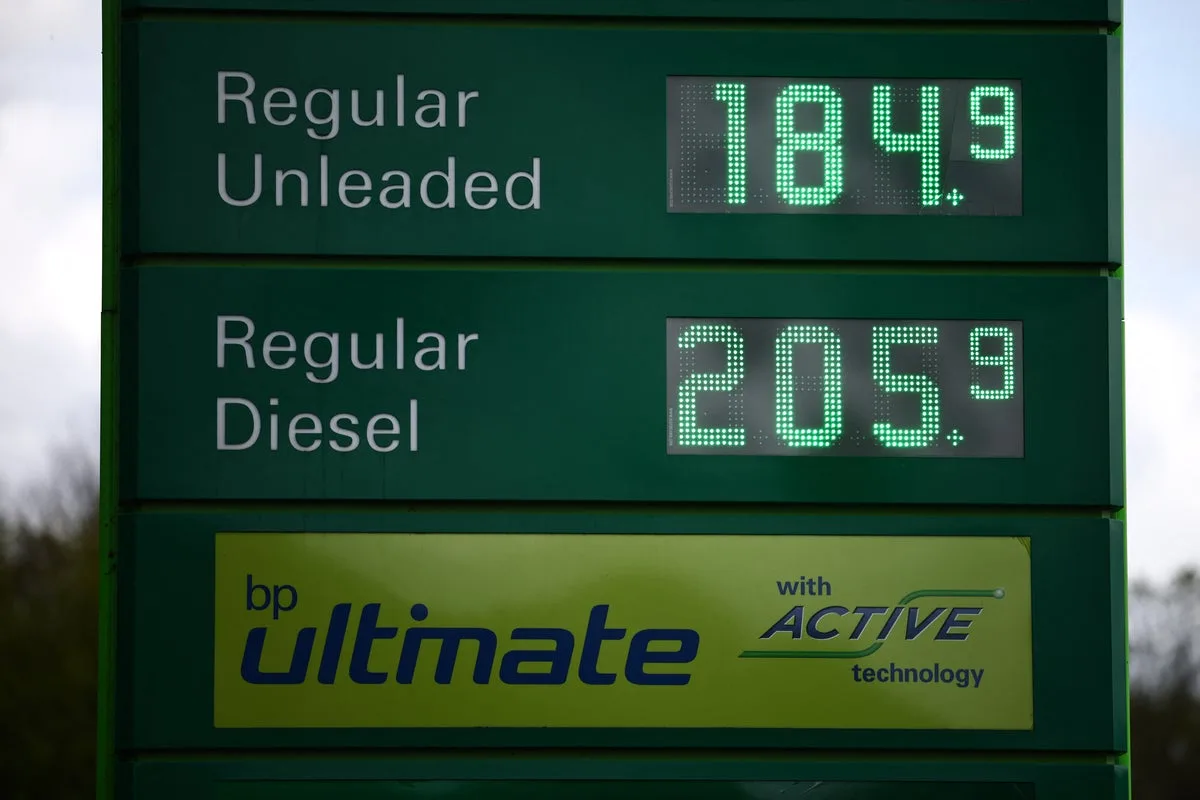
The findings come as petrol and diesel prices continue to remain significantly higher than before the conflict in the Middle East began. The conflict was triggered by US and Israeli airstrikes on Iran on 28 February, leading to sustained price increases. Although there has been a slight recent dip, a litre of petrol is still 25p more expensive, and diesel 49p more, compared to pre-conflict levels.

This persistent elevation in fuel costs is driving the behavioural changes observed in the survey, highlighting the direct impact of geopolitical events on everyday consumer decisions.

Charity Calls for Government Action

In light of these trends, Cycling UK is urging the UK and devolved governments to implement an urgent package of measures designed to facilitate greater walking and cycling. The charity suggests initiatives such as financial support to improve access to bicycles and e-bikes, alongside efforts to enhance the safety of local roads for pedestrians and cyclists.

Sarah Mitchell, chief executive of Cycling UK, emphasised the necessity for affordable travel options in the current economic climate. She stated: "People need to travel and they need to be able to do this affordably. That includes alternatives to driving, particularly for those who simply won’t be able to keep up with rising costs."

Ms Mitchell added that such measures would "protect people who would otherwise be exposed to rising fuel costs when a crisis like this hits, and allows people to continue making their everyday journeys." This call to action underscores the broader need for sustainable and cost-effective transport solutions amidst ongoing financial pressures.

Broader Implications for Transport and Economy

The shift towards active travel has several potential implications:

  • Health Benefits: Increased walking and cycling could lead to improved public health outcomes.
  • Environmental Impact: Reduced car usage may contribute to lower emissions and better air quality.
  • Economic Strain: The ongoing fuel price crisis continues to burden households, forcing many to reconsider their travel habits.

As the situation evolves, monitoring these trends will be crucial for policymakers and communities alike, ensuring that transport systems adapt to meet the changing needs of the population.

Pickt after-article banner — collaborative shopping lists app with family illustration