

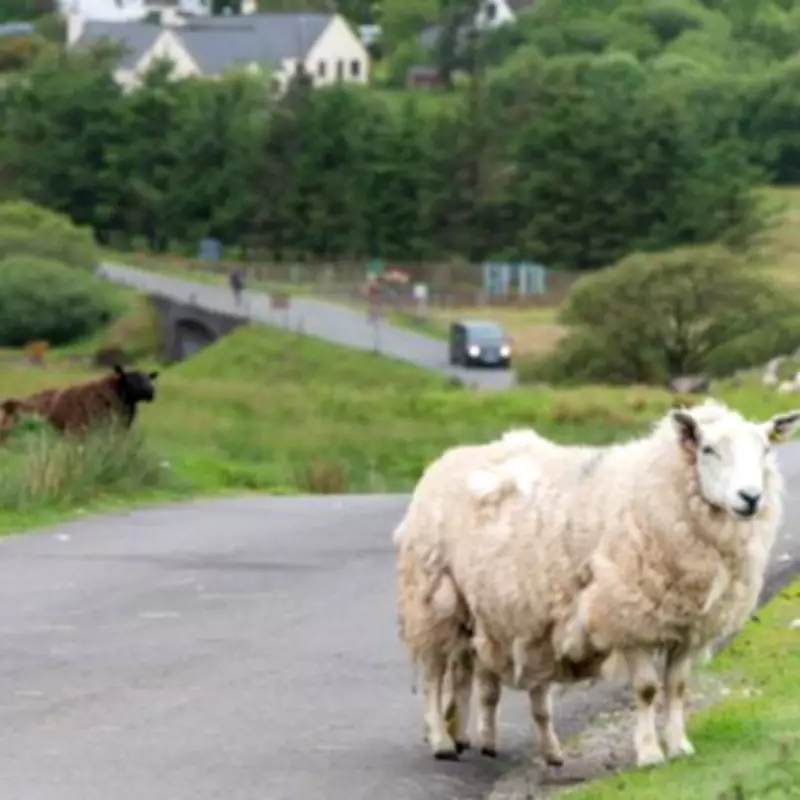
UK Drivers Face Severe Penalties for Failing to Report Animal Collisions
British motorists are risking substantial fines, penalty points, and even prison sentences by failing to report road accidents involving specific animals, according to alarming new research. A comprehensive study conducted by dash cam manufacturer Nextbase has uncovered widespread confusion among drivers regarding their legal obligations under the Road Traffic Act.
Widespread Ignorance of Legal Requirements
The investigation reveals that nearly half of all UK drivers cannot correctly identify which animals they must legally report to police following a collision. This knowledge gap exposes motorists to potential penalties of up to £5,000, alongside driving license points and possible imprisonment for non-compliance.
When presented with the list of eight animals requiring mandatory reporting, drivers demonstrated significant confusion:

- 37% were unaware that collisions with horses must be reported
- 42% did not know about the requirement to report injured dogs
- 56% would fail to report hitting a sheep
- 75% would not report collisions involving pigs
Perhaps most concerning, 13% of drivers surveyed believed they had no obligation to report hitting any animal whatsoever, highlighting a critical gap in public understanding of road safety legislation.
The Eight Animals Requiring Mandatory Reporting
Under current UK law, drivers must immediately report accidents involving the following eight animals: dogs, horses, cattle, pigs, goats, sheep, donkeys, and mules. Notably absent from this list are cats, which do not require police notification despite being common domestic pets.
Bryn Brooker, Head of Road Safety at Nextbase, emphasized the seasonal nature of animal encounters: "Spring and summer bring a genuine surge in animal encounters on UK roads, from deer and foxes seeking water in the heat, to young birds learning to fly, to insect swarms that can appear from nowhere. This research tells us that most drivers care deeply about animals, but simply don't know what the law requires them to do."
Dangerous Driving Responses to Animal Encounters
The research uncovered potentially hazardous driving behaviors when animals appear on roadways. When asked how they would respond to an animal suddenly running into the road at 40mph, a quarter of drivers admitted they would swerve to avoid impact - a reaction that dramatically increases the risk of serious accidents.
"The most dangerous instinct is to swerve," Brooker warned. "Whether it's a horse running into the road, or a wasp in the car, sudden steering corrections at speed are far more likely to cause a serious accident than the animal itself. The correct response in almost every situation is the same: stay calm, brake firmly in a straight line, and pull over when it's safe to do so."
Additional Hazards Beyond Roadside Animals
The danger extends beyond animals crossing roads. As warmer weather arrives, insects become more active, with wasps presenting particular hazards when they enter vehicles. The research found that only 35% of drivers would respond correctly by slowing down and pulling over safely if a wasp flew into their car on a motorway.
Nearly one-third of motorists said they would simply ignore the insect and continue driving, while 18% admitted they would attempt to remove it without stopping - both responses that significantly increase accident risks.
Expert Advice for Safe Animal Encounters
Nextbase has issued comprehensive guidance for drivers encountering animals on UK roads:

- If an animal runs into the road: Brake firmly in a straight line without swerving. A controlled emergency stop provides the best chance of avoiding impact while maintaining vehicle control.
- If an insect enters your vehicle: Remain calm and maintain focus on the road. Remember that a sting poses far less danger than a collision. Only attempt to deal with the insect after safely pulling over.
- If you hit an animal: Stop as soon as safely possible. Check whether the animal is one of the eight requiring mandatory reporting and contact police if necessary. For other animals, responsible drivers should contact the RSPCA.
- During spring and summer: Increase vigilance near hedgerows, verges, water sources, and wooded areas where animals are more active and likely to cross roads.
- Consider dash cam installation: Footage provides vital evidence for insurance claims or legal disputes following animal encounters on the road.
The research serves as a crucial reminder that while animal welfare concerns many drivers, understanding and complying with legal requirements remains essential for both road safety and avoiding severe penalties.





