

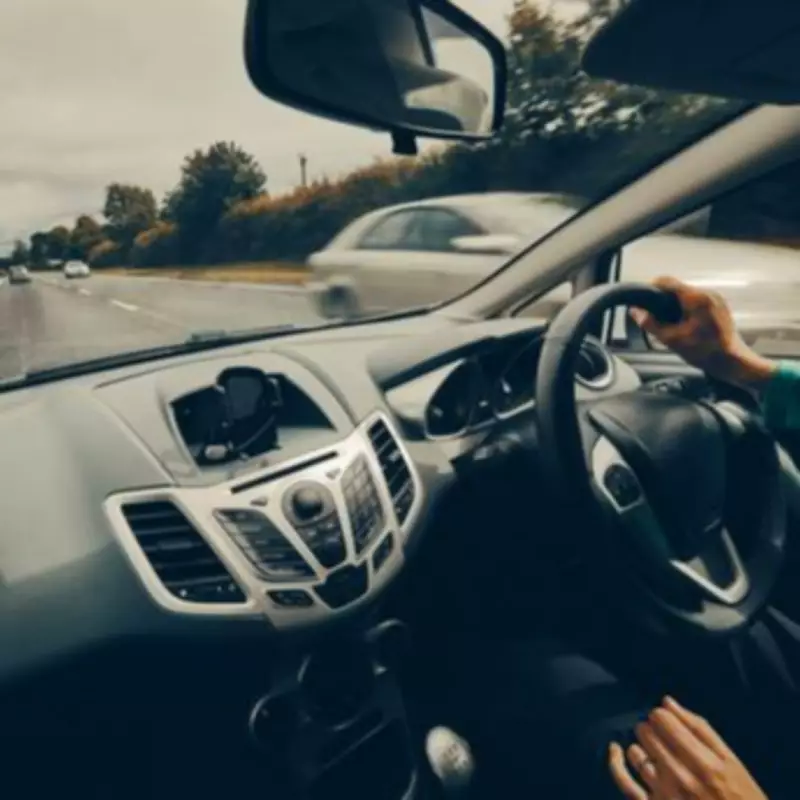
Cruise Control Warning: RAC Reveals When Common Button Wastes Fuel
As petrol prices continue to climb amid the ongoing cost of living crisis, drivers across Britain are urgently seeking methods to reduce their fuel expenditure. The RAC has now issued crucial guidance, warning that pressing a common button in your car—cruise control—can sometimes work against fuel economy rather than improve it.
The Context: Rising Prices and Global Tensions
The situation in the Middle East, a significant source of global oil, has worsened, causing anxiety among consumers as petrol prices are set to increase further. With the cost of a barrel of oil soaring to $100 (£75), some nations like Croatia and South Korea have implemented price caps to assist their citizens.
In the UK, where mains gas prices are also predicted to rise, motorists are exploring various strategies to economise while driving. These include optimising gear shifts and selecting appropriate gears, but attention has now turned to the potential pitfalls of using certain in-car features.

Understanding Cruise Control and Its Impact
Cruise control is designed to maintain a vehicle at a steady speed, activated by pressing a button inside the car. On paper, this seems sensible: a constant speed should theoretically consume less fuel than continual acceleration and deceleration.
However, Lawrence Allan, the RAC's automotive content editor, explains that this is not always the case. Cruise control can actually work against fuel efficiency on roads with fluctuating elevations.
"This is because your cruise control would be slower to react to gradient changes," Allan stated. "When reaching the brow of a hill—at which point you would normally take your foot off the accelerator to maintain more of a constant speed when descending—your cruise control will keep the power on for a little longer as it's unable to see the gradient change in front of you. Driving in this way regularly would lead to worse fuel consumption."
Expert Recommendations for Fuel-Efficient Driving
Despite this warning, Allan confirmed that motorways remain the most fuel-efficient roads due to their typically flat terrain and suitability for long journeys. For those trips, careful planning is essential.
AA president Edmund King has urged motorists to reconsider their travel habits in the coming weeks. "Our suggestion is that drivers should not change their refuelling habits, but can consider cutting out some non-essential journeys and changing their driving style to conserve fuel," he said.
Meanwhile, RAC head of policy Simon Williams offered additional practical advice: "We encourage drivers to continue filling up as normal, but to shop around for the best prices using apps like myRAC, as there can be big local differences between forecourts. Driving fuel efficiently by avoiding harsh accelerating and braking and ensuring tyres are inflated to the right pressures can help eke out every last mile and save money."
Key Takeaways for Drivers
- Avoid using cruise control on hilly or undulating roads to prevent unnecessary fuel consumption.
- Motorways are still the best option for fuel efficiency when cruise control is used appropriately.
- Reduce non-essential journeys and adopt a smoother driving style to conserve fuel.
- Use price comparison apps to find the cheapest petrol stations in your area.
- Maintain proper tyre pressure and avoid aggressive acceleration and braking.
As global tensions and economic pressures persist, these insights from the RAC and AA provide valuable guidance for drivers looking to navigate the challenges of rising fuel costs effectively.






