

Passengers are confronting a wave of additional cruise cancellations as leading maritime companies implement heightened safety measures in response to the escalating conflict involving Iran, with travel disruptions now extending into the winter of 2026/27. The ongoing hostilities have severely impacted key shipping lanes, prompting a significant restructuring of global cruise schedules.
Strait of Hormuz Closure Halts Maritime Traffic
Maritime traffic through the critical Strait of Hormuz has effectively dried up after Iran asserted "complete control" over the strategic waterway. This closure has created a logistical nightmare for cruise operators, forcing them to abandon planned routes and seek alternative destinations to ensure passenger safety and operational viability.
Cruise Lines Forced to Reroute and Cancel Itineraries
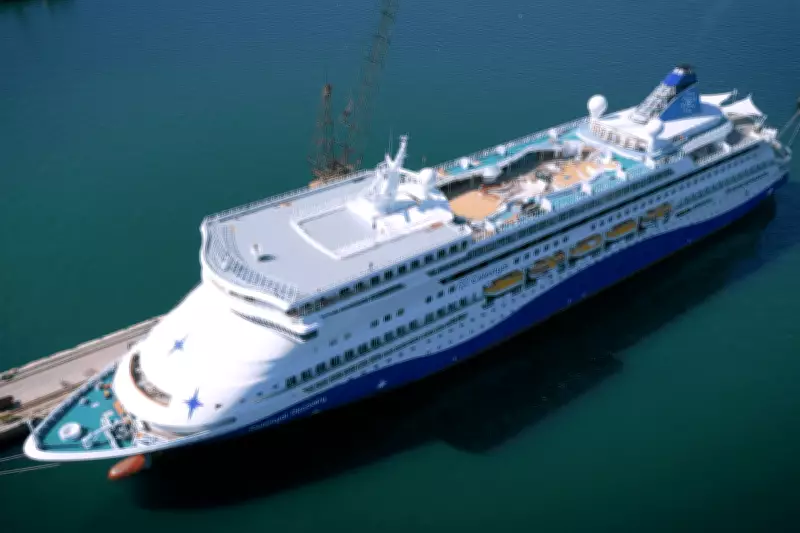
Cruise company Celestyal has been compelled to cancel its scheduled Greek island cruises for April 2026. The firm's vessels, Discovery and Journey, are currently stranded, unable to depart from ports in Dubai and Doha due to the impassable Strait of Hormuz. This unexpected immobilisation has left hundreds of passengers with disrupted travel plans and uncertain alternatives.

In a more extensive move, MSC Cruises has announced the cancellation of all Middle East itineraries for its flagship MSC World Europa. These voyages, originally planned from November 2026 through April 2027, have been scrapped entirely. Instead, the MSC World Europa will be redeployed to operate seven and fourteen-night routes around the French Antilles and various Caribbean islands, offering a safer and more stable cruising environment for its guests.
Industry-Wide Impact and Passenger Options
The ripple effects of the Middle East conflict are being felt across the entire cruise industry. Other prominent cruise lines, such as Explora Journeys, Aida, and Costa Cruises, have also cancelled their winter 2026/27 Middle East sailings. This collective action underscores the severity of the geopolitical situation and its profound impact on international tourism and leisure travel.
Affected passengers are being offered refunds or the opportunity to rebook on alternative itineraries. While these options provide some recourse, the cancellations represent a significant inconvenience and disappointment for travellers who had long anticipated these exotic voyages. The industry is now grappling with the challenge of reallocating resources and managing customer relations amid ongoing uncertainty.
The situation highlights the vulnerability of global travel to regional conflicts and the swift measures companies must take to adapt. As the Iran war continues to evolve, further disruptions to cruise schedules and broader travel plans remain a distinct possibility, casting a shadow over the winter travel season.






