
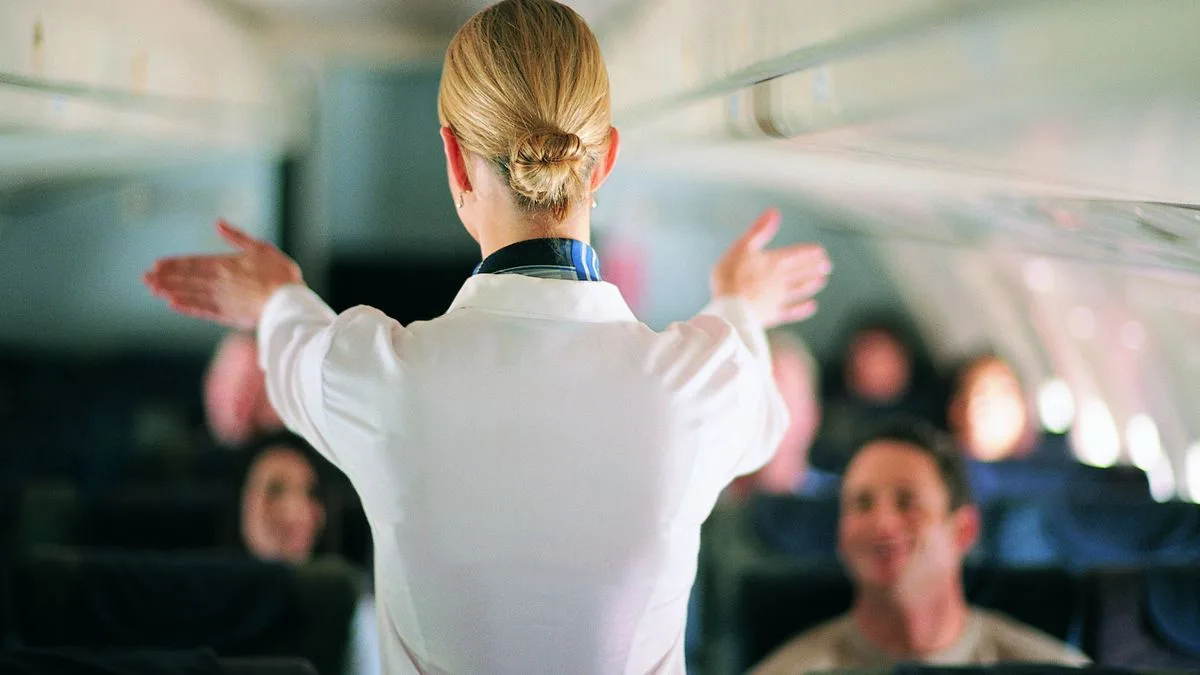
Flight attendants often spend long periods away from home, maintaining a cheerful demeanour with passengers at all times. To support one another and discreetly discuss matters on board, cabin crew have developed a private lexicon that can be overheard during flights.
One such term is 'mermaid', used as a gentle insult for a passenger taking up more room than they should, by spreading themselves and their belongings across multiple seats. Kolin Jones, a pilot and CEO of private aviation firm Amalfi Jets, explained that it describes passengers who are effectively 'manspreading'. If you hear the word nearby, it is worth checking that you are not inadvertently doing the same.
Other coded phrases include 'Code 300' or 'Angel', which alert crew to a medical emergency without causing panic. Jason Martinelli of Cirrus Aviation Services noted that while such terminology may vary between airlines, the aim is to coordinate a response calmly while keeping the cabin environment composed.
Passengers might also hear 'VIP', which stands for 'Very Irritating Passenger', referring to someone who is monopolising crew time. The term 'pan-pan' is used to signal a potential issue with a passenger or a mechanical problem, while 'Squawk 7500' or 'Hotel' are radio codes from the flight deck indicating a possible hijacking, though these are seldom heard in the cabin.
Being aware of these codes can give travellers insight into the hidden communications taking place on board. However, unless you are deliberately causing a disturbance, it is unlikely that you will be the subject of a 'mermaid' comment.




