The Budget Airfare Conundrum: Navigating Dynamic Pricing Strategies
"Unbelievable," exclaims Mark Tiana, a frustrated traveller who booked flights from Luton to Rome four months in advance. "I paid £600 return each for four people, and now, just one week before departure, the same flights are £370!" This scenario represents a growing frustration among air travellers facing the unpredictable nature of modern airfare pricing.
The Reality of Dynamic Pricing in Aviation
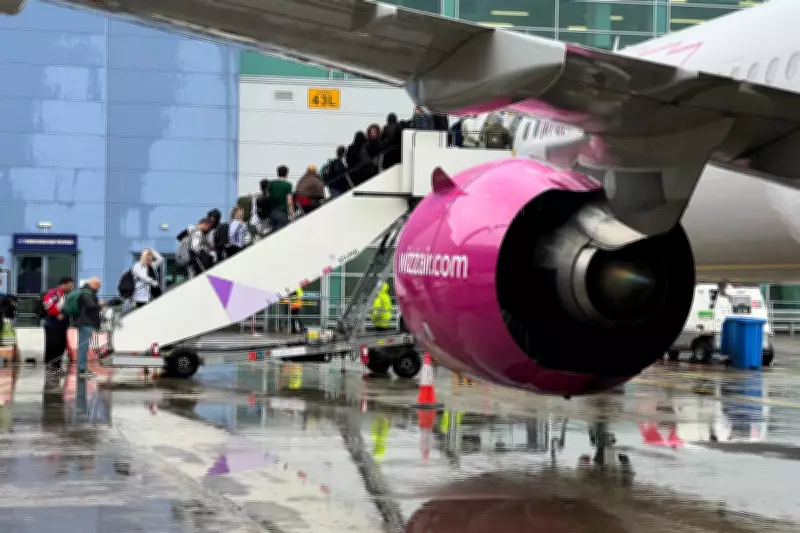
Wizz Air, Europe's third-largest budget carrier after Ryanair and easyJet, employs sophisticated dynamic pricing algorithms that adjust fares based on predicted and actual demand. The fundamental principle is straightforward: each empty seat represents lost revenue once the aircraft departs. Budget airlines have become remarkably proficient at filling over 90 percent of their capacity through strategic pricing approaches.
The typical pricing strategy begins with relatively low introductory fares, gradually increasing as the flight fills. Airlines utilize extensive historical data to predict sales curves, with early bookings sometimes occurring nearly a year in advance at minimal fares. Mark's experience of booking at £300 each way four months before departure represents a middle stage in this pricing continuum, with airlines hoping to push fares even higher as departure approaches.

The Passenger's Dilemma: Timing Your Purchase
The central question for travellers becomes: to buy now or wait for potential price drops? This "Hamlet dilemma" reflects the uncertainty inherent in modern air travel markets. While fare-comparison platforms like Skyscanner provide unprecedented visibility across options, they cannot predict future price movements.
In Mark's case, subsequent sales likely proved sluggish, prompting Wizz Air to reduce fares to fill remaining seats. The airline recently promoted "15 percent off selected flights" for imminent departures, illustrating how last-minute discounts can emerge when demand fails to meet expectations.
Strategic Approaches for Savvy Travellers
Simon Calder, The Independent's travel correspondent since 1994, offers practical advice for navigating this volatile landscape. The golden rule remains: once you've booked at a price you find acceptable, avoid checking fares again and simply anticipate your journey. For those travelling to destinations like Rome during ideal seasons, the experience itself provides value beyond the ticket price.
An alternative strategy involves "active inertia" – monitoring prevailing fares while delaying purchase in anticipation of potential reductions. Calder himself is observing a £186 fare to Greece in early July, hoping for a pre-departure price drop while acknowledging the risk of fares increasing or flights selling out entirely.
The Unpredictable Nature of Airfare Markets
Recent personal experiences illustrate this unpredictability: one advance booking saved a mere £2 compared to current prices, while another flight sold out completely. As Shakespeare observed centuries ago, "Oft expectation fails," a sentiment that resonates powerfully with modern travellers navigating complex pricing systems.
The fundamental challenge remains that while advance booking typically offers better value than last-minute purchases, exceptions like Mark's experience demonstrate how dynamic pricing can sometimes reward procrastination. Travellers must balance their tolerance for risk against their desire for certainty, recognizing that perfect timing remains elusive in an imperfect market.