
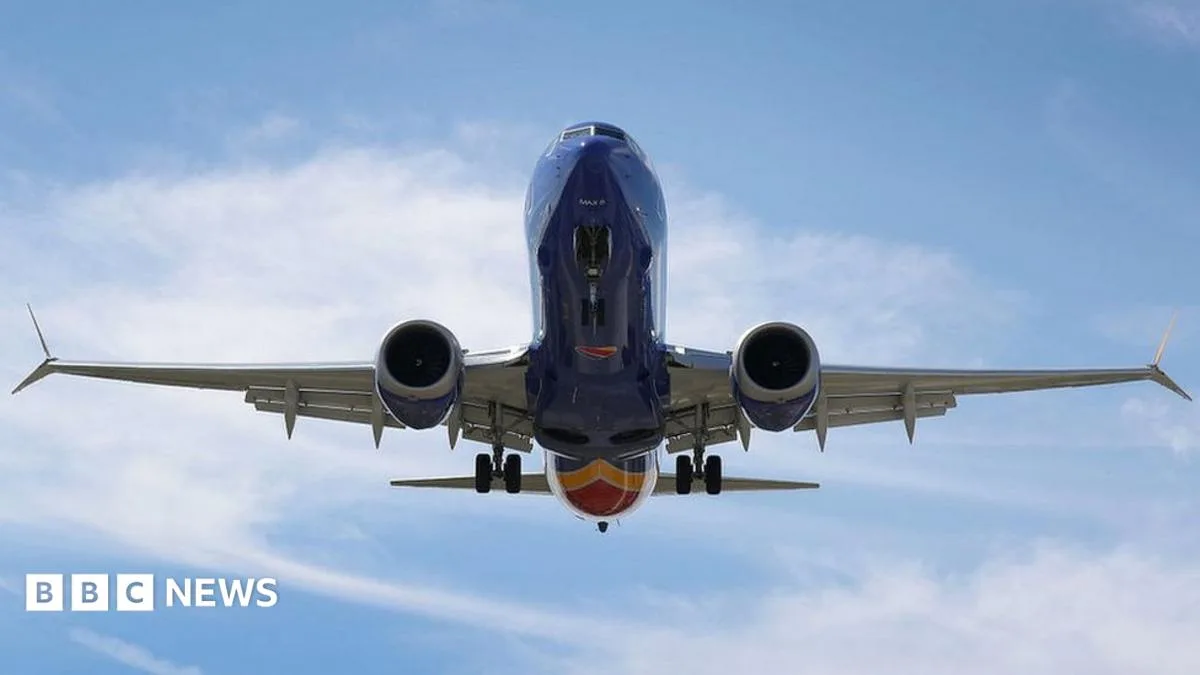
Just over six months after regulators cleared Boeing's 737 Max to fly again, the aircraft is under renewed scrutiny following the discovery of a potential electrical problem. The fault, traced to poor electrical bonding in panel assemblies, has led to the grounding of more than 100 aeroplanes belonging to 24 airlines worldwide, while deliveries of new aircraft have been suspended.
The US Federal Aviation Administration (FAA) issued an Airworthiness Directive on 30 April, stipulating that affected aircraft must be modified before they can resume flights. The agency warned that the flaw could “affect the operation of certain systems, including engine ice protection, and result in loss of critical functions and/or multiple simultaneous flight deck effects, which may prevent continued safe flight and landing”. Boeing and the FAA say they are working closely to address the issue.
Critics, including whistle-blower Ed Pierson, a former senior manager on the 737 production line, argue that the problems indicate the aircraft was allowed back into service prematurely. Pierson claims that the 20-month recertification process focused only on software design and pilot training, ignoring the impact of production standards at the factory in Renton, Washington. He has previously linked alleged production pressures to electrical anomalies, suggesting that wiring defects may have contributed to the erroneous deployment of the MCAS flight control software involved in two fatal crashes that killed 346 people.
While the FAA and Boeing maintain that the current electrical issue is unrelated to MCAS, Pierson insists that the new disclosure reinforces his case. “Yes, MCAS caused the airplanes to pitch down and crash,” he said. “But it was an electrical system malfunction that likely caused the angle of attack sensor to send faulty data to MCAS.” Pilot and commentator Chris Brady described the fault as an “honest mistake” resulting from a minor change in panel attachment methods in early 2019 that was not notified to regulators.




