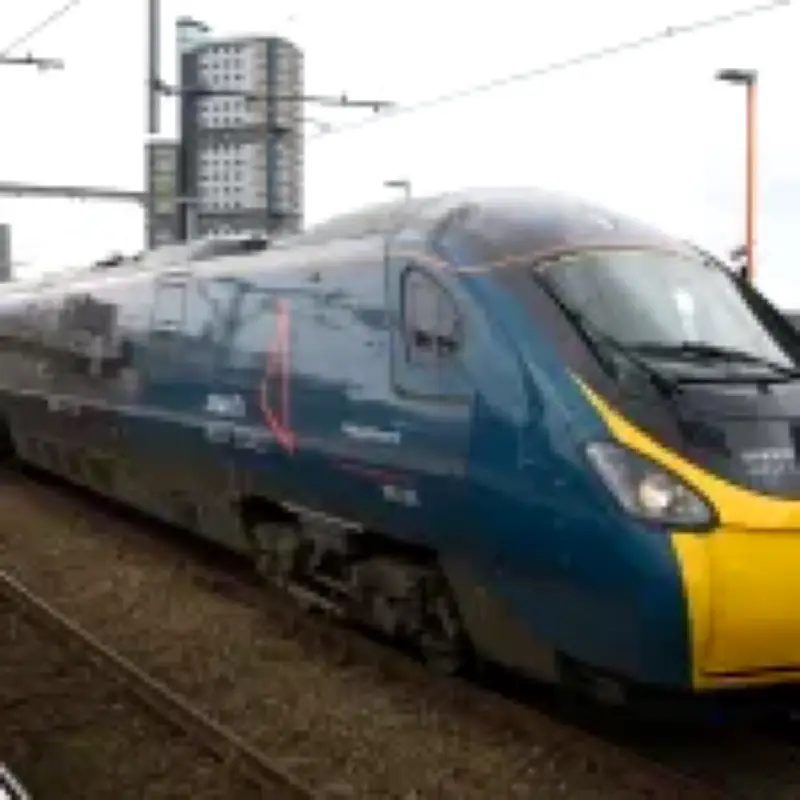
Avanti West Coast has become the latest major train operator to be brought into public ownership, with services set to be nationalised from March 2027 at the earliest, when the existing operating contract expires.
Transport Secretary Heidi Alexander confirmed the news as part of the Labour government’s aim to put ‘essential services back in public hands’ after years of privatisation. All nationalised train services will operate under Great British Railways (GBR), which puts ‘passengers and customers first’ and aims to rebuild consumer trust.
Which rail services are already nationalised?
Labour has so far nationalised six train services, including London Northwestern Railway, West Midlands Railway and Greater Anglia. A further two are set to be nationalised within the next few months.
- South Western Railway: Nationalised May 2025
- c2c: Nationalised July 2025
- Greater Anglia: Nationalised October 2025
- West Midlands Trains: Nationalised February 2026
- Govia Thameslink Railway: Nationalised May 2026
- Chiltern Railways: Nationalised September 2026
- Great Western Railway (GWR): To be nationalised December 2026
- Avanti West Coast: To be nationalised in March 2027
What does nationalisation mean for passengers?
Avanti West Coast is currently privately owned by FirstGroup (70%) and Trenitalia (30%). It runs trains from London Euston to Manchester, Birmingham and Liverpool, with additional lines connecting to Wales, Glasgow and Edinburgh.
Under public ownership, Great British Railways (GBR) will aim to reduce delays and cancellations, while also looking to better the passenger experience and allocating more funding to improve its overall services. For example, £10,000,000 will be spent to improve signalling maintenance, while a further £840,000,000 will be allocated to improve infrastructure problems on the line.
The government has promised ‘faster and more reliable services’, a focus on routes going in and out of Manchester, and a more stable internet connection along the route for improved WiFi and 5G mobile coverage.
What is the reaction to the announcement?
Transport Secretary Heidi Alexander said of the announcement: ‘For years, we’ve heard stories of Avanti underperforming, with passengers left paying the price. Enough is enough. That is why we will bring Avanti into public ownership at the earliest opportunity, in March next year.’
She also highlighted how Avanti’s nationalisation reflects the Labour Government’s commitment to putting ‘essential services back in public hands’.
Prime Minister Andy Burnham said in an X post: ‘For years, people have been expected to put up with Avanti’s cancellations, delays, overcrowding, and a service that has failed them time and time again. More investment, fewer delays, and a renewed focus on getting the basics right. We’re putting essential services back in public hands and building a railway that actually works for the people who use it.’
Andy Mellors, managing director at Avanti West Coast, said: ‘We’re proud of what we’ve achieved over the last six years – from refurbishing our Pendolino fleet and introducing our new Evero trains to running more services than ever before. Together, these improvements have given customers greater choice, more capacity and better connectivity, while we’ve continued to innovate to shape the future of the West Coast and wider rail industry.’
Mellors added: ‘Over the coming months, we’ll work closely with the government to ensure a seamless transition into public ownership while remaining focused on delivering for our customers and communities.’
Avanti’s nationalisation will coincide with a major £50,000,000 upgrade to Euston station over the next three years, which will include more seating, improved waiting areas and refurbished toilets, after the station’s toilets were named the capital’s ‘worst’. The news comes after Avanti West Coast announced in May that one in seven of its rail services would be cut after the government pushed the operator to reduce spending.