Global Aviation Industry Faces Severe Turbulence as Jet Fuel Prices Skyrocket
The global aviation sector is experiencing significant disruption following a dramatic surge in jet fuel prices, driven by escalating tensions in the Middle East. Costs have soared from approximately $85 to $90 per barrel to an alarming range of $150 to $200 per barrel in recent weeks, creating a substantial financial burden for carriers where fuel can account for up to a quarter of operating expenses.
Fatih Birol, head of the International Energy Agency, has issued a stark warning, stating that Europe has only around six weeks of jet fuel supply remaining. He described the situation as potentially "the largest energy crisis we have ever faced," adding that flight cancellations will begin "soon" if the Strait of Hormuz remains closed amid the Iran conflict, which could plunge summer holidays into chaos.
Airlines Worldwide Implement Emergency Measures
In response to this crisis, airlines across the globe are taking drastic measures to mitigate financial losses. These include widespread flight cancellations, capacity reductions, fare increases, and the introduction of new fuel surcharges. Below is an overview of how major carriers are responding to the escalating situation.
Aegean Airlines anticipates that suspended Middle East flights and spiking fuel prices will have a "notable impact" on its first-quarter results.
Air France-KLM plans to increase long-haul ticket prices, with cabin fares rising by 50 euros per round trip. The group's Dutch arm, KLM, announced on April 16 that it would cancel 160 flights in Europe over the coming month due to rising fuel costs.
Air India is revising its fuel surcharge from a flat domestic rate to a distance-based grid, acknowledging that surcharges on international routes do not compensate for the exponential rise in fuel prices.
Air New Zealand announced on April 7 that it would slash flights through May and June while hiking fares. The airline has suspended its full-year earnings forecast due to fuel market volatility.
American Airlines expects a $400 million increase in first-quarter expenses due to fuel prices. The carrier is hiking checked baggage fees by $10 each for the first and second checked bags and by $150 for the third checked bag on domestic and short-haul international flights, while also trimming certain benefits for economy passengers.
Cathay Pacific will cut some flights from mid-May until the end of June, cancelling about 2% of its scheduled passenger flights. Its budget airline HK Express is reducing around 6% of flights. The carrier has already increased its fuel surcharge by 34% across routes from April 1 and will review them every two weeks.
Delta Air Lines is cutting capacity by approximately 3.5 percentage points from its original plan and raising fees for checked bags by $10 on first and second checked bags and $50 on the third. The airline has pulled all planned capacity growth for the current quarter and forecasts profit below Wall Street expectations.
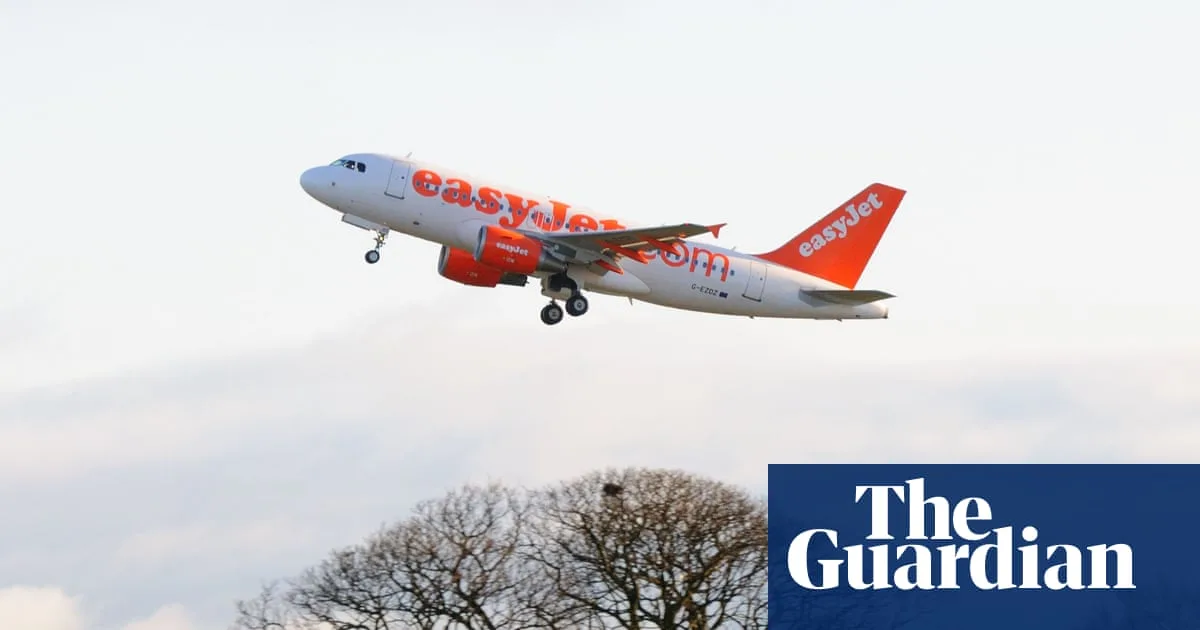
EasyJet warns of a bigger half-year pre-tax loss of between £540 million and £560 million, including £25 million in extra fuel costs in March. CEO Kenton Jarvis stated that European consumers should expect higher ticket prices towards the end of summer when existing fuel hedges expire.
Lufthansa will ground 27 planes servicing its short-haul CityLine subsidiary earlier than planned, citing jet fuel prices and costs from industrial action. The group will also withdraw four older Airbus A340-600 long-haul aircraft at the end of the summer and reduce short and medium-haul offerings by five aircraft in winter 2026/2027.
Qantas Airways has delayed a planned A$150 million buyback and raised its estimated fuel bill for the second half of 2026 to A$3.1 billion to A$3.3 billion, up from a previous A$2.5 billion forecast.
United Airlines is cutting unprofitable flights over the next two quarters as it prepares for oil prices to remain above $100 until the end of 2027. The airline has increased first and second checked bag fees by $10 for customers travelling in the U.S., Mexico, Canada, and Latin America.
Regional Responses Highlight Widespread Impact
The crisis is affecting airlines in diverse regions, with many implementing similar strategies to cope with the financial strain.
In Nigeria, the Airline Operators of Nigeria (AON) temporarily suspended a planned nationwide shutdown of flight operations set to begin on April 20 after government intervention. The suspension is conditional on the outcome of a meeting scheduled for April 22, with airlines urging government agencies to cease requesting upfront payments that exacerbate financial strain.
In South Korea, Korean Air will enter emergency management mode from April, implementing phased response measures based on oil price levels and stepping up company-wide cost efficiency. Asiana Airlines will slash 22 flights between April and July due to the fuel cost increase.
In Hong Kong, Greater Bay Airlines is raising fuel surcharges on most routes from April 1, while Hong Kong Airlines has increased surcharges by up to 35% from March 12, with the sharpest increase on flights to the Maldives, Bangladesh, and Nepal.
In India, Indigo is introducing fuel charges on domestic and international flights from March 14, including a charge of 900 rupees for flights to the Middle East and 2,300 rupees for flights to Europe. The company is also lobbying the Indian government to cut fuel taxes.
Other carriers taking action include AirAsia X, which has cut 10% of flights across the group with a surcharge of about 20% on fuel; Akasa Air in India, introducing a fuel surcharge ranging between 199 and 1,300 Indian rupees; and Virgin Atlantic, which is adding fuel surcharges to fares but still struggles to return to profitability this year.
The situation remains fluid, with airlines continuously reviewing their strategies as fuel prices show no signs of abating. Travelers are advised to expect higher costs and potential disruptions throughout the summer season, as the industry navigates one of its most challenging periods in recent history.