Global Aviation Industry Faces Severe Turbulence as Jet Fuel Prices Skyrocket
The global aviation sector is experiencing significant disruption following a dramatic escalation in jet fuel costs, driven by the intensifying conflict between the US-Israel alliance and Iran. Prices have surged from approximately $85 to $90 per barrel to an alarming range of $150 to $200 per barrel in recent weeks, creating a substantial financial burden for carriers where fuel can account for up to a quarter of operating expenses.
Fatih Birol, head of the International Energy Agency, has issued a stark warning that Europe possesses only around six weeks of jet fuel supply remaining, describing the situation as potentially "the largest energy crisis we have ever faced." He added that flight cancellations will commence "soon" if the Strait of Hormuz remains closed amid the Iran war, potentially plunging summer holiday plans into chaos.
Airlines Implement Drastic Measures Worldwide
In response to this unprecedented crisis, airlines across the globe are implementing a range of measures including flight cancellations, capacity reductions, and substantial fare increases. Below is an alphabetical overview of how major carriers are responding to the jet fuel emergency.
Aegean Airlines anticipates that suspended Middle East flights and soaring fuel prices will have a "notable impact" on its first-quarter financial results.
AirAsia X has reduced flights by 10% across its group operations while implementing a general fuel surcharge of approximately 20%.
Air France-KLM plans to increase long-haul ticket prices by 50 euros per round trip, with KLM cancelling 160 European flights in the coming month.
Air India is revising its fuel surcharge structure from a flat domestic rate to a distance-based grid, acknowledging that international surcharges fail to compensate for exponential fuel price increases.
Airline Operators of Nigeria has warned that Nigerian airlines will suspend all flight operations unless fuel prices are reduced, accusing the country's fuel industry association of artificially inflating prices.
Air New Zealand has slashed flights through May and June while hiking fares, becoming one of the first carriers to announce broad price increases when the conflict erupted.
American Airlines has increased checked baggage fees by $10 for first and second bags and by $150 for third bags on domestic and short-haul international flights, while trimming certain economy passenger benefits.
European and Asian Carriers Face Mounting Pressure
Cathay Pacific is cutting approximately 2% of scheduled passenger flights from mid-May until June, with its budget subsidiary HK Express reducing flights by around 6%. The carrier has already increased fuel surcharges by 34% across routes.
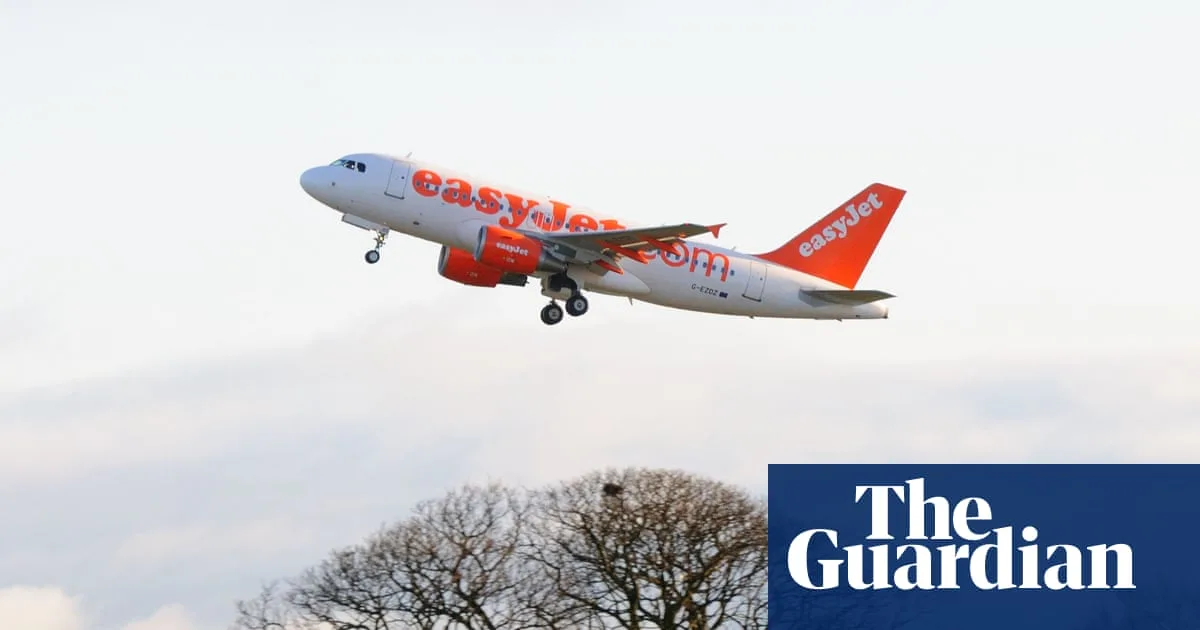
EasyJet warns of a larger half-year pre-tax loss between £540m and £560m, including £25m in extra fuel costs during March alone. CEO Kenton Jarvis has cautioned European consumers to expect higher ticket prices toward summer's end.
Lufthansa will ground 27 planes servicing its short-haul CityLine subsidiary earlier than planned, citing jet fuel prices and industrial action costs. The group will also withdraw four older Airbus A340-600 long-haul aircraft and reduce short and medium-haul offerings.
British Airways-owner IAG stated in March that it does not plan immediate ticket price increases due to substantial fuel hedging for the short to medium term.
North American Airlines Adjust Strategies
Delta Air Lines is cutting capacity by approximately 3.5 percentage points from original plans while raising checked baggage fees by $10 for first and second bags and $50 for third bags. The airline has pulled all planned capacity growth for the current quarter.
United Airlines is reducing unprofitable flights over the next two quarters as it prepares for oil prices to remain above $100 until 2027. The carrier has successfully raised fares without significantly impacting bookings.
Southwest Airlines has increased checked baggage fees by $10 for first and second bags, bringing costs to $45 and $55 respectively.
Budget Carriers and Regional Airlines Struggle
Virgin Atlantic is adding fuel surcharges to fares but acknowledges it will still struggle to return to profitability this year.
Qantas Airways has delayed a planned A$150m buyback while raising its estimated fuel bill for the second half of 2026 to A$3.1bn-A$3.3bn from a previous A$2.5bn forecast.
SAS has cancelled 1,000 flights in April due to high oil and jet fuel prices, following "couple hundred" cancellations in March.
T'Way Air, the South Korean low-cost carrier, plans to furlough some cabin crew without pay in May and June as part of measures to address the war's impact.
The aviation industry faces unprecedented challenges as this fuel crisis continues to evolve, with travel experts warning consumers to prepare for widespread disruption and significantly higher costs throughout the summer travel season.