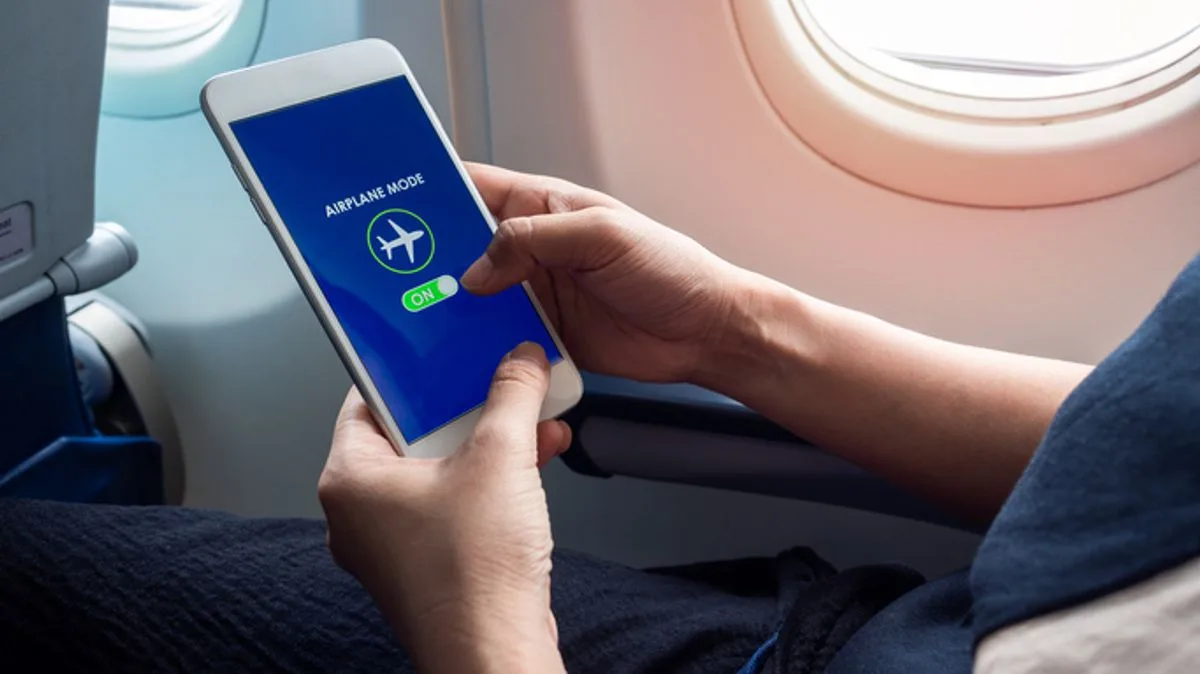
As the travel season approaches, with many preparing for May half-term breaks or summer holidays, staying updated on airline regulations is crucial to ensure a smooth journey. Electronic gadgets, from laptops to phones, are common travel companions, but their handling at security and onboard can often lead to unexpected delays if rules are not followed. This article provides a detailed overview of the gadget policies for major airlines like TUI, easyJet, and Ryanair, helping you pack smart and avoid hassles.
TUI Gadget Regulations
TUI allows passengers to bring gadgets onboard, permitting their use in flight mode throughout the flight unless instructed otherwise by cabin crew. Larger devices, such as laptops, may need to be switched off during take-off and landing. Items without a flight mode must be turned off entirely for the duration of the flight.
Power banks are permitted but cannot be charged or used to charge other devices during the flight. They must have a power rating of up to 100Wh and should be stored securely in a bag, not carried loosely. Importantly, TUI warns that all electronic devices must be fully charged when passing through security, as part of enhanced measures at UK and international airports. Passengers are advised to keep devices like mobile phones switched on until boarding, as additional checks may occur at the departure gate.
Jet2 Policies on Electronic Items
Jet2 permits lithium batteries under 100Wh without prior approval, while those between 100Wh and 160Wh require advance permission for cabin carriage. Similar to TUI, gadgets such as tablets and laptops must be carried in hand luggage and be capable of being switched on at security checks.
Devices with damaged batteries are strictly forbidden. E-cigarettes can be carried onboard but cannot be charged or used during any flight. Additionally, Jet2 limits Personal Electronic Devices (PEDs), including phones and other gadgets, to 15 per passenger.
easyJet Device Restrictions
EasyJet mandates that all devices be in "flight safe" mode during taxi, take-off, inflight, and landing phases, and held securely in hand or pocket. The cabin crew will notify passengers when it is safe to make calls or send texts after landing.
Specific items, such as laptops and large electronic games, must be turned off completely during take-off and landing, not just placed in flight mode. Bluetooth accessories must also be switched off when instructed. The airline restricts power banks to two per passenger, each with a maximum of 100Wh unless prior approval is obtained. All electrical devices must be kept in hand luggage.
British Airways and Ryanair Rules
British Airways limits passengers to two power bank devices per person, which must not be placed in checked luggage. Up to 15 battery-operated Personal Electronic Devices (PEDs) containing lithium batteries, such as laptops, tablets, and cameras, are allowed. Passengers may need to prove battery ratings, so keeping packaging or stickers is advisable. If the watt-hour rating is not visible, the battery cannot be accepted onboard; a formula is provided for calculation.
Ryanair imposes a limit of 15 personal electrical devices and allows up to 20 lithium batteries or power banks, each up to 100Wh. The airline has extensive rules on electrical items, and smart bags with non-removable batteries cannot be placed in the hold. Passengers are encouraged to review these guidelines before heading to the airport.
By familiarising yourself with these airline-specific gadget rules, you can ensure compliance, reduce delays, and enjoy a stress-free travel experience. Always check the latest updates from your airline before departure to stay informed of any changes.