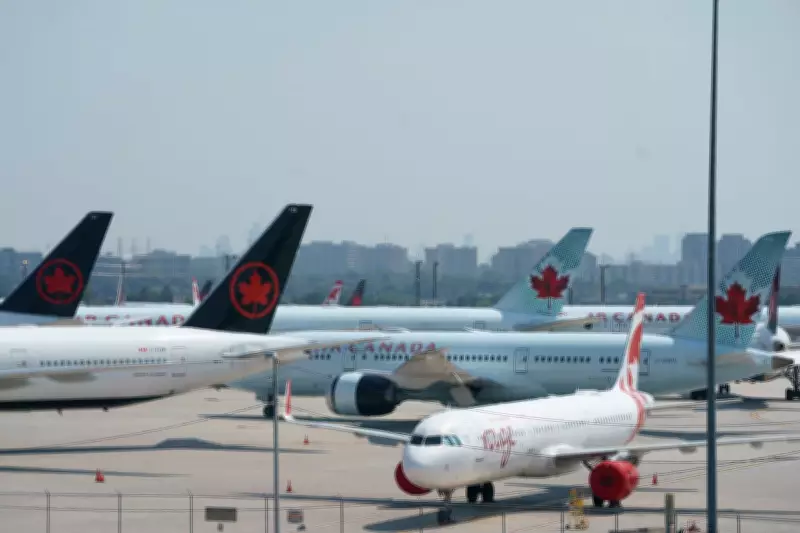
Air Canada has announced a significant suspension of its services to New York's John F. Kennedy International Airport (JFK) this summer, citing severe jet fuel shortages and skyrocketing prices exacerbated by the ongoing conflict in Iran. The Canadian flag carrier confirmed on Friday that flights from Toronto and Montreal to JFK will be halted from June 1, with operations set to resume on October 25.
Impact on Travel Routes and Passenger Options
While services to JFK are paused, Air Canada will continue operating flights to the New York metropolitan area's other major airports, including LaGuardia and Newark. The airline has pledged to proactively contact affected customers to provide alternative travel arrangements, ensuring minimal disruption for those with booked itineraries.
Economic Pressures from Fuel Price Surge
A spokesperson for the Montreal-based airline explained the decision, stating, "As jet fuel prices have doubled since the start of the Iran conflict, certain lower profitability routes and flights are no longer economically viable, prompting us to make these schedule adjustments." According to data from Argus Media, the average price per gallon of jet fuel soared to $4.32 on Thursday, a sharp increase from $2.50 recorded just before the war in Iran erupted.

Broader Industry Challenges and Global Energy Crisis
The suspension by Air Canada reflects wider turmoil in the aviation sector, where fuel and labor costs constitute the largest annual expenses for airlines. In a recent development, Delta Air Lines projected that higher fuel prices would add approximately $2 billion to its second-quarter costs. Other carriers, such as JetBlue and United Airlines, have responded by increasing baggage fees to offset these escalating expenses, while some are scaling back services altogether.
In an exclusive interview with the Associated Press on Thursday, International Energy Agency Director Fatih Birol issued a stark warning, noting that Europe may have only about six weeks of remaining jet fuel supplies. He described the current situation as the "largest energy crisis" facing the global economy, underscoring the severity of the fuel shortages.
Market Fluctuations and Regional Implications
Despite a temporary relief as oil prices dropped more than 10% on Friday following Iran's announcement that the Strait of Hormuz is reopening for commercial tankers, the long-term outlook remains uncertain. This strategic waterway is crucial for transporting oil from the Persian Gulf to international markets, and its closure had previously intensified supply constraints.
The move by Air Canada follows a similar decision by a European carrier, which permanently grounded planes in response to the crisis, highlighting the pervasive impact of the fuel shortage on global aviation. As airlines navigate these challenges, passengers may face higher flight prices and reduced service options, particularly on less profitable routes.