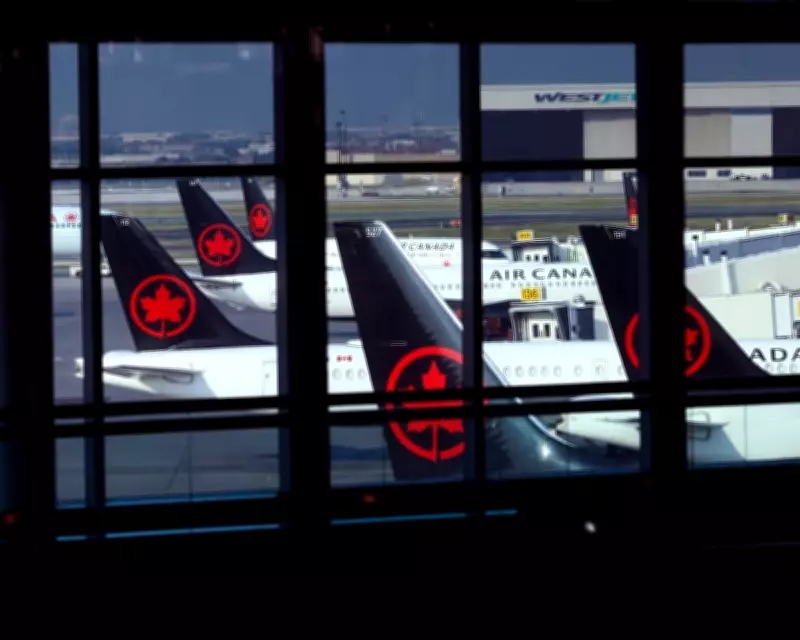
Air Canada Grounds All Cuba Operations as Fuel Crisis Deepens
Air Canada has taken the drastic step of cancelling all flights to Cuba, citing a critical shortage of aviation fuel on the island. This move comes as a direct consequence of the United States' stringent oil blockade against the Caribbean nation, which has severely restricted fuel supplies. The airline, a key operator serving Cuba, has initiated efforts to repatriate approximately 3,000 affected customers, highlighting the immediate disruption to travel plans.
International Airlines Face Widespread Disruptions
The fuel crisis has reverberated across the global aviation industry, impacting carriers from diverse regions including Russia, China, Turkey, France, and Spain. This rapid escalation stems from Washington's aggressive policy aimed at pressuring Cuba's government, with figures from Donald Trump's administration advocating for regime change. The US has intensified its stance by threatening increased tariffs on any country attempting to supply oil to Cuba, labelling the island's government a national security threat.
In response, Mexico's President Claudia Sheinbaum condemned the US policy as "very unjust," emphasising that "you can't strangle a nation in this way." Mexico has dispatched 800 tons of humanitarian aid and is pursuing diplomatic avenues to facilitate oil shipments, though specifics remain unclear. The severity of the fuel shortage became apparent late on Sunday when airlines received a Notice to Aviation (NOTAM) indicating restricted supplies until at least 11 March, contradicting earlier assurances from Cuban authorities about maintaining international flights.

Tourism and Economic Fallout for Cuba
Cuba's tourism sector, a vital source of hard currency, faces significant strain. At its peak, tourism generated over $3 billion annually, but estimates now suggest a drastic decline to below $1 billion. The aviation fuel crisis represents the first tangible effect of the US blockade, threatening one of Cuba's largest foreign exchange earners. Cuban authorities have begun consolidating tourists into fewer hotels to conserve energy, as reported by Canadian visitors Vicky Volonik and Mark Harrington, who noted widespread concern for local workers' livelihoods.
Despite the challenges, some airlines are adapting with contingency measures. Air Europa, for instance, plans to refuel in the Dominican Republic on flights from Madrid, while Air Transat intends to continue operations with technical stops as needed. In Russia, Aeroflot's subsidiary Rossiya will adjust routes for refuelling, though logistics for the already lengthy flights remain uncertain. Approximately 4,500 Russian tourists, many state employees, are currently in Cuba, with disruptions causing complaints in Moscow about alternative destinations.
Local Impact and Resilience in Cuba
On the ground, the fuel crisis is altering daily life in Cuba. Gas stations have closed nationwide, leading to fewer cars on roads and a new app-based system for fuel allocation that has proven difficult for many. Cubans without transport are resorting to flagging down scarce drivers, while tourists like a British couple in Trinidad express frustration, praising Cuba's beauty but condemning US "economic terrorism." Tour guide Yekaterina Gulbina reports that conditions for tourists in hotels remain manageable, with electricity and taxis still available.
Travel agencies such as Cuba Private Travel are contacting clients about potential postponements, though those already on the island are largely unaffected. The situation underscores Cuba's ongoing economic struggles, with residents now grappling with fuel scarcity amidst broader survival challenges. As international diplomacy unfolds, the resilience of the Cuban people and the future of tourism hang in the balance, with the US blockade casting a long shadow over the island's prospects.