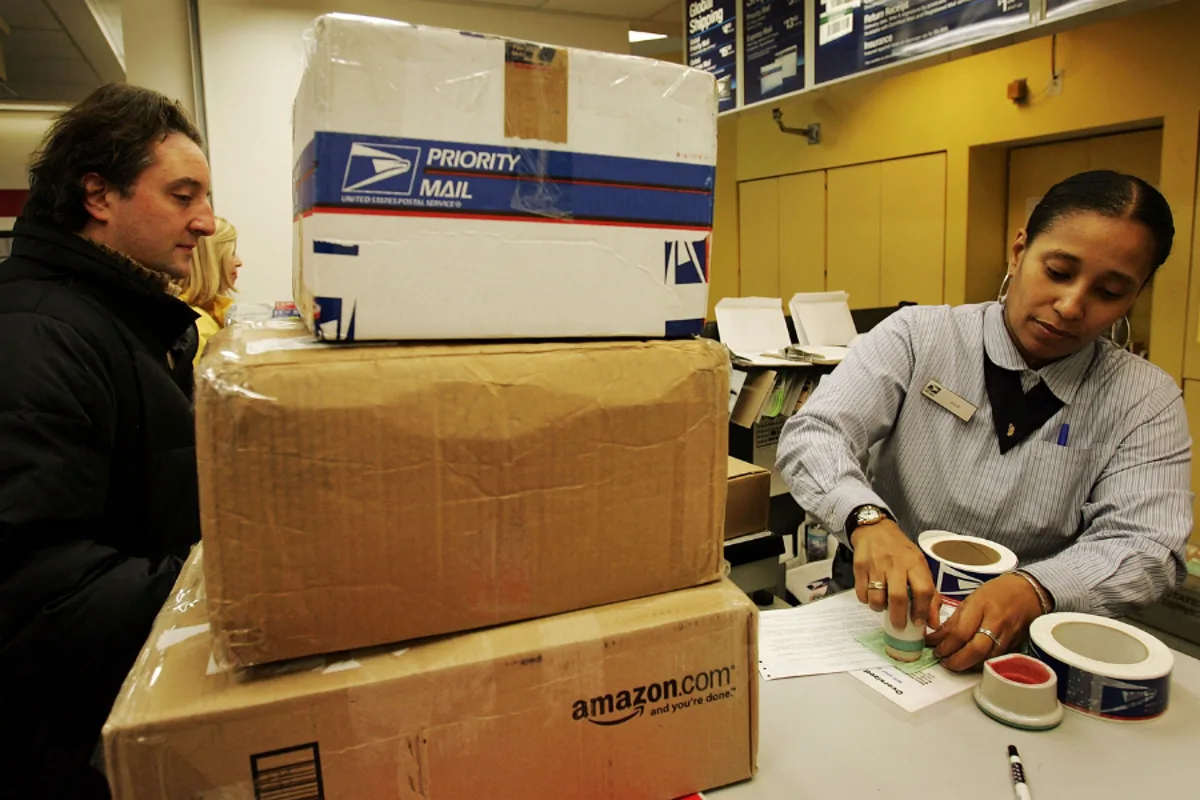
USPS Implements First-Ever 8% Fuel Surcharge on Packages Amid Rising Costs
USPS Adds 8% Fuel Surcharge on Packages for First Time

USPS Announces Historic 8% Fuel Surcharge on Package Deliveries

The United States Postal Service (USPS) is set to implement its first-ever fuel surcharge on package deliveries, introducing an 8 percent increase to offset escalating transportation costs. This landmark move, approved by the USPS Board of Governors on Tuesday, represents a significant shift in pricing strategy for the federal agency.

Details of the New Surcharge and Pricing Adjustments

The 8 percent surcharge will apply specifically to Priority Mail Express, Priority Mail, USPS Ground Advantage, and Parcel Select services. According to official documentation released Wednesday, this time-limited price adjustment is scheduled to take effect on April 26, 2026, and will remain in place until January 17, 2027, when USPS plans to reassess its long-term pricing approach.

Important exemptions include letter mail and other products such as First-Class Stamps, which will not be affected by this change. For context, the current shipping price for a medium Priority Mail flat-rate box stands at $22.95, but will increase to $24.80 once the surcharge is implemented. Meanwhile, regular mail under one ounce using a first-class stamp will maintain its current price of $0.78.

Wide Pickt banner — collaborative shopping lists app for Telegram, phone mockup with grocery list

Industry Context and Rising Fuel Costs

While this development marks a first for USPS, fuel surcharges have long been standard practice among private shipping carriers. Both FedEx and UPS regularly implement such fees, with recent increases attributed to climbing oil prices driven by ongoing tensions in the Middle East.

Transportation costs have surged dramatically, with diesel prices reaching $5.38 per gallon this week—a staggering 51 percent increase compared to the same period last year. This substantial rise places considerable strain on delivery networks that rely heavily on fuel-dependent transportation.

"Transportation costs have been increasing, and our competitors have reacted with a number of surcharges," stated a USPS news release. "We have steadfastly avoided surcharges and this charge is less than one-third of what our competitors charge for fuel alone, so even with this change, the Postal Service continues to offer great value in shipping with some of the lowest rates in the industrialized world."

Financial Challenges and Regulatory Environment

The surcharge proposal emerges as USPS confronts persistent financial difficulties. Newly appointed Postmaster General David Steiner recently warned lawmakers that the agency could exhaust its funds within a year without substantial operational changes. He has urged Congress to consider relaxing regulatory restrictions that currently limit the Postal Service's ability to adjust pricing.

In addition to the package surcharge, USPS is seeking approval to increase stamp prices from 78 cents to between 90 and 95 cents, which would represent the eighth such increase since 2021.

Structural Pressures and Universal Service Obligations

A primary contributor to USPS's financial strain is its universal service obligation, which mandates deliveries to more than 170 million addresses across the United States six days per week. This requirement creates significant operational challenges, with approximately 71 percent of delivery routes reportedly operating at a loss and about three in five post offices failing to cover their operating costs.

The Postal Service emphasizes that this temporary pricing adjustment aligns with industry standards while supporting its ability to maintain nationwide service delivery in a financially sustainable manner. As stated in their release: "The time-limited price change is consistent with industry practices and will support the Postal Service's ability to continue achieving its public service mission, providing a nationwide, integrated network for the delivery of mail and packages at least six days a week, in a cost-effective and financially sustainable manner over the long term, just as the U.S. Congress has intended."

Pickt after-article banner — collaborative shopping lists app with family illustration

This development occurs alongside recent Supreme Court rulings regarding USPS exemptions from undelivered mail lawsuits, further highlighting the complex regulatory landscape surrounding postal operations. As fuel prices continue to fluctuate amid global tensions, shipping consumers and businesses nationwide will need to account for these additional costs when planning their delivery needs through 2027.




