

The United States is actively encouraging other nations to endorse a "trade over aid" initiative at the United Nations, marking a significant shift in the Trump administration's approach to global development. This move prioritises private investment over traditional donor-focused assistance, as part of a broader strategy to reform international aid processes.
Diplomatic Push for Pro-Business Reforms
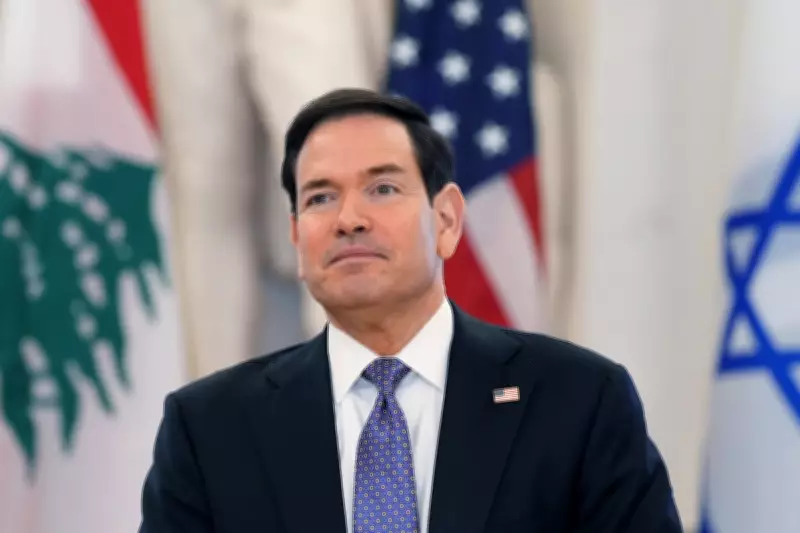
According to a diplomatic cable obtained by The Associated Press, Secretary of State Marco Rubio has directed all US diplomats to deliver a call to action to high-level foreign officials, urging them to sign on in support of the initiative by Monday. The "Trade Over Aid Initiative" aims to encourage UN member states to implement pro-business reforms by facilitating dialogues between governments, the private sector, and international organisations.
The proposal advocates for free market policies to attract foreign trade, including limited regulation, low taxation, diverse energy sources, private property rights, contract sanctity, and a trusted judiciary. Tommy Pigott, a State Department spokesman, emphasised that "trade and free market capitalism is the surest path to prosperity," arguing that those supporting "aid not trade" are effectively promoting a corrupt NGO industrial complex.

UN Concerns and Global Implications
While signing the proposal is nonbinding and does not mandate changes to national laws, it reflects shifting global opinions on aid as powerful countries like the US and the UK reduce humanitarian funding and increase defence spending. The UN and other international organisations view this move as a further abandonment of the aid system during a period of escalating global conflicts, raising concerns about potential exploitation by for-profit companies.
UN spokesperson Stephane Dujarric stated that the UN remains committed to its sustainable development agenda by 2030, which includes goals such as ending poverty, achieving gender equality, and addressing climate change. He noted that while trade and private sector engagement can drive inclusive growth, they should not replace international development cooperation or principled humanitarian assistance.
Criticism and Historical Context
Eric Pelofsky, a former State Department official under the Obama and Bush administrations, criticised the initiative, stating that it betrays American traditions and values by prioritising corporate enrichment over humanitarian aid. He argued that Americans historically help those in need rather than seeking profit from suffering.
This initiative aligns with the Trump administration's pattern of withdrawing from global cooperation organisations over the past year. Since taking office in January 2025, the administration has suspended support for agencies like the World Health Organization, the UN Human Rights Council, and UNESCO. It has also dismantled the US Agency for International Development, adopting a selective approach to UN dues based on alignment with Trump's agenda.
In December, US officials announced a $2 billion pledge for UN humanitarian aid, a reduced amount compared to past contributions but framed as maintaining America's status as the world's largest humanitarian donor. The initiative builds on earlier reports by Devex and The Washington Post, highlighting ongoing tensions between trade-focused policies and traditional aid frameworks.






