

US-Iran Talks Collapse Sparks Fears of Prolonged Energy Shock
The failure of the United States and Iran to reach a peace deal after extensive negotiations has put global markets on high alert for further increases in oil and gas prices. With numerous oil tankers stranded in the Gulf, the breakdown in talks is expected to exacerbate inflationary pressures and drive up borrowing costs worldwide.
Vance Blames Nuclear Programme as Talks Falter
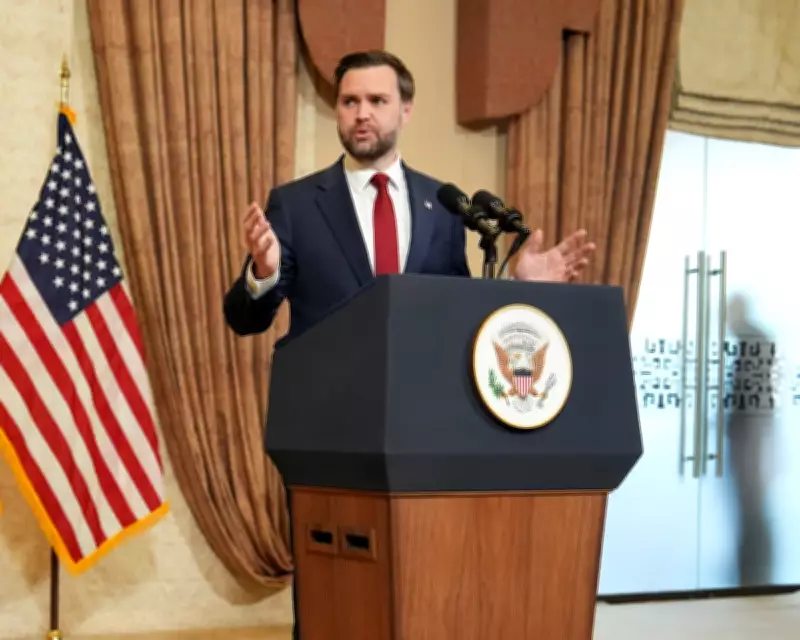
US Vice-President JD Vance, who briefed the media on Sunday after 21 hours of discussions with Iranian officials in Islamabad, attributed the collapse to Tehran's refusal to abandon its nuclear weapons programme. Iranian sources countered by criticising what they termed "excessive" demands from Washington. Vance emphasised that his team had been unequivocal about its red lines, as hopes for a swift end to the conflict, which began with US and Israeli airstrikes on Tehran on 28 February, dwindled.
Governments are increasingly concerned about the long-term impact of rising inflation, triggered by a surge in oil and gas prices. Central banks have signalled that earlier expectations of interest rate cuts may need to be reassessed. In Ireland, social unrest erupted last week and continued over the weekend, with protesters taking to the streets of Dublin to voice anger over the escalating cost of living.

Financial Markets Brace for Turbulence
Mohamed El-Erian, an adviser to German insurer Allianz and former president of Queens' College, University of Cambridge, warned that uncertainty would continue to dominate financial assessments of the war's impact. He noted that while both sides acknowledged a quick agreement was unlikely, neither provided clear next steps, leaving the global community anxious, especially as Israel's attacks on Lebanon persisted over the weekend.
El-Erian added, "Absent a swift resumption of negotiations, financial markets are likely to react by pushing oil prices and borrowing costs higher when trading resumes. The extent of any stock market sell-off will hinge on whether investors perceive a viable diplomatic path forward. For the UK, this translates into further pressure on the cost of living and reduced flexibility in fiscal and monetary policy responses."
Regional Tensions and Economic Fallout
Over the weekend, Israel continued strikes in southern Lebanon, following condemnation of attacks on Beirut that killed hundreds of civilians. The week had begun with former US President Donald Trump's stark threat to Iran, warning of devastating consequences, but he retreated after a two-week truce was hastily brokered by Pakistan, including the reopening of the Strait of Hormuz.
Oil prices experienced significant volatility, dropping below $100 a barrel mid-week amid relief over the truce. Brent crude ended the week at $94.26 per barrel, down from a war-time peak of $119.45, while West Texas Intermediate crude closed at $95.63. Global stock markets showed a rebound after the ceasefire announcement, with the S&P 500 nearly returning to pre-conflict levels.
Saudi Arabia attempted to mitigate potential oil price hikes by announcing the restoration of its east-west pipeline and other facilities damaged in Iranian attacks, which had caused a loss of approximately 700,000 barrels per day in pumping capacity.
Long-Term Economic Disruptions Forecast
Wei Yao, an economist at Societé Générale, commented, "Even if the ceasefire unravels, the near-term outlook likely involves messy non-compliance and low-level retaliation rather than immediate full-scale escalation. For the global economy, this means persistent disruptions, with oil and liquefied natural gas flows normalising only gradually."
The war's economic repercussions will be a central topic at the International Monetary Fund and World Bank's spring meetings in Washington, starting Monday. IMF Managing Director Kristalina Georgieva has indicated that the fund will present three scenarios, all predicting lower economic growth and higher inflation, with a focus on impacts on vulnerable economies.






