
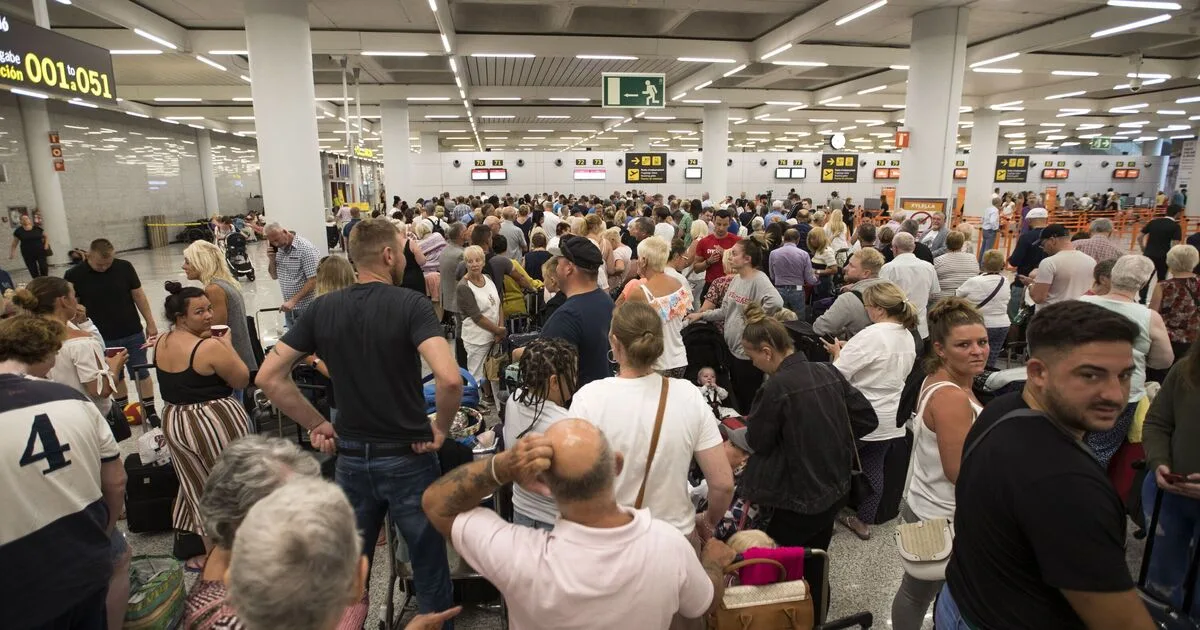
The European Union's new Entry/Exit System (EES) is now fully operational in Schengen Area countries including Spain, Portugal, and Greece, requiring British tourists to provide biometric data such as fingerprints and facial scans. While aimed at streamlining border controls, the system has led to lengthy queues, with some travellers missing return flights due to delays.
Greece had initially attempted to temporarily pause biometric checks for UK tourists, but the Greek Foreign Ministry has confirmed it is now fully implementing the EES this summer. The system replaces manual passport stamping for non-EU citizens entering the Schengen Area for short stays.
The Foreign, Commonwealth & Development Office (FCDO) has issued updated travel advice, warning passengers to allow extra time at borders. It notes that children aged 11 or under will not have fingerprints taken but may be photographed. Travellers do not need to take action before arrival but should expect longer waits.
The travel industry has criticised the rollout. Mark Tanzer, chief executive of ABTA, urged border authorities to develop robust plans for peak periods, stating: “What is frustrating is that border authorities have it within their power to ease queues and deal with issues as they arise – but that doesn't seem to be happening across the board.”




