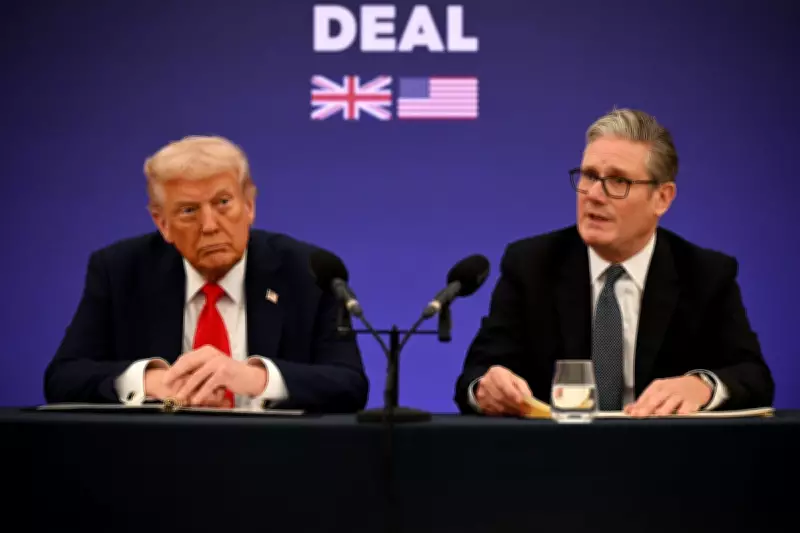
UK Confident in Maintaining Privileged US Trade Status After Tariffs Overturned
Ministers have expressed confidence that the United Kingdom's privileged trading position with the United States will persist following a landmark decision by the US Supreme Court to strike down former President Donald Trump's reciprocal tariffs. The ruling, delivered on Friday 20 February 2026, represents a significant setback to Mr Trump's economic agenda, overturning tariffs imposed on most of the world last April under emergency powers legislation.
Impact on UK Trade Deals
The UK had previously secured the lowest tariff rate of 10% under Mr Trump's policy, with subsequent negotiations led by Sir Keir Starmer and the former president resulting in further exemptions for Britain's steel industry and car manufacturers. However, Friday's judicial decision has raised uncertainties regarding the continuity of these arrangements.
Officials, however, are understood to believe that the ruling will not substantially affect the majority of UK-US trade, including preferential agreements covering steel, automobiles, and pharmaceuticals. A Government spokesman emphasised the ongoing collaboration with US authorities, stating: "This is a matter for the US to determine but we will continue to support UK businesses as further details are announced."

Government Response and Future Outlook
The spokesman further highlighted the UK's advantageous position, noting: "The UK enjoys the lowest reciprocal tariffs globally, and under any scenario we expect our privileged trading position with the US to continue." The Government has committed to working closely with the US Administration to assess how the Supreme Court's decision will influence tariff structures for the UK and other nations.
This development underscores the complexities of international trade relations and the importance of legal frameworks in shaping economic policies. As details emerge, the UK remains poised to adapt its strategies to safeguard its commercial interests and maintain its competitive edge in transatlantic trade.