

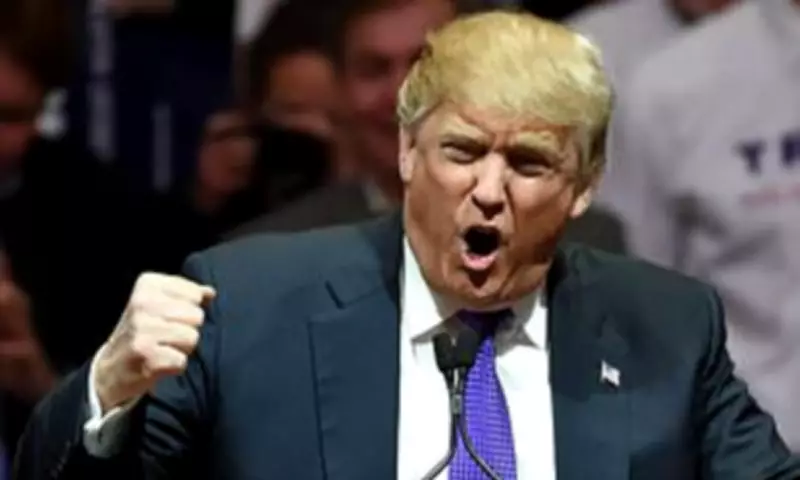
Trump Imposes Sweeping 100% Tariff on Pharmaceutical Imports
In a significant move affecting global trade, US President Donald Trump has announced the imposition of a 100 per cent tariff on all pharmaceutical imports into the United States. This aggressive policy is poised to have immediate and substantial repercussions for international exporters, with Australia standing out as a key nation in the crosshairs.
Australia's Pharmaceutical Sector Braces for Impact
Australia's pharmaceutical exports to the United States are valued at approximately $1.6 billion annually, making this tariff a direct threat to a vital segment of the country's economy. The sudden imposition of such a high tariff rate could disrupt supply chains, increase costs for American consumers, and potentially lead to retaliatory measures from affected trading partners.
Industry analysts warn that the move may force Australian pharmaceutical companies to reconsider their market strategies, with some potentially facing severe financial strain if they cannot absorb or pass on the increased costs.

Incentive for Relocation: Tariff Reduction to 20%
President Trump has outlined a conditional aspect to the new tariff regime. Pharmaceutical companies that choose to relocate their manufacturing and operational bases to the United States will see their tariff rate reduced significantly, from 100 per cent down to 20 per cent.
This incentive is clearly designed to encourage the reshoring of pharmaceutical production, aligning with Trump's broader 'America First' economic agenda. The policy aims to boost domestic manufacturing, create jobs within the US, and reduce dependency on foreign pharmaceutical supplies.
Broader Implications for Global Trade and Health Sectors
The decision raises critical questions about the future of international pharmaceutical trade and could set a precedent for other sectors. Key considerations include:
- The potential for increased drug prices in the US due to reduced import competition.
- Possible shifts in global pharmaceutical manufacturing hubs as companies weigh relocation incentives.
- Strain on diplomatic relations between the US and key allies like Australia, which may view the tariffs as an unfair trade barrier.
- Impacts on global health initiatives, as trade disruptions could affect the availability of essential medicines.
As the situation develops, stakeholders from government bodies to pharmaceutical firms are closely monitoring the implementation and response. Further details on enforcement, exemptions, and international reactions are expected to emerge in the coming days, shaping the narrative around this pivotal trade policy shift.






