Trump Imposes 10% Global Tariff Following Supreme Court Setback
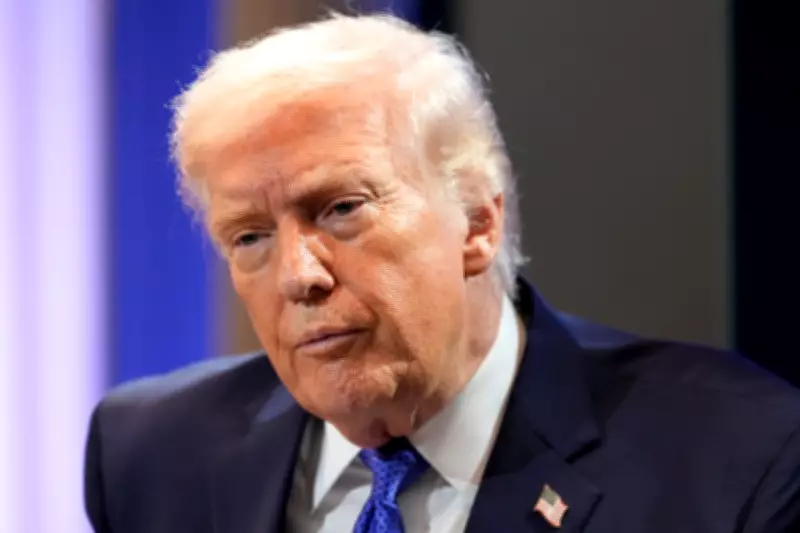
US President Donald Trump has declared a sweeping 10% tariff on all countries, set to take effect "almost immediately", after the Supreme Court overturned his previous reciprocal tariffs policy. The court's decision, delivered on Friday by a 6-3 majority, ruled that a 1977 law did not grant Mr Trump authority to impose tariffs without Congressional approval, dealing a significant blow to his economic agenda.
Supreme Court Overturns Reciprocal Tariffs
Mr Trump's "reciprocal tariffs", which were implemented last April under an emergency powers law targeting most nations, were invalidated by the Supreme Court. In response, the president doubled down, accusing the court of being "swayed by foreign interests" and warning that other countries celebrating the ruling "won't be dancing for long." He asserted that the decision actually affirmed his ability to levy tariffs under different statutes, such as Section 232 and Section 301 authorities.
New Global Tariff and Its Implications
Posting on Truth Social shortly before midnight UK time, Mr Trump announced: "It is my Great Honor to have just signed, from the Oval Office, a Global 10% Tariff on all Countries, which will be effective almost immediately." He clarified that this tariff, imposed under Section 122, would be in place for approximately five months, during which investigations into unfair trading practices would be conducted. The US has collected over $133 billion (£98.4 billion) from the previous tariffs, but now faces potential refunds to importers.

UK Trade Position and Uncertainty
In the UK, ministers expressed confidence that the country's "privileged trading position with the US" would persist. The UK had previously secured the lowest tariff rate of 10%, with additional carve-outs for its steel industry and car manufacturers under a deal negotiated by Sir Keir Starmer and Mr Trump. However, Friday's ruling casts doubt on whether these agreements remain valid. A Government spokesperson stated: "This is a matter for the US to determine but we will continue to support UK businesses as further details are announced." The statement omitted an earlier reference to the UK enjoying "the lowest reciprocal tariffs globally."
Business and Political Reactions
Mr Trump indicated that some trade deals negotiated after his reciprocal tariffs "will no longer be valid," though many would stand and be replaced with other tariffs. The British Chambers of Commerce (BCC) noted that the decision did little to "clear the murky waters for business" around US tariffs. William Bain, head of trade policy at the BCC, emphasized the need for the UK Government to continue negotiating on issues like steel and aluminium tariffs. Meanwhile, campaign group Best for Britain warned that the ruling "underlines the instability of doing deals with Trump's USA" and highlighted the importance of strengthening trade ties with EU neighbours.
The new global tariff policy marks a swift and contentious shift in US trade strategy, with far-reaching implications for international commerce and diplomatic relations.