

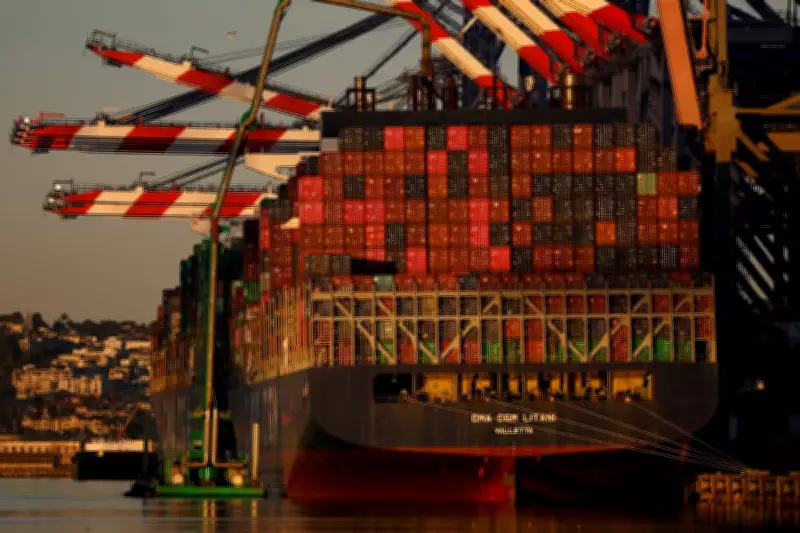
Trump Administration Suspends Century-Old Jones Act for 60 Days Amid Iran War Crisis
In a significant move to address escalating oil prices and cargo disruptions, the Trump administration has announced a temporary 60-day waiver of the Jones Act, a maritime shipping law dating back to 1920. This decision comes as the Iran war continues to strain global energy markets, with the Strait of Hormuz choke leading to shortages and price spikes worldwide.
What Is the Jones Act and Why Is It Being Waived?
The Jones Act, officially known as the Merchant Marine Act of 1920, was enacted to protect the American shipping sector by requiring that goods transported between U.S. ports be carried on U.S.-flagged vessels built in the United States and owned by Americans, with U.S. crews. Originally passed to rebuild the merchant fleet after World War I, it has long been criticized for increasing costs and slowing deliveries, particularly in states like Hawaii and Puerto Rico.
White House press secretary Karoline Leavitt stated that the waiver aims to "mitigate the short-term disruptions to the oil market" during the Iran war, allowing resources such as oil, natural gas, fertilizer, and coal to flow more freely to U.S. ports. The law can be waived in the interest of national defense, a provision now invoked amid the conflict.

Impact on Oil Prices and Global Supply Chains
Since the onset of the Iran war, oil prices have surged dramatically, with Brent crude trading at nearly $109 a barrel, up from around $70 pre-war, and U.S. crude at about $98 a barrel. The national average for regular gasoline has jumped to $3.84 per gallon, an increase of 86 cents, driven by halted tanker movements in the Strait of Hormuz and production cuts across the Middle East.
The suspension of Jones Act requirements is expected to expand transportation options by permitting foreign-flagged vessels in domestic trade, potentially offering modest relief. However, analysts caution that this is not a comprehensive solution. The Center for American Progress estimates a mere 3-cent decrease in East Coast gas prices, with possible cost increases on the Gulf Coast, while sidelining American shipbuilders and workers.
Broader Efforts to Stabilize Energy Markets
In tandem with the Jones Act waiver, the Trump administration is pursuing multiple strategies to boost oil supply. The Treasury Department has eased sanctions to allow U.S. companies to engage with Venezuela's state-owned oil and gas company, and temporary exemptions have been granted for Russian oil under U.S. sanctions. Additionally, the International Energy Agency has pledged to release 400 million barrels from member nations' stockpiles, with the U.S. contributing 172 million barrels from its Strategic Petroleum Reserve over 120 days.
Despite these measures, experts warn that relief may be short-term, as refineries purchase crude oil in advance and new supply takes time to reach consumers. The ongoing war could further exacerbate price pressures if it persists.
Long-Term Implications and Criticisms
While the Jones Act waiver addresses immediate crises, it reignites debates over the law's efficacy. Proponents argue it safeguards national security and supports American industries, but opponents highlight its role in inflating costs and hindering efficient trade. The U.S., though a net oil exporter, remains vulnerable to global spikes due to its reliance on imports of heavier crude for coastal refineries.
This temporary suspension underscores the complex interplay between protectionist policies and economic realities during geopolitical turmoil, with the Trump administration balancing short-term market needs against long-term industrial interests.






