

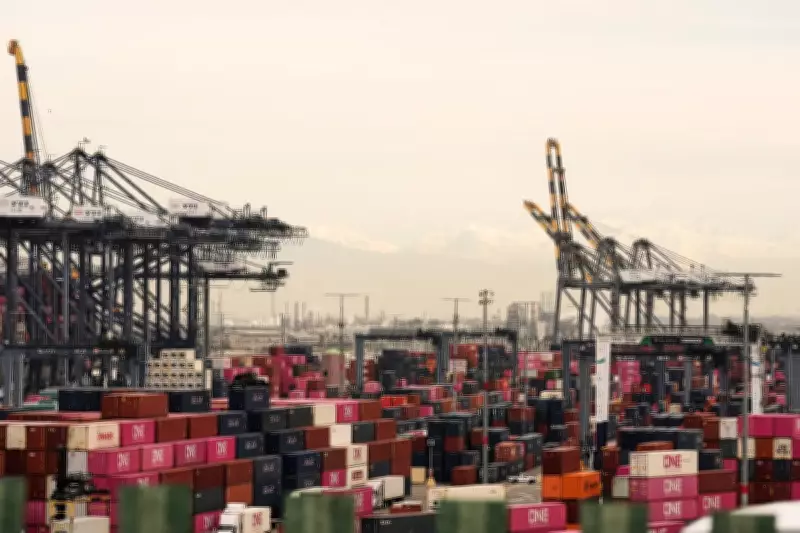
As the ongoing military conflict between the United States, Israel, and Iran continues to severely disrupt global energy markets and international supply chains, the Trump administration has announced a significant temporary suspension of maritime shipping regulations under the century-old Jones Act.
Understanding the Jones Act and Its Temporary Waiver
The Jones Act, formally known as the Merchant Marine Act of 1920, mandates that all cargo transported between American ports must be carried on vessels that are U.S.-flagged, U.S.-built, American-owned, and crewed by U.S. citizens. Enacted in the aftermath of World War I to revitalise the domestic shipping industry after German submarine attacks, this legislation has long been a cornerstone of national maritime policy.
However, the law has frequently faced criticism for increasing transportation costs and slowing the delivery of essential goods, particularly during emergencies. On Wednesday, the White House confirmed it would waive these requirements for a period of sixty days, citing the urgent need to address soaring oil prices and widespread cargo disruptions stemming from the war with Iran.

Rationale Behind the Suspension
Oil prices have experienced dramatic volatility since the outbreak of hostilities, with Brent crude trading at nearly $109 per barrel, a sharp increase from approximately $70 before the conflict began. U.S. crude prices have similarly surged to around $98 per barrel. The national average for regular gasoline has climbed to $3.84 per gallon, marking an increase of about 86 cents since the war started.
These price hikes are largely attributed to the near-total halt of tanker movements through the critical Strait of Hormuz, leading to production cuts across Middle Eastern oil fields. Commercial vessels transporting everything from pharmaceuticals to computer chips have also been delayed or targeted, exacerbating global supply chain pressures.
White House Press Secretary Karoline Leavitt stated that the Jones Act waiver is designed to "mitigate the short-term disruptions to the oil market" and facilitate the free flow of vital resources such as oil, natural gas, fertilizer, and coal to American ports. President Trump himself has labelled the act as "restrictive" in the current crisis context.
Potential Impact on Gas Prices and Domestic Industry
While opening domestic shipping routes to foreign-flagged vessels may provide some relief by expanding transportation options, analysts caution that it is not a comprehensive solution. The Center for American Progress estimates that waiving the Jones Act could reduce East Coast gasoline prices by a modest three cents per gallon, but might simultaneously increase costs on the Gulf Coast.
The policy think tank also warned that such a move could sideline American shipbuilders and maritime workers, while allowing the oil industry to benefit from reduced transport costs amid high prices. The waiver authority, which can be invoked in the "interest of national defense" by the Department of Homeland Security or the Department of Defense, underscores the administration's focus on immediate economic stabilisation over long-term domestic industry protection.
Broader Efforts to Stabilise Energy Markets
Concurrent with the Jones Act suspension, the U.S. Treasury Department has eased sanctions to permit American companies to engage in business with Venezuela's state-owned oil and gas company. The Trump administration has also announced temporary exemptions for Russian oil from U.S. sanctions.
Furthermore, the International Energy Agency has committed to releasing 400 million barrels of oil from its member nations' strategic reserves, the largest emergency drawdown in the organisation's history. The United States will contribute 172 million barrels from its Strategic Petroleum Reserve over 120 days as part of this coordinated effort.
Despite these measures, experts emphasise that they represent only a short-term bridge. Refineries typically purchase crude oil well in advance, and new supply takes time to reach consumers. The persistence of elevated prices remains likely if the conflict prolongs, highlighting the interconnected nature of global oil markets where even net exporters like the U.S. remain vulnerable to international price spikes.






